

Wind‑Solar Overtakes Gas as Data Centers Battle Water Use

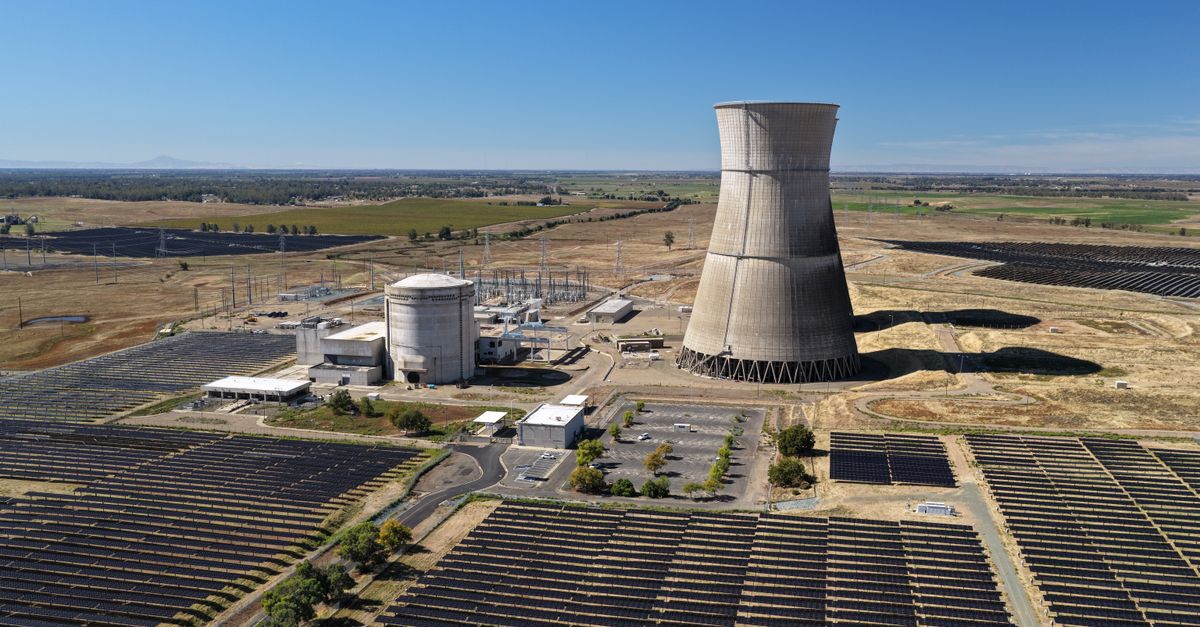
Photo by Sean P. Twomey on Pexels
Wind and Solar Top Gas for the First Time
In April 2026, wind and solar farms collectively outproduced natural‑gas plants worldwide for the first time. The milestone, reported by Electrek, marked a turning point in the global generation mix and underscored the accelerating deployment of variable renewables.
The surge arrived amid a broader energy transition that has already lowered coal’s share and forced utilities to re‑think baseload strategies. Yet the headline‑grabbing numbers mask a quieter crisis: the water‑intensive infrastructure that powers the digital economy. As renewable output climbs, data‑center operators—many owned by the same hyperscalers that run the wind farms—are being pressed to prove that their thirst for cooling water does not undo climate gains.
Data Centers Face Water Scrutiny
Hyperscale cloud providers have come under intense scrutiny for their impact on water quality and availability. Reports in tech media note that massive cooling systems siphon millions of gallons from rivers, lakes, and groundwater each year, often in regions already experiencing drought.
Regulators in Arizona, Nevada, and parts of the Pacific Northwest have begun issuing tighter withdrawal permits, citing the cumulative effect of dozens of data‑center clusters on local aquifers. Environmental NGOs argue that the sector’s water footprint is invisible compared to its carbon label, but the numbers are real: a single megawatt of server capacity can require up to 1,500 gallons of water per hour for evaporative cooling.
The Renewable Pledge Gap
Dropbox’s 2020 sustainability announcement promised 100 % renewable electricity for its global data‑center fleet by 2030. Chief Legal Officer Bart Volkmer declared, “We feel a tremendous responsibility to create a more sustainable future,” and pledged carbon neutrality alongside the renewable target.
Four years later, the company’s public filings still list the same 2030 horizon, while industry analysts note that most hyperscalers have not disclosed concrete water‑reduction roadmaps. The disconnect between renewable‑energy pledges and water‑use practices creates a paradox: power may be green, but the cooling systems remain thirsty. Without parallel investments in closed‑loop cooling, liquid‑immersion, or location‑based water‑risk assessments, the sector risks trading one environmental scar for another.
Historical Lessons and the Path Forward
The current tension echoes past energy inflection points. The 1973 oil shock forced Western economies to diversify away from petroleum, spurring investments in nuclear and early wind projects. Those shifts were accompanied by policy tools—price caps, strategic reserves, and R&D subsidies—that reshaped market incentives.
A comparable lever today could be water‑use regulation. In the 1996 Telecom Act, the United States opened the broadband market, but it also introduced spectrum‑allocation rules that forced carriers to adopt more efficient technologies. Analogously, a coordinated water‑allocation framework for data centers could accelerate the adoption of dry‑cooling, heat‑reuse, and AI‑driven workload placement that shifts compute to regions with abundant renewable energy and low water stress.
The panel at the recent Lindau meeting, featuring Nobel laureates Carlo Rubbia and Yuan Tseh Lee, warned that humanity is living beyond its planetary means. Rubbia argued that the fossil age will give way to “advanced versions of solar and nuclear power” within a generation, while Lee warned that a typical American lifestyle would require over five Earths if replicated globally. Hans Schellenhuber added that decarbonisation must happen within the next 40 years, before the world reaches an estimated 9 billion people.
These insights reinforce the urgency of coupling carbon‑free power with water‑wise operations. If the sector ignores the water dimension, the renewable surge could be undermined by localized shortages, community backlash, and costly retrofits.
What to Watch
Regulators in the U.S. Southwest are drafting a unified water‑intensity metric for large‑scale compute facilities, slated for a public comment period in Q3 2026. Simultaneously, major cloud providers have hinted at pilot projects using liquid‑immersion cooling in Nordic data centers, where ambient temperatures reduce the need for active water circulation. The coming months will reveal whether policy and technology converge fast enough to keep the water footprint from eroding the climate gains celebrated by April’s wind‑solar milestone.
Updates
- 2026-08-25 — The Fitbit Air would be S-tier if anyone made a band half as decent as Whoop’s (source)
Related Articles
AirTrunk pours $30 B into 5 GW AI data centers in India
Australian operator AirTrunk commits $30 B to build 5 GW of AI‑focused data centre capacity in India, raising questions about supply, energy and competition.

Amazon's Data Center Pushback
Amazon employees demand limits on data centers, while the company kills plans for a Stargate series reboot and updates Amazon Music with ads.
SolarSquare Eyes $60M Raise
Indian rooftop solar firm SolarSquare in talks to raise up to $60M