

AirTrunk pours $30 B into 5 GW AI data centers in India

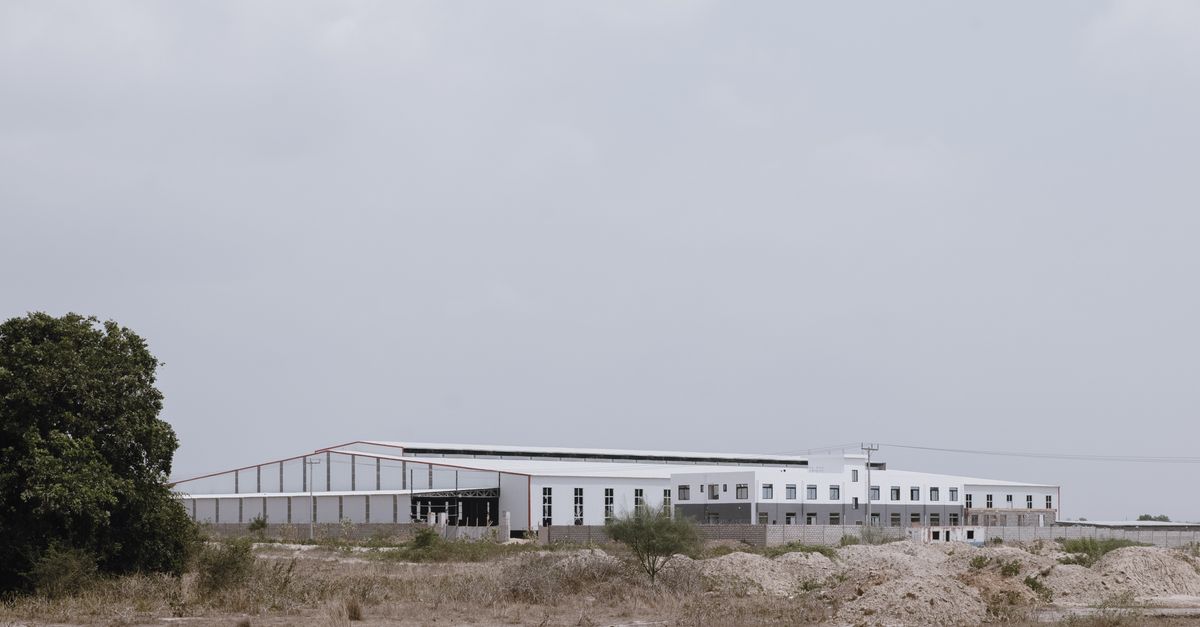
Photo by Andy Coffie on Pexels
AirTrunk’s $30 B India Bet
AirTrunk announced a $30 billion investment to install 5 GW of AI‑oriented data centre capacity across India. The move marks the largest single‑project spend by the Australian operator in the sub‑continent.
The company plans to spread the capacity over multiple sites, targeting tier‑1 cities where cloud providers already cluster. No timeline was disclosed, but the scale suggests a multi‑year rollout. AirTrunk has previously focused on hyperscale facilities in Australia and Southeast Asia; the India push expands its geographic footprint and aligns with the region’s surging AI workloads.
Analysts see the spend as a bet on India’s ability to supply power and fibre at the scale AI training demands. The investment dwarfs typical data centre projects, which usually hover around a few hundred megawatts. By committing 5 GW, AirTrunk forces the market to confront a supply gap that could shape pricing for years.
Why AI Compute Needs New Capacity
Training large language models now consumes megawatts of electricity per run. Existing hyperscale farms, built for general cloud workloads, often lack the density and cooling designs optimized for AI accelerators. AirTrunk’s plan explicitly mentions AI‑focused capacity, implying racks packed with GPUs or custom ASICs.
AI developers have complained that capacity shortages force them to queue on shared clouds, inflating costs and delaying research. A dedicated AI tier can offer predictable latency and power headroom. The 5 GW figure translates to roughly 50,000 high‑end GPU nodes, assuming a 100 kW per node density—a ballpark that matches the needs of today’s state‑of‑the‑art models.
Critics argue that the energy appetite of AI is unsustainable. Without clean power, new capacity could lock in carbon‑intensive generation. India’s grid still relies heavily on coal, and the country’s renewable share, while growing, may not keep pace with a sudden 5 GW AI load. The investment therefore raises a sustainability dilemma as much as a performance one.
India’s Data Center Landscape
India’s data centre market has been expanding rapidly, driven by cloud adoption and digital services. Major global providers have opened campuses in Mumbai, Delhi, and Hyderabad. Yet the sector remains fragmented, with many operators struggling to secure reliable power and fibre.
AirTrunk’s entry adds a player with a track record of building large, single‑tenant facilities. The company’s Australian sites are known for high‑density designs and aggressive power‑usage‑effectiveness (PUE) targets. Replicating that model in India will test local supply chains, especially for high‑capacity transformers and cooling infrastructure.
Regulatory approvals present another hurdle. India’s telecom regulator has recently tightened rules on cross‑border data flows, and state governments control land allocation for large industrial projects. AirTrunk will need to navigate a patchwork of permits, which could delay site construction.
Risks and Open Questions
The biggest risk is power availability. Even if the grid can deliver 5 GW, the reliability required for AI training—often measured in “five‑nine” uptime—may be hard to guarantee. Power‑purchase agreements (PPAs) with renewable developers could mitigate the risk, but no such deals have been announced.
A second risk lies in market demand. AI compute demand is volatile; a sudden slowdown in model development could leave capacity underutilized. AirTrunk’s business model relies on long‑term contracts with cloud providers or AI firms, yet those customers have not publicly committed to the new sites.
Finally, competition could erode pricing power. Other hyperscale operators, such as Google and Microsoft, are also expanding AI‑optimized farms in Asia. If they secure preferential power or tax incentives, AirTrunk may face a pricing squeeze.
What to Watch
Track the signing of power‑purchase agreements for the Indian sites. A renewable‑focused PPA would signal a commitment to sustainable AI compute. Monitor land‑allocation approvals from state authorities in Mumbai, Hyderabad, and Bangalore, as delays could push the rollout into 2026 or later. Finally, watch for capacity‑utilization reports from major cloud providers; a sudden dip in AI workload demand would reshape the economics of AirTrunk’s bet.
Tags: data centers, ai, india, infrastructure
Visual keyword: massive data center facility under construction in an Indian industrial park
Updates
- 2026-09-11 — The US and Mexico Announce They’re Teaming Up Against Drones (source)
Related Articles
OpenLake cuts AI inference latency with Rust‑based KV offload
OpenLake uses a Rust storage engine to offload transformer KV caches, delivering million‑plus IOPS and 66× faster first‑token times on H100 clusters.

Iran-linked water hacks and Android sanctions loophole
Cyber attacks on US water systems, Google’s Android exemption for sanctioned nations, and rising AI lawsuits signal a shifting cyber policy battleground.

Amazon and Meta Challenge Google Pay, PhonePe UPI Dominance
Amazon and Meta lobby Indian regulators to curb Google Pay and PhonePe's 80% UPI share, while AI tools like KisanAI reshape Indian tech landscape.