

Blue Origin, Chinese test fires expose rocket safety gaps

A blast that still echoes
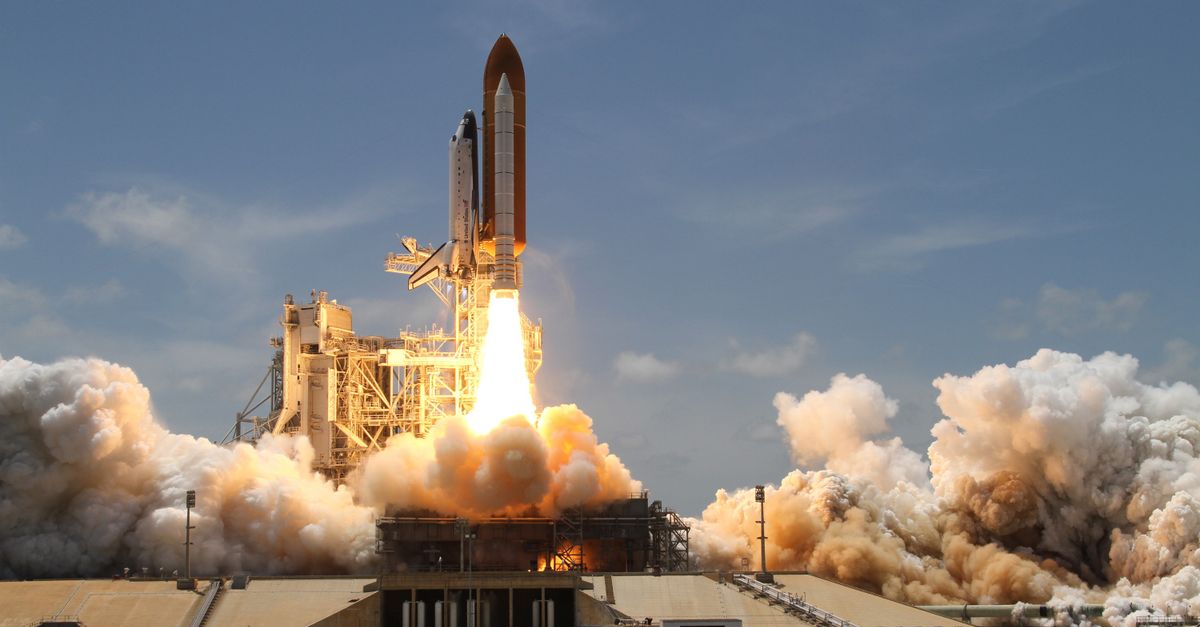
The roar of a rocket that was supposed to stay glued to the ground still rattles engineers across two continents. Blue Origin’s New Glenn test on July 2 sent a shockwave that shattered windows in a hangar a mile from the pad, proving that overpressure can travel farther than anyone expected.
NASA announced it will begin stacking the SLS rocket this summer for the Artemis III mission, a timeline that now shares a launch‑pad calendar with a series of safety reviews sparked by the Blue Origin incident. The agency’s schedule is concrete: stacking starts in June, launch slated for late 2025. The blast, reported by Ars Technica, left no injuries but forced a reassessment of pad‑side procedures.
When a static fire turns into an accidental launch
Space Pioneer’s Tianlong‑3 first‑stage test on June 30 in Henan province was meant to be a routine static fire. Instead, nine engines ignited, the stage broke free of its clamps, rose briefly, and crashed 1.5 km away, detonating a massive explosion.
The Chinese digital newspaper The Paper confirmed that the stage produced roughly 820 tons of thrust before the onboard computer shut the engines down. The company later blamed a structural failure at the connection between the rocket body and the test bench. No casualties were reported, and the company reiterated its $207 million funding round announced earlier this month.
Such an escape is virtually unheard of. Static‑fire tests usually keep the vehicle tethered; a launch‑like lift‑off indicates a fundamental flaw in the hold‑down design or the release sequencing. SpaceX experienced a similar failure with a Starship prototype in 2020, but that was a deliberate pressure‑test, not an unintended lift‑off.
The ripple effect on launch pipelines and funding
Blue Origin’s overpressure damage forces a review of how launch complexes mitigate blast effects. The shattered windows at a hangar a mile away suggest that current safety buffers may be insufficient for next‑generation engines that generate megawatt‑scale thrust.
For Space Pioneer, the mishap jeopardizes an orbital launch that was slated for the new commercial facilities near Wenchang on Hainan island. The company had positioned Tianlong‑3 as a reusable competitor to SpaceX’s Falcon 9, aiming to feed China’s megaconstellation plans. A delay now threatens those satellite deployments, which rely on a steady cadence of medium‑lift launches.
Investors are watching the $207 million funding round closely. The capital injection was meant to accelerate hardware upgrades and a first orbital flight within months. With the test failure, the runway to commercial revenue lengthens, and the Chinese government’s recent policy push for a robust commercial launch sector may encounter new scrutiny.
What to watch next
NASA’s SLS stacking will proceed this summer, but the agency will likely tighten pad‑side blast‑mitigation requirements after the Blue Origin episode. Expect revised distance guidelines for ancillary structures and more robust over‑pressure sensors.
Space Pioneer has promised a root‑cause analysis and a restart of testing with new hardware. The next milestone to track is the company’s announcement of a revised test schedule and any changes to the hold‑down system. A successful static fire without lift‑off will be the first real indicator that the structural failure has been fixed.
Finally, the broader commercial launch market will feel the aftershocks. Companies that rely on Chinese launch capacity may need to hedge against further delays, while U.S. providers could see renewed interest from satellite operators wary of safety uncertainties abroad. The next few months will reveal whether the industry can absorb these setbacks without a cascade of postponed missions.
Updates
Related Articles
Xiaomi MiMo 2.6, Grok 4.7, and a Wave of Mid‑Month Tech Setbacks
A roundup of Xiaomi's MiMo 2.6 launch, x.ai's Grok 4.7 update, NASA's Mars Sample Return cancellation, and other mid‑September tech headlines.
BepiColombo reaches Mercury as community tools reshape space
After eight years in flight, ESA's BepiColombo probe nears Mercury while open-source projects and new research expose the software and cultural gaps in modern space exploration.
Texas Hyperloop Pitch, SpaceX Starship Test
A Boring Company hyperloop proposal, SpaceX’s looming Starship test, and Joby Aviation’s autonomous coast‑to‑coast flight reveal how bold infrastructure bets clash with hard market realities.