

Waymo finally puts robotaxis on freeways

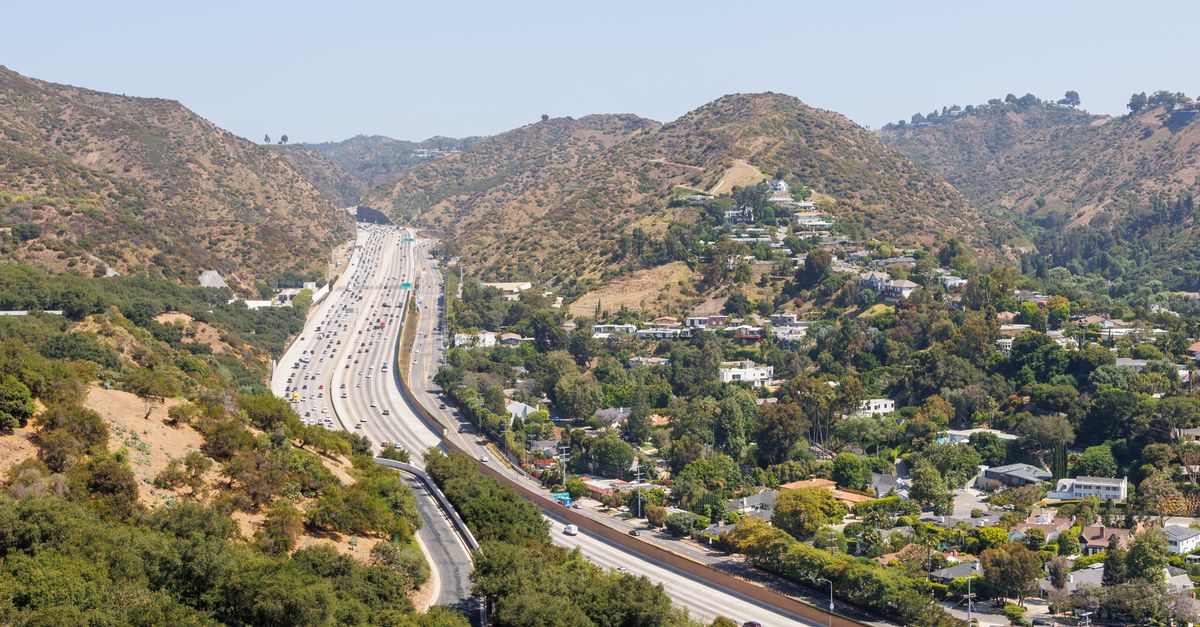
Photo by Igor Passchier on Pexels
Waymo is back on the freeways of Phoenix, Los Angeles and San Francisco, offering riders faster routes after a software recall forced a temporary halt.
The recall covered roughly 3,900 robotaxis that ran the company’s fifth‑generation automated‑driving system. NHTSA filings say 13 incidents involved vehicles entering closed construction zones on Phoenix freeways or lanes under active work in the Bay Area. Waymo voluntarily restricted freeway ops in May, filed a recall, and announced a software “remedy” while keeping surface‑street service alive.
Freeway rollout resumes
The company announced Wednesday that robotaxis will now accept freeway trips in all three markets. Riders can toggle a “freeway” preference in the app, and the system will match them with a vehicle that can stay on the interstate for the bulk of the journey. Waymo co‑CEO Dmitri Dolgov stressed that freeway driving is “very easy to learn, but very hard to master” without a human safety driver, and that the new software patch focuses on safety and reliability.
In Phoenix, the fleet already runs on I‑10 and I‑17, shaving up to 50 % off trips that would otherwise snake through city streets. In Los Angeles, the rollout covers I‑10, I‑110, I‑405 and I‑90, while San Francisco riders will see the same benefit on the Bay Area’s network of freeways. The expansion also adds curbside pickup at San Jose Mineta International Airport, extending the service area to a 260‑mile corridor across the Peninsula.
Recall, patch and lingering risk
Waymo’s recall stemmed from a software blind spot around construction‑zone detection. The NHTSA notice warned that “driving through a closed construction zone increases the risk of a crash.” Waymo’s statement acknowledged the issue, saying it had “identified an area of improvement regarding performance around freeway construction zones.” The company limited freeway availability while engineers rolled out the fix and validated it with closed‑course and simulation tests, as explained by principal software engineer Pierre Kreitmann.
The recall is the second in just over a month. A prior recall in May addressed robotaxis that drove into flooded zones or standing water. Waymo also faces a separate NHTSA safety board probe after a January incident where a robotaxi illegally passed a stopped school bus. These safety scrapes have kept regulators and the public watching closely, especially after the company’s earlier mishaps with school‑bus yielding in Austin and power‑outage stalls in San Francisco.
Competitive stakes and expansion velocity
Freeway access is a make‑or‑break factor for Waymo’s business model. In sprawling metros like Phoenix and Los Angeles, a direct freeway route can cut travel time in half, a claim the company backs with internal data showing a Santa Monica‑to‑Broad trip drops from 30 minutes to roughly 15 minutes via I‑10. Competitors such as Cruise and Tesla still rely on mixed‑traffic operation, leaving Waymo with a potential edge if its freeway patch holds up.
Industry observers note that the patch’s deployment timeline will cap Waymo’s expansion speed. Autnmy AI co‑founder Grayson Brulte praised the proactive recall but warned that “until the freeway patch is deployed and validated, we believe Waymo’s expansion velocity is fundamentally constrained.” The company recently secured an extra $5 billion from Alphabet, and it plans its first international launches in London and Tokyo later this year. Yet the California Public Utilities Commission only cleared commercial charging on freeways in March; the CPUC also paused a separate Los Angeles expansion for 120 days to review 81 public comments, reflecting lingering municipal concerns.
Industry context and what’s next
Waymo’s freeway push revives a goal set 16 years ago when the Google self‑driving project first tested on the San Francisco‑to‑Silicon Valley corridor. Back then, freeways were a proving ground, but the company never offered paid rides there. The current rollout shows a maturing stack that can handle the higher speeds and fewer but more consequential edge cases of interstate travel. Still, critics argue that fewer critical events on freeways mean less data to train on, a paradox that forces Waymo to lean heavily on simulation and closed‑course validation.
Looking ahead, the key watch points are the software patch validation timeline, any further NHTSA actions, and the CPUC’s final decision on charging in Los Angeles. Waymo has opened a $29.99‑per‑month subscription tier for power users in high‑demand cities, but the real revenue test will be whether riders choose a paid freeway ride over a cheaper surface‑street alternative. The next few months will reveal if the freeway expansion translates into sustained ridership growth or stalls under regulatory and safety scrutiny.
What to watch: Track the NHTSA recall closure report, the CPUC’s final ruling on Los Angeles charging, and Waymo’s first paid freeway trips in San Francisco Airport corridors. Those data points will indicate whether the freeway patch unlocks a scalable revenue stream or becomes another regulatory hurdle.
Related Articles
Judge Bars Waymo Overnight Charging After Resident Noise
A Los Angeles judge halted Waymo’s 24‑hour charging in Santa Monica, citing resident sleep disruption and raising questions about autonomous fleet operations.
Waymo’s robotaxi woes spill from theft to battery reuse
Waymo grapples with a burglary, street‑level safety glitches, a battery‑to‑grid deal, and a $2.5 billion Hyundai order as regulators stare down the AV boom.

Uber revives own AVs to feed robotaxi partners
Uber puts a Hyundai Ioniq 5 on the road to harvest data for its robotaxi allies, reviving its AV program amid lawsuits and fleet‑only debates.