

Android 17 lands on Pixel, but OEMs face update maze

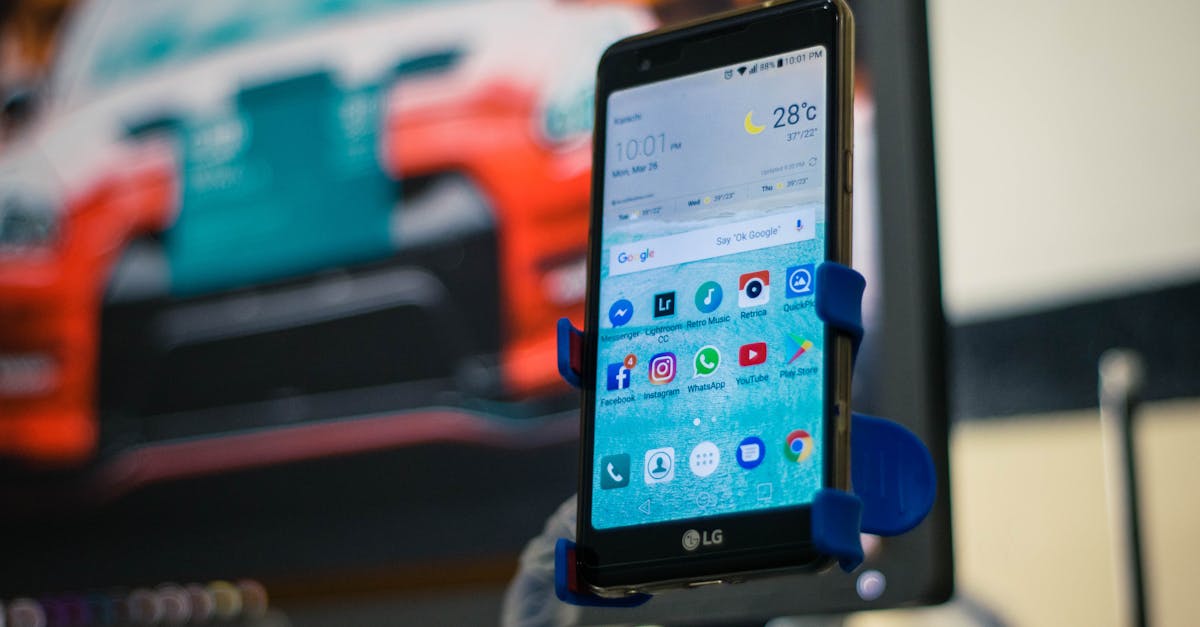
Android 17 rolls out to Pixel first
Android 17 ships to Pixel devices this June, marking the start of the OS’s public rollout. Google has been beta‑testing the version throughout 2025 and confirmed that every phone and foldable back to the Pixel 6a will receive the upgrade.
The rollout follows the familiar pattern of delivering the new OS to Google’s own hardware before it trickles to the wider Android ecosystem. Pixel users will see the update appear under Settings → System → Software Update, while non‑Pixel phones must wait for manufacturers to push their own builds. The timing matters because many Android users check for updates the moment a new version hits the Play Store, and a delayed OEM rollout can leave a device stuck on Android 16 for months.
Update promises and fragmentation across OEMs
Manufacturers that sell phones in the European Union must honor the EU’s Ecodesign Requirements, which mandate at least five years of major OS updates. Google and Samsung already exceed that floor, offering up to seven years for flagship models.
Samsung’s recent flagships – the Galaxy S23 through S26 – are all slated to receive Android 17, as are the newer Z Fold 5 and Z Flip 5 devices. Recent entries in the Galaxy A and M series also qualify under the five‑year rule. By contrast, Nothing limits its support to four years; the Phone (3) and Phone (4a) should see Android 17, but the older Phone (1), Phone (2) and CMF Phone 1 will likely be skipped.
Motorola’s update roadmap is less predictable. The company lists a software‑upgrade tool on its website, but in practice the tool has offered little clarity. Newer Razr and Edge models appear on the short list for Android 17, while older devices remain in limbo.
OnePlus has a public community post that promises four years of Android updates for its flagships. That means the OnePlus 11, 12, 13 and 15 should all move to Android 17, while the mid‑range Nord line receives a shorter window. Oppo follows a similar policy: recent Find and Reno devices from the past two years are expected to get the upgrade, but budget models may be left behind.
The sheer volume of Android hardware – dozens of manufacturers releasing dozens of models each year – creates inevitable fragmentation. A quick way to gauge eligibility is to check whether the device already runs a recent Android 16 build; phones lagging behind are unlikely to see Android 17 at all.
New user‑facing features: hiding labels and live travel updates
One of the headline consumer tweaks in Android 17 is the ability to hide app labels on the home screen. The option lives in the launcher settings and lets users present a cleaner grid of icons, a modest but noticeable change for people who personalize their screens.
At the same time, Google is extending its travel‑centric features that debuted in Android 16. A widget called Live Updates, now part of Google Wallet, surfaces real‑time trip information on the lock screen and home screen. When a user adds a boarding pass to Wallet, the widget shows departure and destination airports, a flight‑progress bar, estimated arrival time, and step‑by‑step driving directions to the final venue.
Google first announced a flight‑progress widget at its I/O conference last year, and the Live Updates integration mirrors iOS’s Live Activities. Future expansions promise data from Google Maps, Waymo, ride‑sharing and food‑delivery apps, turning the Android home screen into a dynamic travel hub. To try it, users need a planned trip and a boarding pass loaded into Wallet; the widget appears as the departure time approaches.
Regulatory headwinds in India and the broader ecosystem
India’s Competition Commission (CCI) has issued directives that force Google to modify its Android and Play Store practices in the market. Google has informed the CCI of its compliance plan while continuing to appeal aspects of the ruling.
The changes will require coordinated effort from Google, OEMs and developers. Google says the adjustments will affect how apps are distributed and how the Play Store enforces competition rules, but it emphasizes that its core principles – openness, user choice and security – remain intact.
Google also highlights its role in India’s digital transformation, noting a 150 % rise in time spent by users outside India on Google Play in 2021 versus 2019. The company argues that a stable, secure Android platform has helped local developers reach global audiences, even as it adapts to new regulatory expectations.
What to watch
The next few months will reveal how quickly OEMs push Android 17 to their devices and whether the live‑travel widget gains traction beyond early adopters. In India, watch for the first compliance rollout on the Play Store and any follow‑up actions from the CCI that could reshape app distribution. Finally, keep an eye on how manufacturers balance the EU’s five‑year update rule with their own support timelines – a mismatch could push more users toward longer‑supported Pixel devices.
Related Articles
Google pushes AI and customization across Search
Google's latest updates let users add sources to Search, tweak Discover via chat, and tighten Android Auto stability while rolling out AI-powered Gboard suggestions.
Google adds AI to Android with Health 5.08 and Find Hub update
Google rolls out Health 5.08 and a Gemini‑powered Remembered tab in Find Hub, tightening AI across Android.
Google updates Clock timers, Gemini Photos, Motion Assist
Google refreshed the Clock app’s timer UI, let Gemini Spark automate Google Photos, and began rolling Motion Assist to Android 17 devices.