

Walmart's $248 Google TV, AMD's $549 GPU, iPhone LATAM Rise

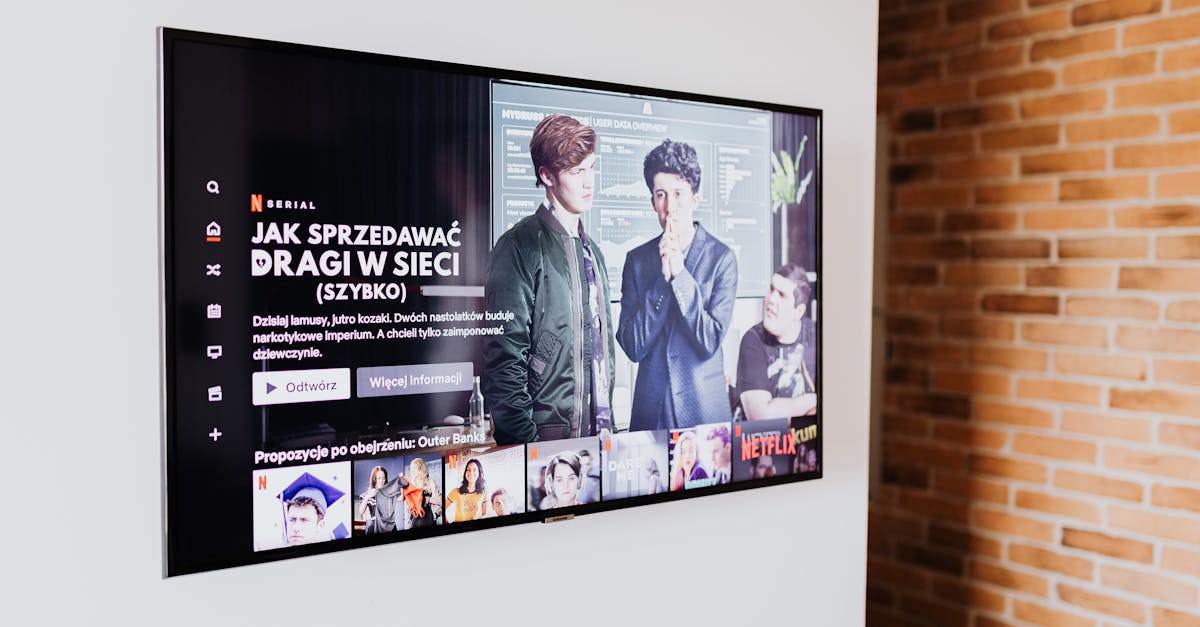
Photo by www.kaboompics.com on Pexels
Walmart rolls out $248 Onn Google TVs
Walmart added a line of Onn‑branded televisions that run Google TV, with the entry model priced at $248. The move follows months of speculation that the retailer would bring a low‑cost smart‑TV option to its shelves, and the pricing undercuts most competing entry‑level Android TV sets.
The collection includes 32‑inch and 43‑inch panels, each equipped with the same Google TV software stack that powers higher‑priced models from brands like Sony and TCL. According to 9to5Google, the TVs ship with a built‑in Chromecast capability, voice search via Google Assistant, and a suite of streaming apps pre‑installed. Walmart’s online catalog lists the 32‑inch unit as “The Fresco” art TV, a nod to the optional art‑display mode that cycles curated images when the screen is idle. The retailer has not disclosed volume discounts or supply‑chain partners, but the price point suggests a cost‑plus strategy aimed at budget‑conscious shoppers.
The launch arrives as the smart‑TV market grapples with a slowdown in premium‑segment growth. By anchoring the offering at sub‑$250, Walmart positions itself to capture a segment that traditionally purchases budget sets from discount brands. The decision also aligns with Google’s push to expand the Google TV ecosystem beyond the flagship hardware partners that have dominated the space for years.
Pricing pressure reshapes the smart‑TV arena
The $248 price tag forces competing manufacturers to reassess their low‑end lineups. Historically, 32‑inch Android TV models from brands like Hisense and Insignia have hovered around the $300‑$350 range. With Walmart’s entry, those models risk losing shelf space unless they can differentiate on features or price.
Industry analysts note that the cost of the underlying SoC, typically a MediaTek or Amlogic processor, has been trending downward, enabling tighter margins on entry devices. However, the inclusion of Google TV—rather than a generic Android skin—adds a licensing component that could have deterred some OEMs. Walmart’s willingness to absorb that cost indicates a bet on volume: sell enough units to offset the licensing fee and still turn a profit.
The move also tests Google’s willingness to subsidize the platform. In prior negotiations, Google has offered reduced licensing fees to partners that meet certain user‑engagement thresholds. If Walmart can drive high daily active users on its Onn TVs, Google may view the partnership as a net win, even at a lower per‑unit margin.
AMD introduces the Radeon RX 9070 GRE at $549
AMD released the Radeon RX 9070 GRE, a graphics card priced at $549, positioning it as a budget‑friendly option in a market where mid‑range GPUs often exceed $700. Engadget’s review confirms that the card delivers solid performance for 1080p and entry‑level 1440p gaming, hitting 70 fps in titles such as Valorant and Fortnite at medium settings.
The GPU leverages AMD’s RDNA 3 architecture but trims the core count and memory bandwidth to keep costs down. It ships with 8 GB of GDDR6 memory and a 128‑bit bus, specifications that align with the pricing strategy. The card’s power draw sits at 150 W, allowing it to fit in mid‑tower cases without requiring a high‑amp power supply.
AMD’s pricing appears calibrated to capture gamers who have been priced out of the current GPU shortage. By offering a card that sits below the $600 threshold, AMD hopes to attract a segment that has been forced to rely on older hardware or lower‑performance integrated graphics. The company’s press release emphasizes “value without compromise,” a phrasing that mirrors the budget‑first narrative seen in Walmart’s TV launch.
Latin America sees an 8% iPhone shipment rise in Q1 2026
Counterpoint Research reports that Apple’s iPhone shipments in Latin America grew 8 % year‑over‑year in the first quarter of 2026. The increase contrasts with flat or declining growth in other mature markets, suggesting regional demand is buoyed by newer model introductions and carrier subsidies.
The data shows that the iPhone 15 series accounted for the bulk of the uplift, with the 15 Pro and 15 Pro Max models moving in higher volumes than the standard 15. Apple’s market share in the region rose from 14 % to 16 % over the same period, according to the same Counterpoint report. The growth aligns with broader smartphone adoption trends in Brazil, Mexico, and Colombia, where middle‑class expansion fuels premium‑device purchases.
Analysts caution that the 8 % gain may be temporary. Economic volatility, currency fluctuations, and the competitive pressure from Android manufacturers offering high‑spec devices at lower prices could temper future growth. Nonetheless, the shipment increase signals that Apple’s premium pricing strategy still resonates with a subset of Latin American consumers willing to pay a premium for brand and ecosystem benefits.
What to watch next
Walmart’s low‑priced Google TV lineup will be evaluated on unit sell‑through and the impact on Google’s active‑user metrics. AMD’s Radeon RX 9070 GRE will face its first test in the upcoming Q2 2026 GPU pricing data; a sustained sales lift could prompt AMD to expand the GRE family. In Latin America, the next Counterpoint quarterly report will reveal whether Apple can maintain its 8 % shipment momentum or if Android rivals will reclaim market share as new mid‑range devices launch. Tracking these three threads will illuminate how price‑driven strategies shape the broader consumer‑tech ecosystem.
Updates
Related Articles
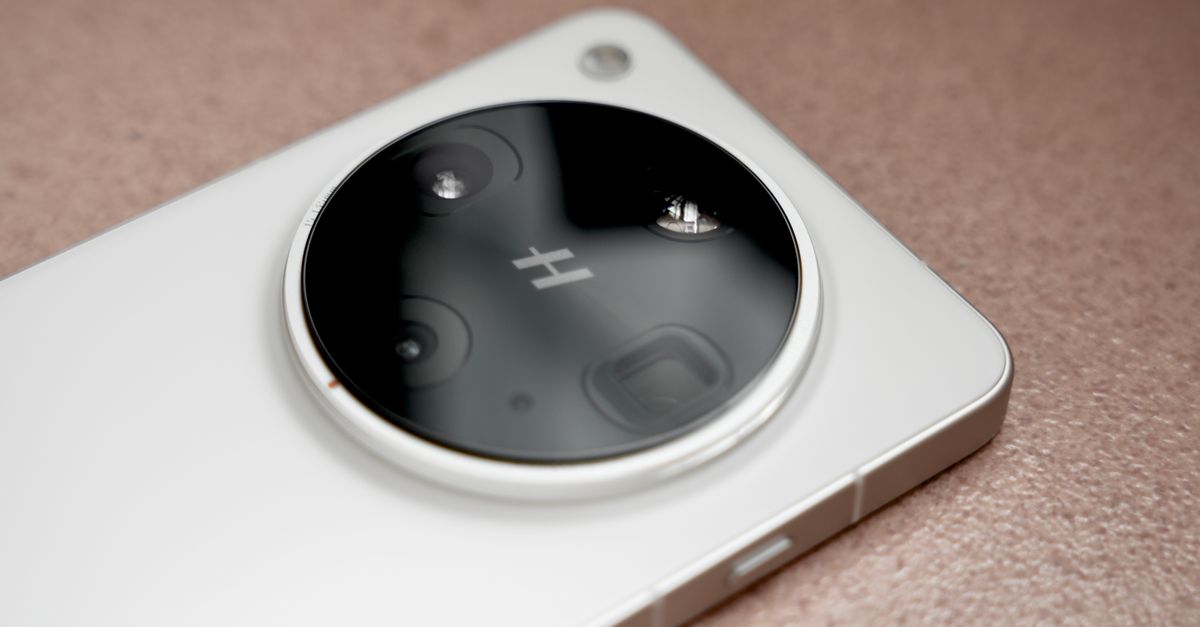
iPhone 18 Pro’s variable aperture sparks repair worries
iFixit’s teardown reveals a variable aperture and a display repair flaw; iOS 27 adds 30+ speed tweaks; Duo forces app recompilation; Pro Max’s battery size triggers new shipping rules.
Apple adds $5 monthly fee for iPhone Handoff on T‑Mobile
Apple bundles iPhone Handoff with iOS 27 but charges T‑Mobile users $5 a month, sparking debate over continuity costs and carrier lock‑in.
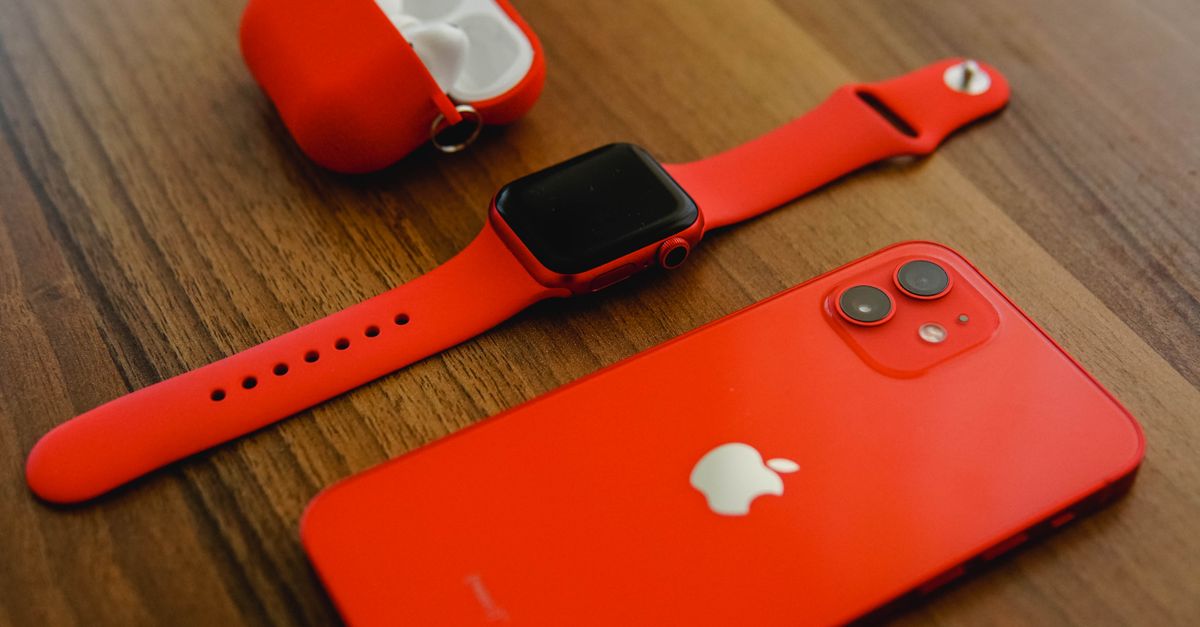
Apple hikes iPhone prices while rolling out foldable and AI
Apple raises older iPhone prices, adds iPhone Duo developer tools, launches Siri AI in English, and unveils Watch Series 12 health sensors.