

Google Home uses Gemini camera for automations

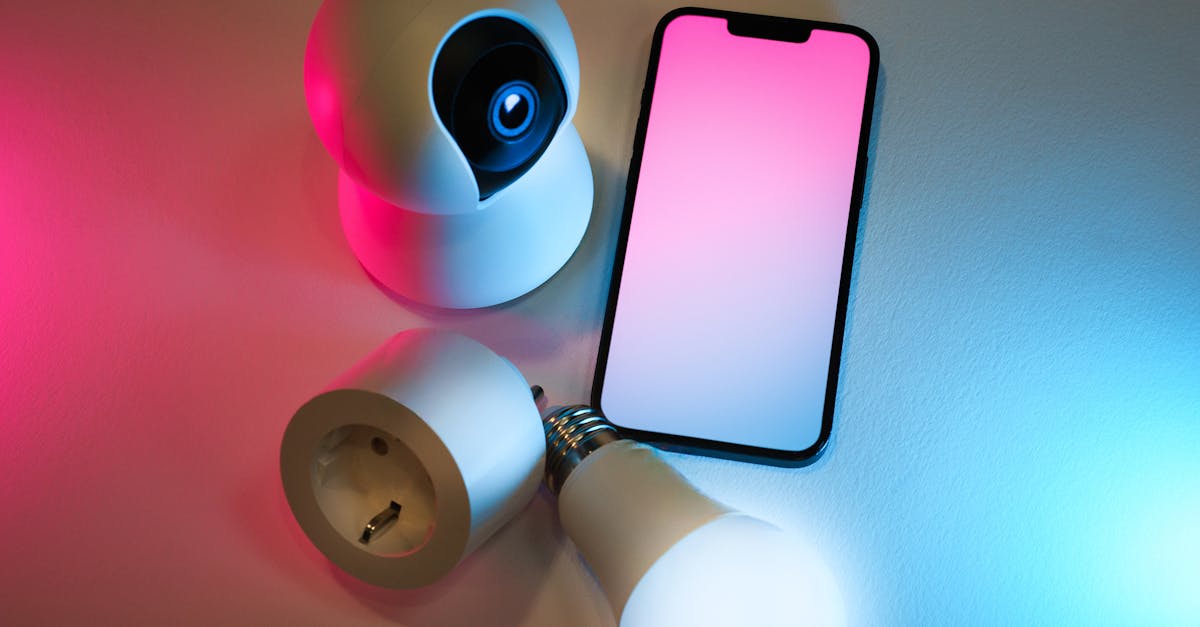
Photo by Jakub Zerdzicki on Pexels
Google Home adds camera‑driven automations
Google Home’s latest update taps Gemini’s camera scene understanding to launch automations. The change lets a Home device read a room’s visual cues and trigger actions without a voice command. According to 9to5Google, the feature lives inside the Home app and is exposed as a new automation starter. Users can select a camera feed, define a scene such as “people entering” or “lights on,” and bind it to a routine. The automation runs locally on the Nest Hub or other supported devices, preserving the low‑latency experience that Google’s ecosystem promises.
The update also bundles a handful of tweaks to the Home app UI and the voice assistant. Navigation shortcuts have been rearranged, and the voice assistant now surfaces the new automation option when asked about routines. The rollout arrives alongside other minor improvements, but the camera integration stands out because it shifts control from spoken prompts to visual triggers. The move signals Google’s confidence that on‑device vision can replace or augment voice in everyday tasks.
Preferred Sources expand into AI Mode and Overviews
Google is extending its Preferred Sources feature beyond traditional Search results. After a soft launch for regular queries, the company now surfaces Preferred Sources inside AI Mode and AI Overviews, according to 9to5Google. The feature highlights content from publishers that Google has flagged as authoritative for a given topic. In AI Mode, the model can cite those sources directly when generating answers, giving users a clearer provenance trail.
The change matters because AI Mode already blends conversational answers with web snippets. By injecting Preferred Sources, Google nudges the model toward vetted information without sacrificing the fluidity of the chat experience. The rollout does not replace the broader web index; it simply adds a layer of source weighting. The approach mirrors earlier experiments where Google tried to surface “trusted” outlets in its search snippets, but now it operates inside a generative context.
MediaTek’s Dimensity 8550 readies cheap phones for Gemini
MediaTek announced the Dimensity 8550 chipset, describing it as a minor refresh that carries the foundational support needed for Gemini Intelligence on affordable Android flagships. The chip adds the necessary hardware accelerators for on‑device inference, enabling low‑cost devices to run Gemini‑powered features without offloading to the cloud. 9to5Google notes that the upgrade is not a performance overhaul; instead, it focuses on the AI stack.
The chipset targets the mid‑range market, where price pressure often limits AI capabilities. By embedding Gemini support at the silicon level, MediaTek hopes manufacturers can ship phones that understand voice, images, and text with the same model family that powers Google’s own services. The move also aligns MediaTek’s roadmap with Google’s push to democratize AI across hardware tiers, potentially widening the pool of devices that can run advanced vision and language models locally.
Industry context: AI models moving from cloud to edge
The three announcements reflect a broader industry trend: pushing large language and vision models onto edge devices. Google’s camera‑driven automations, its Preferred Sources in generative chat, and MediaTek’s AI‑ready chipset all aim to reduce reliance on remote inference. Edge deployment cuts latency, lowers data‑transfer costs, and mitigates privacy concerns by keeping raw sensor data on the device.
Competitors are pursuing similar paths. Apple’s on‑device neural engine and Amazon’s custom silicon for Alexa both prioritize local processing for wake‑word detection and limited AI tasks. MediaTek’s Dimensity line joins Qualcomm’s Snapdragon series, which already includes AI cores capable of running quantized models. The race now hinges on how efficiently each vendor can fit a model the size of Gemini into a power‑constrained environment while preserving accuracy.
What to watch
The next few months will reveal whether developers adopt the new Home automations at scale. Adoption metrics will likely surface in Google’s developer reports or in third‑party analytics platforms. MediaTek’s chipset shipments will indicate how quickly manufacturers integrate Gemini support into new flagships. Finally, the effectiveness of Preferred Sources in AI Mode will be measured by user trust signals and any shifts in misinformation rates. Tracking these data points will show whether the edge‑first strategy delivers on its promise of faster, more private AI experiences.
Related Articles
Google adds AI to Android with Health 5.08 and Find Hub update
Google rolls out Health 5.08 and a Gemini‑powered Remembered tab in Find Hub, tightening AI across Android.

New hardware quirks ring note‑taker AI feeder retro upgrades
A ring‑sized note taker, AI‑driven cat feeder, free retro‑handheld upgrades, E Ink tablets, and Android UI tweaks illustrate niche hardware shifts.

Google updates Clock timers, Gemini Photos, Motion Assist
Google refreshed the Clock app’s timer UI, let Gemini Spark automate Google Photos, and began rolling Motion Assist to Android 17 devices.