

Meta's Paid Tiers Diversify Revenue Amid Ad Stagnation

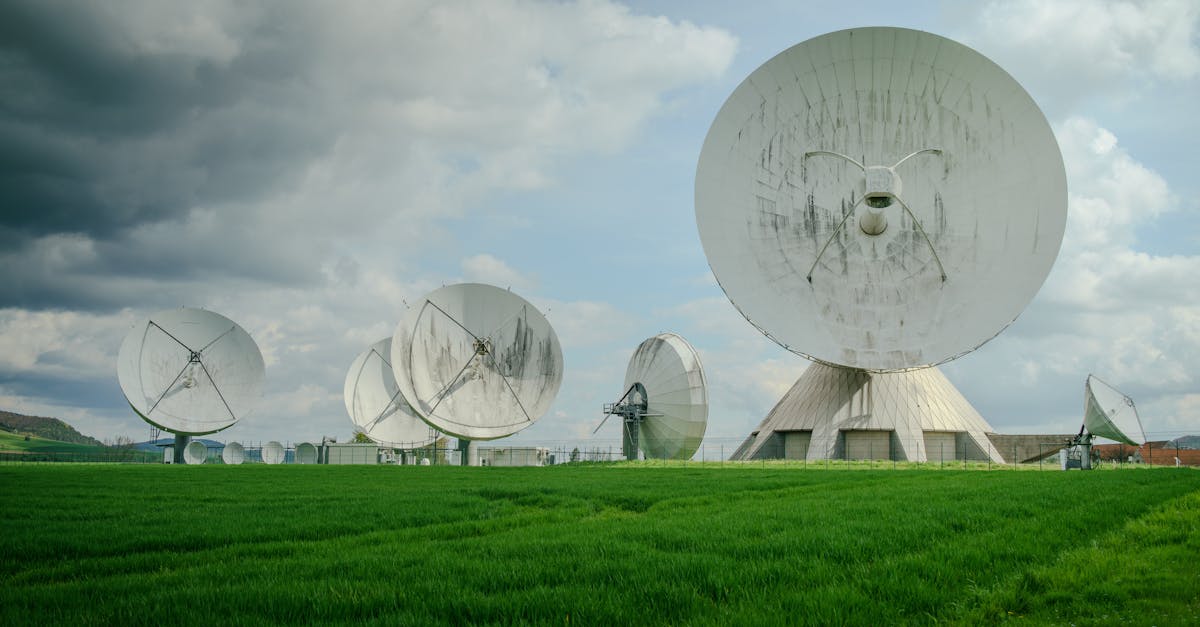
Photo by Der_ Hördt on Pexels
Meta pushes paid tiers across its flagship apps
Meta is rolling out paid subscription plans for Instagram, Facebook, and WhatsApp worldwide. The move bundles ad‑free experiences, extra creator tools, and AI features under a brand called “Meta One”.
The rollout arrives as the company wrestles with stagnant ad revenue and user fatigue. By charging directly, Meta hopes to diversify income and keep power users on the platform. The subscription tier also promises early access to new AI assistants that the firm has been testing in private labs. No pricing details were disclosed, but the structure mirrors the $4.99‑per‑month model Meta previously trialed for its Threads app.
Industry analysts note that the shift forces a cultural change. Users who have relied on free access now face a decision: pay for a cleaner feed or migrate to rivals. The subscription model also gives Meta a data‑rich, paying audience that can be monetized beyond ads.
Last.fm declares independence after years under a parent company
Last.fm announced that it is now an independent service. The music‑tracking site posted a notice on its support forum confirming the change. No acquisition or merger details were provided, and the announcement did not include a timeline for any operational shifts.
Independence matters because Last.fm has long depended on third‑party platforms for hosting and advertising revenue. Freeing itself could allow the company to experiment with new monetization models, such as premium accounts or direct artist partnerships. However, the lack of a parent company also removes a safety net that previously covered infrastructure costs.
For power users, the news feels like a double‑edged sword. The site’s core features—scrobbling, personalized recommendations, and community playlists—remain intact, but the future of long‑standing integrations with streaming services is uncertain. Listeners will be watching for any changes to data export options or API access.
Lombardy’s 200% tax threatens green data‑center expansion
The Lombardy region in Italy introduced increased charges of up to 200% for data‑centre construction in green and agricultural areas. The policy targets projects that would convert farmland or protected ecosystems into server farms.
Officials argue the tax protects biodiversity and discourages unchecked digital infrastructure growth. Critics counter that the steep surcharge could push developers toward less regulated regions, slowing Europe’s push for sustainable cloud capacity. The tax applies to any new build that claims a “green” label but sits on land classified for agriculture.
The measure arrives amid a broader European debate on the environmental footprint of data centers. While many operators tout renewable‑energy contracts, the physical footprint remains a contentious issue. Lombardy’s approach forces companies to weigh the cost of compliance against the strategic value of locating near major network hubs.
Private equity tightens its grip on America’s essential services
A recent analysis highlights that private‑equity firms have bought a growing share of essential service providers in the United States. The report points to acquisitions across utilities, healthcare, and logistics, sectors traditionally insulated from rapid market turnover.
The influx of financial capital brings efficiency drives and cost‑cutting measures that can improve margins. At the same time, profit‑first incentives may reduce service quality or raise prices for end users. Stakeholders worry that critical infrastructure could become vulnerable to the same exit strategies that have plagued other PE‑owned assets.
Regulators have begun to flag the trend, but enforcement remains fragmented. State‑level watchdogs lack the authority to block deals that cross state lines, and federal oversight is still catching up. The result is a patchwork of rules that leaves many transactions unchecked.
What to watch next
Track Meta’s subscription pricing as the company publishes tier details and monitors churn rates among power users. Watch Last.fm’s roadmap for premium features or new revenue streams, especially any partnership announcements with streaming platforms. Keep an eye on Lombardy’s tax enforcement timeline and any legal challenges from data‑centre operators. Finally, monitor congressional hearings on private‑equity ownership of essential services and any forthcoming federal guidelines. These signals will reveal how the tech ecosystem balances monetization, independence, regulation, and ownership in the months ahead.
Updates
Related Articles

ZuckOff alerts users to nearby Meta glasses amid privacy backlash
A Polish developer's free app warns iPhone and Android users when Meta's recording glasses are in the room, sparking debate over privacy and tech liability.

Meta lawsuit and AI security attacks pressure industry scaling
Meta battles a class-action over photo harvesting as Anthropic warns of Chinese distillation attacks, and OpenAI pauses Pro sign‑ups amid capacity strain.

Hacker News bursts with policy, health, and platform debates
Recent Hacker News threads on open IP, doomscrolling, water rights, and Chrome policy reveal where the tech community's focus lies.