

Google Halts Chromecast Updates, 4K Devices Unstable

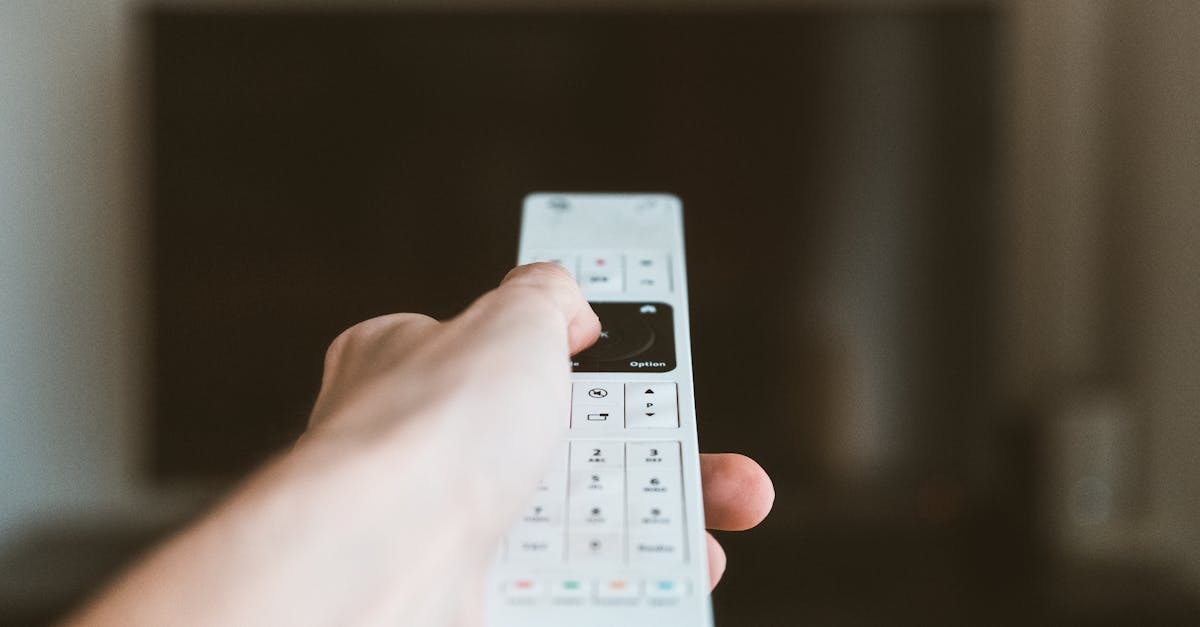
Photo by Image Hunter on Pexels
Google pulls the plug on Chromecast updates
Google announced it will stop software and security updates for the first‑generation Chromecast and for virtually every other Chromecast model, leaving only a single device still receiving patches. The move ends a decade‑long support cycle for the $35 dongle that introduced cheap streaming to living rooms.
The first‑gen Chromecast, launched in 2013, received its final firmware 1.36.159268 in November 2022 – the first update in over three years – before Google declared the line officially dead. A separate notice said “nearly every other Chromecast model” would no longer get updates, though the 4K Chromecast with Google TV remains on the update list for now. (9to5Google)
Android 12 lands on the 4K Chromecast with Google TV
The 4K Chromecast with Google TV, released in 2020, began receiving Android 12 in July 2022, but the rollout accelerated this month. The update arrives as build STTE.220621.019.A2.9082754, a 722 MB package that upgrades the underlying Android TV OS from version 10 to 12 and pushes the security patch level from May 2022 to July 2022.
Beyond the OS jump, the patch adds system‑wide toggles for camera and microphone access – a welcome privacy control for anyone using video‑calling apps on a TV screen. Google also advertises new HDR format and surround‑sound settings, plus a “match content frame rate” option that should smooth playback on high‑refresh displays. Users report that after installing the update they had to re‑pair the Voice Remote via Settings → Remotes & Accessories, but no separate remote firmware arrived. (HN)
Android 14 arrives, but it arrives with trouble
The promised Android 14 upgrade finally began rolling out on March 13, 2024, after multiple delays since its May 2024 announcement. Early adopters of the update on the Chromecast with Google TV have flagged a cluster of regressions that undermine the device’s core streaming purpose.
The most glaring issue is USB connectivity. Several users note that external drives, Ethernet adapters, and even USB‑C audio speakers become invisible to the system. One commenter confirmed that only a wired keyboard and mouse are detected, while all other peripherals—including storage and networking docks—fail to enumerate. A “Low Power” warning appears for some multi‑purpose adapters, though it disappears when the original USB‑C power brick is used.
Color‑profile handling also shifts. Reviewers see washed‑out tones compared to the pre‑update display, suggesting the new OS is applying a different gamma curve. The Settings app itself shows misplaced menu items, and USB debugging flags an error that didn’t exist on Android 12. Despite these quirks, the system remains broadly stable, and a factory reset reportedly restores faster launch times for some users.
Why Google’s update strategy matters for power users
Power users and developers have long relied on Chromecast as a low‑cost, hackable platform for everything from home‑theater PCs to custom dashboards. The abrupt cessation of updates for the first‑gen device and the vague “nearly every other model” language signal that Google is no longer treating the Chromecast family as a long‑term software platform.
Without security patches, older dongles become attractive attack vectors, especially since they still expose network ports and can be coaxed into running third‑party code. The lack of a clear timeline for the Android 14 bug fixes compounds the risk: a device that can’t see a USB‑C Ethernet dongle is effectively locked to Wi‑Fi, limiting its usefulness in wired‑network environments where latency matters.
Google’s decision also reshapes the competitive landscape. Competing streaming sticks from Amazon, Roku, and Apple continue to receive regular firmware updates, and many now ship with more robust hardware—full‑size USB‑C ports, higher‑speed Wi‑Fi, and dedicated AI chips. Users who value the cheap entry price of Chromecast may be forced to migrate to these alternatives or to a full‑blown Android TV box that receives longer support.
What to watch next
The next critical data point is Google’s response to the Android 14 connectivity bugs. If a patch lands within the next month, it could restore confidence in the 4K Chromecast as a viable streaming hub. Conversely, a prolonged silence would likely accelerate the shift of power users toward competing devices. Keep an eye on the official Chromecast firmware page for a new build number and on community forums for any announced security‑patch extensions for the first‑gen model.
Updates
- 2026-07-29 — OpenAI president says it’s ‘building a family of devices’ for its AI chatbots (source)
Related Articles
Google adds AI to Android with Health 5.08 and Find Hub update
Google rolls out Health 5.08 and a Gemini‑powered Remembered tab in Find Hub, tightening AI across Android.
Google updates Clock timers, Gemini Photos, Motion Assist
Google refreshed the Clock app’s timer UI, let Gemini Spark automate Google Photos, and began rolling Motion Assist to Android 17 devices.
Google’s Android Moves: Deals, Bugs, and a Platform Pivot
A rundown of fresh Android app discounts, Pixel 11 beta rollout, Meet hardware shift to Android, and new AI tools amid a Play Store crackdown.