

Google pushes Gemini AI into home devices and search

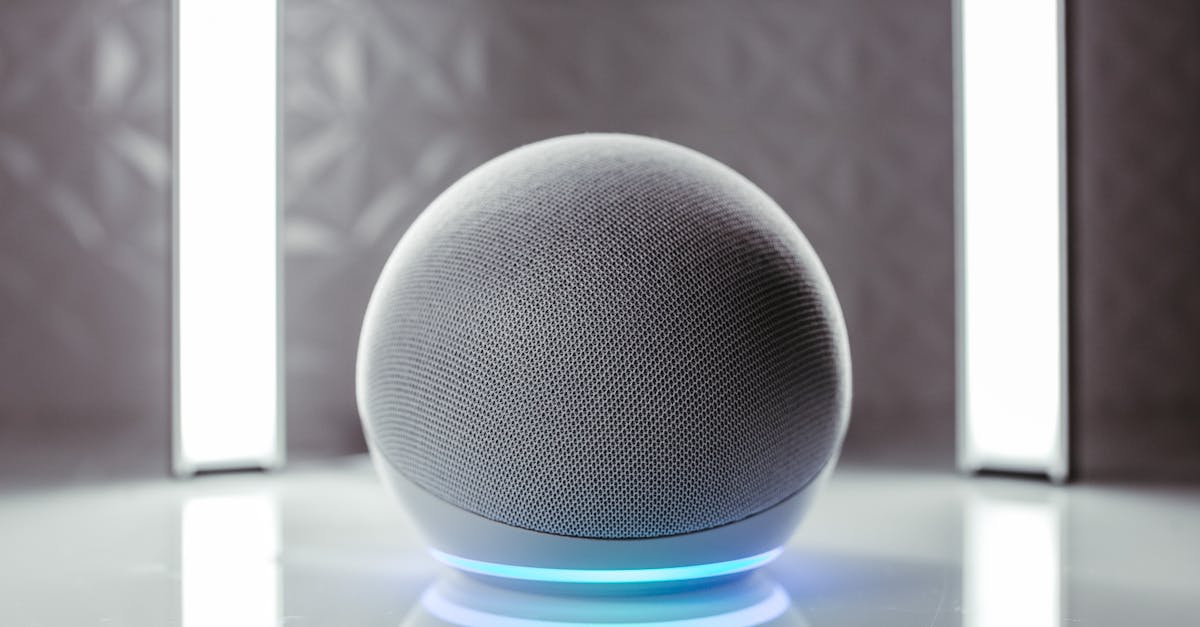
Photo by Jonathan Borba on Pexels
Google announced today that its Gemini AI will be baked into third‑party smart devices, extending the model beyond Pixel phones and Chrome browsers. The move follows a flurry of Gemini announcements at I/O 2026, including an AI avatar tool that creates lifelike video clones.
The company introduced the “Gemini built in” solution, promising Gemini‑powered voice assistants on speakers, cameras and other home gear. Engadget notes the effort is part of a broader push to make Gemini “everywhere in your home.” The AI overview feature for Search, highlighted by TechCrunch, will change how results are presented, and users who dislike the new format are warned they may not like what comes next.
Gemini on third‑party hardware
Google’s new program lowers the integration barrier for manufacturers. According to 9to5Google, the solution supplies a ready‑made Gemini stack that can be embedded in any compatible device, from Bluetooth speakers to security cameras. The company frames the offering as a plug‑and‑play kit that handles model hosting, voice activation and on‑device inference where possible.
Engadget adds that the announcement signals Google’s intent to outpace rivals that already ship AI‑enabled speakers. By handing over the heavy lifting, Google hopes OEMs will launch Gemini‑powered products faster and with fewer engineering resources. The trade‑off is a tighter dependence on Google’s cloud services, a point the article does not explore in depth.
AI overview reshapes Search
TechCrunch warns that Google’s Search UI will look “really different” once the AI overview feature rolls out. The feature replaces the traditional list of links with a synthesized summary generated by Gemini. Users who prefer the classic results list are told they may be dissatisfied with the new experience.
The overview leans on voice dictation trends, a theme Engadget picks up in its coverage of Google’s push to let AI do the thinking. By surfacing a single paragraph rather than dozens of links, the model reduces the time needed to scan results, but it also concentrates editorial control in a black‑box model.
Technical trade‑offs and privacy concerns
Embedding Gemini in low‑power devices forces compromises. On‑device inference can preserve user data, yet many third‑party speakers lack the compute to run a large language model locally. Google’s approach appears to rely on edge‑accelerated inference where hardware permits, falling back to cloud processing otherwise.
The shift raises privacy questions that the sources do not resolve. Engadget’s piece on voice dictation notes a “desire to leave the thinking to AI,” but it does not address how voice recordings are stored or whether they are used to fine‑tune Gemini. The lack of concrete policy details leaves developers and consumers guessing about data retention.
Market context and competitive pressure
Google’s expansion arrives as rivals double down on AI assistants. Microsoft has integrated its own large language model into Windows and Office, while Amazon continues to push Alexa‑based generative features. The pressure to keep pace explains Google’s aggressive rollout schedule, but it also amplifies the risk of feature fatigue among consumers already juggling multiple AI‑driven services.
The move also threatens independent search engines that position themselves as privacy‑first alternatives. By embedding Gemini across the home, Google can capture more user queries before they reach competing browsers or search portals. The competitive advantage hinges on how seamless the integration feels and whether users trust the underlying data handling.
What to watch
The next milestone is the public beta of Gemini built in, slated for later this year. Track adoption rates among major speaker manufacturers and watch for any regulatory scrutiny of the AI overview’s impact on search result transparency. The data will indicate whether Google’s gamble on ubiquitous Gemini pays off or provokes a backlash from privacy advocates and power users alike.
Updates
Related Articles

Google adds AI to Android with Health 5.08 and Find Hub update
Google rolls out Health 5.08 and a Gemini‑powered Remembered tab in Find Hub, tightening AI across Android.

Google Gemini Passes 1 Billion Users, Overtaking ChatGPT on iOS
Gemini hits a billion users, drives massive voice and image activity, and lands a deep partnership with Apple, reshaping the consumer AI race.

Google tightens Gemini limits amid developer pushback
Google revises Gemini's compute‑based usage caps, clarifies free‑tier prompts and images, and expands free Code Assist limits, reshaping AI tool competition.