

NASA patents, EM Drive thrust, and SpaceX’s new landing record

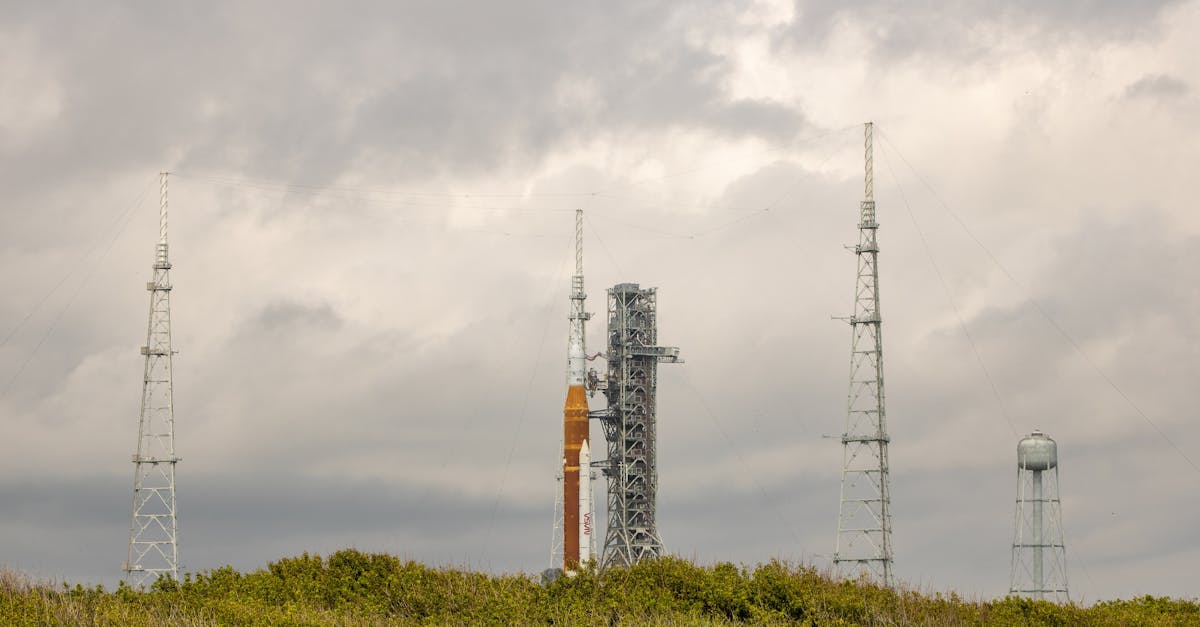
Photo by Daniel Dzejak on Pexels
NASA opens 56 patents to the public
NASA placed 56 of its space‑age inventions into the public domain this week. The release includes a carbon‑nanotube manufacturing method that costs about 20 times less than existing processes, a super‑efficient rocket engine, a tougher aerogel used for comet‑dust sampling, and a “smart” turbine‑nozzle that promises higher aircraft efficiency.
Daniel Lockey of NASA’s Technology Transfer programme said the agency hopes the move will spark a new wave of entrepreneurship. “By making these technologies available in the public domain, we are helping foster a new era of entrepreneurship that will again place America at the forefront of high‑tech manufacturing and economic competitiveness,” he told reporters. The same interview quoted him urging entrepreneurs to “explore new ways to commercialise NASA technologies.”
The patents were all developed for NASA missions, but the agency notes that space research has historically seeded everyday products—from memory foam to portable vacuums. The real test will be whether private firms can turn these designs into market‑ready hardware without the usual government overhead.
EM Drive finally shows thrust
A team led by Professor Martin Tajmar at Dresden University of Technology published fresh measurements that confirm thrust from the controversial EM Drive. The British‑designed electromagnetic propulsion system, originally conceived by Roger Shawyer 15 years ago, generates microwaves inside a sealed cavity and, according to the new data, produces measurable thrust without expelling propellant.
Tajmar’s paper reports thrust levels “close to the actual predictions” after eliminating thermal and electromagnetic interference. “Our measurements reveal thrusts as expected from previous claims after carefully studying thermal and electromagnetic interferences,” he wrote. The results still leave the underlying physics unexplained, but the data now match the numbers that Shawyer has long claimed.
If the thrust scales as reported, a spacecraft could reach the Moon in four hours, Mars in 70 days, and Pluto in 18 months. Even an interstellar probe to Alpha Centauri might arrive in a century—speeds that dwarf conventional chemical rockets. NASA has already signaled interest, noting that the drive “defies one of the fundamental concepts of physics,” yet the agency continues to fund independent assessments.
SpaceX booster landing milestone
SpaceX’s Falcon booster set a new landing record this summer, touching down after a longer flight than any prior attempt. The achievement underscores the company’s relentless push to reuse hardware and cut launch costs.
While the exact altitude and duration were not disclosed in the source headline, the milestone follows years of incremental improvements to vertical landing technology. SpaceX’s ability to land boosters repeatedly has already reshaped launch economics, and this latest mark pushes the envelope further.
Industry observers note that the record could make more ambitious missions—such as lunar landers or Mars cargo flights—economically viable. The reusable‑booster model also pressures competitors to accelerate their own recovery programs, lest they fall behind in a market that increasingly values turnaround speed.
What this means for the commercial space race
Three independent developments now converge on the same frontier: cheaper manufacturing methods, a potential propellant‑free engine, and ever‑more reliable booster recovery. Companies that can integrate NASA’s open‑source patents with EM‑Drive thrust could design vehicles that require far less fuel and fewer launches.
What to watch next: NASA’s Technology Transfer office will publish a detailed catalog of the 56 patents by the end of the quarter. SpaceX is expected to file a filing for a new reusable stage that incorporates the smart nozzle design. And Professor Tajmar’s team will present a peer‑reviewed paper on EM‑Drive scalability at the upcoming International Astronautical Congress. Those milestones will indicate whether the hype translates into concrete, market‑ready hardware.
Updates
- 2026-05-19 — iPhone Ultra will take us closer to the long-rumored iPad Fold, suggests leaker (source)
Related Articles
Europe Goes Solo on Venus Mission as NASA Shifts Funding Focus
NASA pulls a radar instrument, prompting Europe to pursue its Venus probe alone while the agency asks states for money.
Starship's final test flight clears the way for bigger rockets
SpaceX’s Oct 13 Starship test ends Version 2, NASA rescues stranded ISS crew, and researchers warn megaconstellations could thin Earth’s magnetosphere.
Psyche’s Unexpected Mars Snapshots Offer Fresh Planetary
NASA’s Psyche probe sent back rare images of Mars, giving scientists a deep‑space view that could sharpen planetary models.