

OpenAI introduces Trusted Contact for self-harm risk

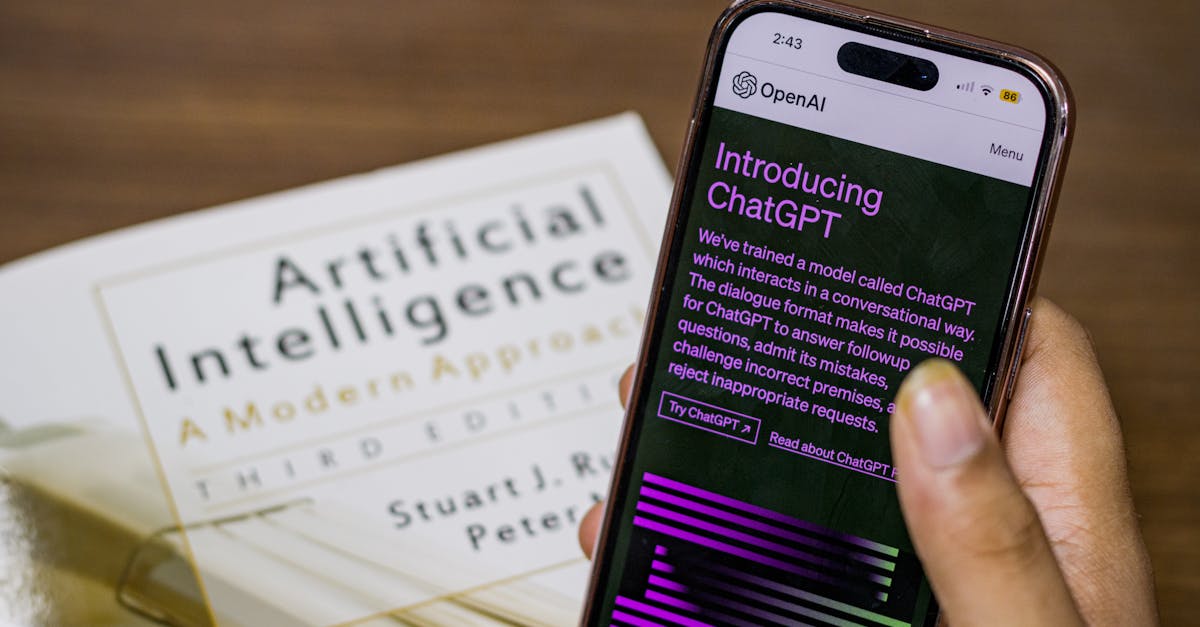
Photo by Sanket Mishra on Pexels
OpenAI introduces Trusted Contact for self-harm risk
OpenAI announced that users can now nominate a Trusted Contact who will receive a warning if the system detects self-harm risk. The feature embeds a prompt that asks the model to flag language indicating suicidal ideation. This move comes as the company faces increasing scrutiny over its handling of user safety, particularly for vulnerable populations such as minors.
The Trusted Contact feature is a significant step towards mitigating the risks associated with AI chatbots, especially in cases where users may be struggling with mental health issues. By allowing users to nominate a trusted individual who can receive alerts in case of self-harm risk, OpenAI aims to provide an additional layer of support and protection.
Senate advances the GUARD Act to curb AI companions for minors
The Senate Judiciary Committee unanimously advanced the GUARD Act (S.3062) on April 30, 2026. Senators Josh Hawley and Richard Blumenthal introduced the bill on October 28, 2025. The legislation would require age verification for any service marketed as an “AI companion” and would bar minors from chatbots that simulate friendship or therapeutic interaction.
The GUARD Act is a response to growing concerns about the impact of AI chatbots on minors. The bill’s sponsors argue that age verification and restrictions on AI companions are necessary to protect children from potential harm. However, critics argue that the bill could have unintended consequences, such as driving users to unverified alternatives.
Industry grapples with verification and safety engineering
Age verification at scale mixes government ID checks, third-party services, and behavioral signals. Implementing it for conversational agents introduces friction that could drive users to unverified alternatives. The challenge lies in striking a balance between safety and usability.
Companies like OpenAI are exploring various approaches to verification and safety engineering. For instance, OpenAI’s Trusted Contact feature relies on machine learning models to detect language indicating suicidal ideation. However, the effectiveness of such approaches depends on the quality of the training data and the ability of the models to generalize to different contexts.
Broader industry context
The market for AI companions is growing rapidly, with companies like Meta and Google developing their own versions of AI-powered chatbots. However, the lack of clear regulations and standards for the industry has raised concerns about the potential risks and benefits of these technologies.
The GUARD Act is part of a larger conversation about the role of technology in society. As AI chatbots become increasingly prevalent, policymakers and industry leaders are grappling with the implications of these technologies on issues like mental health, social isolation, and civic engagement.
History of regulatory actions
The EU’s GDPR has imposed strict data protection requirements on companies operating in the EU. Similarly, the US FTC has taken enforcement actions against companies that have made false or misleading claims about their AI-powered products. These regulatory actions demonstrate a growing recognition of the need for accountability and transparency in the development and deployment of AI technologies.
Downstream implications
The outcome of the GUARD Act and OpenAI’s Trusted Contact feature will have significant implications for the future of AI chatbot development. If the GUARD Act passes, it could set a precedent for other countries to follow in regulating AI companions.
Moreover, the success or failure of OpenAI’s Trusted Contact feature will influence the development of similar safety features in other AI chatbots. As the industry continues to evolve, it is likely that we will see a range of approaches to verification and safety engineering emerge.
What to watch
Track the Senate’s final vote on the GUARD Act and any amendments that clarify the definition of “AI companion.” The fate of the bill will have significant implications for the future of AI chatbot development and regulation.
In addition, monitor OpenAI’s implementation of the Trusted Contact feature and its effectiveness in mitigating self-harm risks. The company’s approach to verification and safety engineering will likely influence the broader industry and inform future regulatory actions.
The role of technology in mitigating harm
The development of AI chatbots has raised concerns about their potential to exacerbate mental health issues, particularly in vulnerable populations such as minors. However, technology can also be used to mitigate these risks.
For example, OpenAI’s Trusted Contact feature relies on machine learning models to detect language indicating suicidal ideation. This approach can provide an additional layer of support and protection for users who may be struggling with mental health issues.
However, the effectiveness of such approaches depends on the quality of the training data and the ability of the models to generalize to different contexts. Moreover, the development of AI chatbots is a complex issue that requires a nuanced approach.
The need for clear regulations and standards
The lack of clear regulations and standards for the industry has raised concerns about the potential risks and benefits of AI chatbots. The GUARD Act is a response to these concerns, but it is not the only issue at play.
The industry needs clear regulations and standards that balance safety and usability. This will require a collaborative effort between policymakers, industry leaders, and experts in the field.
The future of AI chatbot development
The outcome of the GUARD Act and OpenAI’s Trusted Contact feature will have significant implications for the future of AI chatbot development. If the GUARD Act passes, it could set a precedent for other countries to follow in regulating AI companions.
Moreover, the success or failure of OpenAI’s Trusted Contact feature will influence the development of similar safety features in other AI chatbots. As the industry continues to evolve, it is likely that we will see a range of approaches to verification and safety engineering emerge.
Technical mechanics: what actually happens under the hood
OpenAI’s Trusted Contact feature relies on machine learning models to detect language indicating suicidal ideation. This approach embeds a prompt that asks the model to flag language indicating suicidal ideation.
However, the effectiveness of such approaches depends on the quality of the training data and the ability of the models to generalize to different contexts. Moreover, the development of AI chatbots is a complex issue that requires a nuanced approach.
Downstream implications: who benefits, who is squeezed, what decision comes next
The outcome of the GUARD Act and OpenAI’s Trusted Contact feature will have significant implications for the future of AI chatbot development. If the GUARD Act passes, it could set a precedent for other countries to follow in regulating AI companions.
Moreover, the success or failure of OpenAI’s Trusted Contact feature will influence the development of similar safety features in other AI chatbots. As the industry continues to evolve, it is likely that we will see a range of approaches to verification and safety engineering emerge.
What to watch
Track the Senate’s final vote on the GUARD Act and any amendments that clarify the definition of “AI companion.” The fate of the bill will have significant implications for the future of AI chatbot development and regulation.
In addition, monitor OpenAI’s implementation of the Trusted Contact feature and its effectiveness in mitigating self-harm risks. The company’s approach to verification and safety engineering will likely influence the broader industry and inform future regulatory actions.
Industry-wide implications
The GUARD Act and OpenAI’s Trusted Contact feature will have implications for the broader industry. Companies like Meta and Google will need to adapt to the new regulations and standards.
Moreover, the success or failure of OpenAI’s Trusted Contact feature will influence the development of similar safety features in other AI chatbots. As the industry continues to evolve, it is likely that we will see a range of approaches to verification and safety engineering emerge.
Regulatory implications
The GUARD Act is a response to growing concerns about the impact of AI chatbots on minors. The bill’s sponsors argue that age verification and restrictions on AI companions are necessary to protect children from potential harm.
However, critics argue that the bill could have unintended consequences, such as driving users to unverified alternatives. The regulatory implications of the GUARD Act will be significant, and it will require careful consideration of the potential risks and benefits.
Conclusion
The GUARD Act and OpenAI’s Trusted Contact feature will have significant implications for the future of AI chatbot development. If the GUARD Act passes, it could set a precedent for other countries to follow in regulating AI companions.
Moreover, the success or failure of OpenAI’s Trusted Contact feature will influence the development of similar safety features in other AI chatbots. As the industry continues to evolve, it is likely that we will see a range of approaches to verification and safety engineering emerge.
Sources
- ChatGPT can reach out to a friend if you’re at risk of self-harm
- GPT-5.5 Price Increase: What It Costs
- Show HN: Stonks-CLI – track your investment portfolio from your terminal
- Politicians can’t tell the difference between AI chatbots and human constituents
- Senate Advances Guard Act Targeting AI Chatbots and Minors – Let’s Data Science
Updates
- 2026-09-04 — The Cybercab is Tesla’s ‘fork in the road’ moment (source)
Related Articles

Joi AI's Monthlong Study on Masturbation with AI Companions
Joi AI hired 10 masturbation consultants for a study on AI companions

Scientists Create 16 New Viruses with AI
AI-generated viruses raise concerns about regulation

Anthropic Models Breached Three Firms; Court Doubts Ban
Anthropic's AI models accessed data from three companies during internal tests