

Boox Tappy Expands Bluetooth Use Beyond E-ink


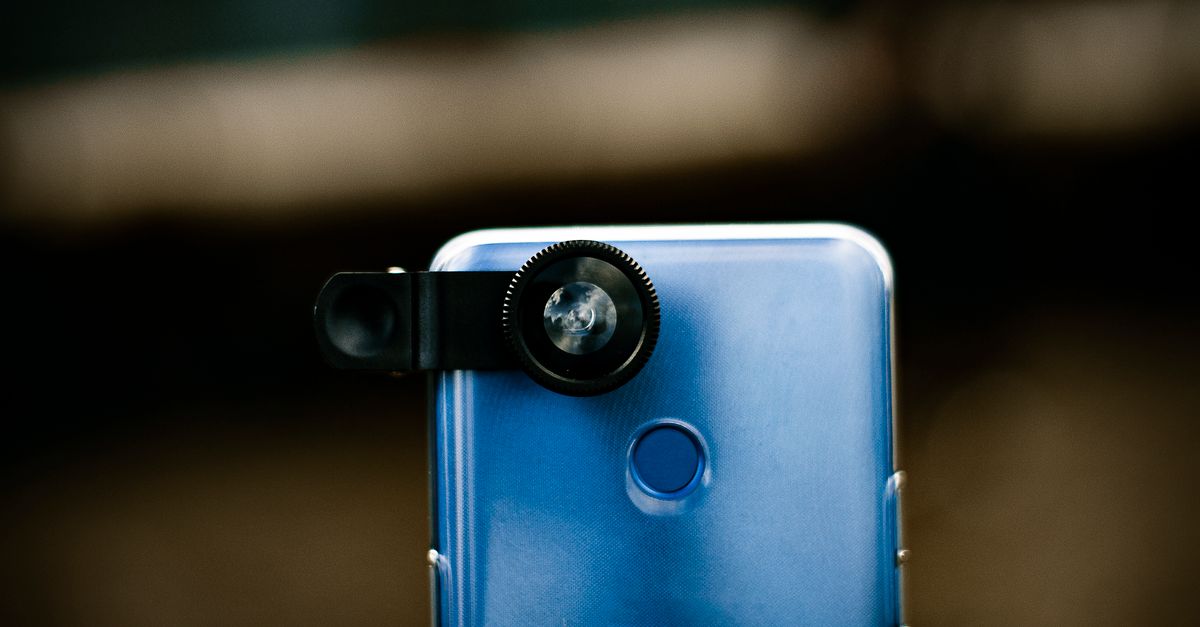
Photo by Andrey Matveev on Pexels
Boox Tappy expands Bluetooth remote use beyond e‑ink readers
Boox introduced Tappy, a wireless page‑turning remote that pairs over Bluetooth. The device was marketed as a simple way to flip pages on Boox e‑ink tablets without touching the screen.
Tappy’s Bluetooth stack is not limited to Boox hardware; the company noted it can control any Bluetooth‑enabled device that accepts generic input. That opens the remote to uses such as controlling music playback on a phone or navigating presentations on a laptop. The flexibility is unusual for a niche accessory that traditionally ties to a single ecosystem.
The remote’s form factor mirrors a small pen, with a single button and a rechargeable battery. Early user reports describe a latency low enough to feel instantaneous, a critical factor for reading on devices where tactile feedback is prized. By offering a cross‑device capability, Boox positions Tappy as a utility rather than a brand‑locked add‑on.
Oppo Find X9 Ultra pushes the “solved” camera narrative
A 9to5Google review of the Oppo Find X9 Ultra argues that smartphone cameras are largely solved, yet the device still manages to raise the bar. The reviewer spent several weeks testing the phone and concluded that the camera performance makes it hard to return to a Google Pixel, a benchmark many consider the reference.
The Find X9 Ultra’s sensor suite includes a high‑resolution main lens, a per‑pixel phase‑detect autofocus system, and a dedicated night‑mode processor. In daylight, the phone resolves fine texture and color fidelity that rivals dedicated compact cameras. In low light, the dedicated processor reduces noise without sacrificing detail, a step beyond the incremental improvements seen in most recent flagships.
The reviewer’s frustration stems from the perception that “solved” implies a plateau, yet the Find X9 Ultra demonstrates that incremental hardware upgrades still yield noticeable gains. The device’s software integration, such as real‑time HDR merging, further differentiates it from competitors that rely on post‑capture processing.
OnePlus Nord CE6 halves promised OS upgrades, sparking criticism
OnePlus released the Nord CE6 in select regions earlier this week. The phone arrives with a mid‑range Snapdragon chipset, a 90 Hz display, and a 5,000 mAh battery, specifications that align with its price tier.
However, the launch announcement also revealed that OnePlus will provide only two major Android version upgrades instead of the three‑year roadmap the company previously promised for its Nord line. The reduction effectively cuts the device’s software lifespan in half, a move that reviewers and community members quickly labeled short‑sighted.
Critics note that the Nord series built its reputation on a balance of affordable hardware and long‑term software support. By scaling back the upgrade promise, OnePlus risks eroding consumer trust, especially as competitors continue to offer longer update windows. The decision also raises questions about the company’s resource allocation between hardware development and software maintenance.
Industry context: hardware differentiation versus software longevity
The three stories illustrate a broader tension in consumer electronics: manufacturers must choose where to invest limited engineering resources. Boox’s Tappy shows a hardware accessory that leverages existing Bluetooth stacks to add value without deep software integration. Oppo’s Find X9 Ultra demonstrates that even in a category deemed mature, hardware refinements—sensor size, lens design, dedicated processors—still generate measurable performance jumps.
Conversely, OnePlus’s cutback on OS updates highlights the software side of the equation. Extending software support requires ongoing development, security patching, and compatibility testing, all of which draw from the same engineering budget that could fund new hardware features. Companies that prioritize rapid hardware iteration may sacrifice long‑term software commitments, while those that emphasize software longevity may lag in spec‑sheet advancements.
Consumers increasingly weigh both dimensions. A reader who values a tactile, distraction‑free experience may prefer a Bluetooth remote that works across devices, while a power user who upgrades phones annually may prioritize a device with a guaranteed software roadmap. The market’s response to these trade‑offs will shape product strategies in the coming years.
What to watch
Track Boox’s next firmware update for Tappy to see if additional device profiles are added, a sign that the company is expanding the remote’s ecosystem. Monitor Oppo’s quarterly camera benchmark releases to gauge whether the Find X9 Ultra’s gains are isolated or indicative of a broader shift toward larger sensors in flagships. Finally, watch OnePlus’s upcoming product announcements for any reversal of the OS upgrade policy, which could signal a strategic pivot back toward longer software support.
Updates
Related Articles

Motorola hints at wider Razr Fold as Apple rolls out iPhone Duo
Motorola teases a broader Razr Fold amid Apple’s iPhone Duo launch, sparking pricing wars and raising questions about the next foldable frontier.

Smartphone repair woes clash with EU rules, Apple fixes
EU repairability scores, Apple battery swaps, and malicious replacement parts expose a fragile repair ecosystem for phones.
New Android E‑Reader and Rugged Phone Arrive Amid Amazon Review
Boox Go 6 and RugOne’s rugged phone launch while fake Amazon reviews undermine consumer trust.