

Qualcomm hikes Snapdragon prices, tightening Android cost curve

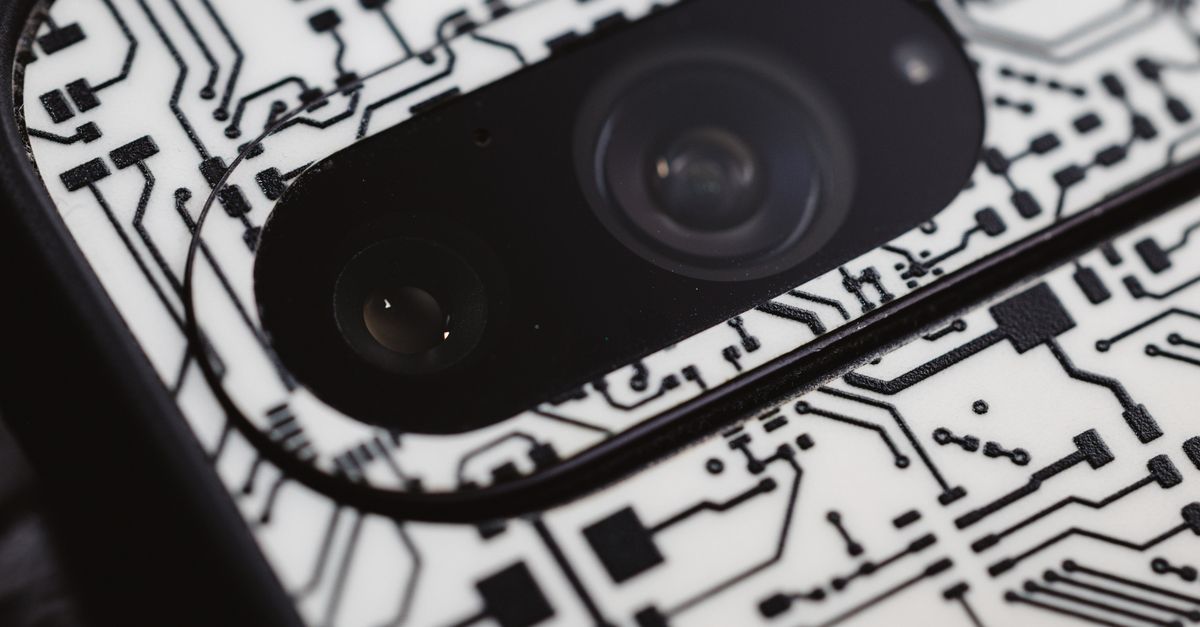
Photo by Sebastian Luna on Pexels
Qualcomm raised Snapdragon prices, sharpening cost pressure on Android OEMs.
The chipmaker announced a hike on its already‑expensive Snapdragon line, with industry observers noting the increase could run into double‑digit percentages, according to 9to5Google. The move arrives as Qualcomm and MediaTek face a shipment decline while Google and Samsung proprietary silicon eat into their market share in 2026.
OEM pricing pressure
Android manufacturers now confront a tighter cost structure. Snapdragon processors sit at the heart of flagship and mid‑range devices, and a price rise forces OEMs to either absorb the hit or pass it to consumers. Historically, Qualcomm has leveraged its performance lead to command premium pricing, but the latest adjustment pushes that premium higher.
For brands that rely heavily on Snapdragon‑based reference designs, the arithmetic is straightforward: a 10‑percent chip cost rise translates directly into a higher bill‑of‑materials figure. Smaller players, already operating on thin margins, may see profitability erode unless they switch to alternative silicon or redesign around lower‑cost parts.
Shift in SoC market share
The price hike coincides with a broader shift in the mobile SoC landscape. 9to5Google reported that both MediaTek and Qualcomm are seeing shipment drops as Google’s Tensor and Samsung’s Exynos chips claim a larger slice of the 2026 market. Proprietary silicon allows the two giants to integrate tightly with their own software stacks, reducing reliance on third‑party processors.
Google’s Tensor, now powering the Pixel line, has expanded its footprint even as overall smartphone shipments decline. Samsung’s Exynos, meanwhile, powers a growing portfolio of Galaxy devices, including its foldable series. The trend suggests that OEMs are willing to sacrifice the broad compatibility of Snapdragon in exchange for differentiated performance and tighter hardware‑software integration.
Samsung’s foldable UI tweak
While the SoC battle rages, Samsung slipped a usability improvement into its Galaxy Z Fold 8 series. The foldable now unlocks screen rotation automatically when the user opens the inner display, a quiet quality‑of‑life upgrade that sidesteps the need for manual toggling. The change, noted by 9to5Google, reflects Samsung’s focus on refining the user experience of its premium hardware.
The feature does not alter the device’s core specifications, but it illustrates how manufacturers can extract incremental value from existing platforms. In a market where hardware differentiation is narrowing, software‑driven tweaks become a subtle way to justify premium pricing.
Competitive dynamics and pricing strategies
Qualcomm’s decision underscores the delicate balance between maintaining a technology lead and preserving ecosystem health. By raising prices, the company signals confidence in the value of its performance envelope, yet it also risks accelerating the migration toward in‑house silicon.
Google and Samsung have demonstrated that a vertically integrated approach can offset higher component costs through software optimization and brand loyalty. For Android OEMs that lack such integration, the Snapdragon price increase may accelerate the search for alternative suppliers or spur the adoption of multi‑chip architectures that blend Qualcomm, MediaTek, and proprietary units.
The price pressure also reverberates downstream to consumers. Android device pricing has already trended upward as component costs climb, and a double‑digit chip price hike could push mid‑range smartphones into the premium tier. Retailers may respond with bundled services or financing offers to soften the impact.
What to watch
The next quarter will reveal whether Qualcomm’s price hike translates into higher retail prices or a shift in OEM sourcing strategies. Track announcements from major Android manufacturers for changes in bill‑of‑materials disclosures, and monitor Google’s and Samsung’s SoC roadmap updates for signs of further market realignment. A sustained increase in Snapdragon pricing could become a catalyst for broader industry consolidation around proprietary silicon.
Related Articles
Samsung’s fragmented Galaxy lineup faces design split
Leaks reveal the S27’s broken design language, the budget‑friendly A33 specs, and Samsung’s admission that passwords linger in plaintext on its devices.

Android 17 lands on Pixel, but OEMs face update maze
Android 17 debuts on Pixel in June 2026, bringing label‑hiding and live travel widgets while OEMs grapple with EU update rules and India’s new regulations.

New hardware quirks ring note‑taker AI feeder retro upgrades
A ring‑sized note taker, AI‑driven cat feeder, free retro‑handheld upgrades, E Ink tablets, and Android UI tweaks illustrate niche hardware shifts.