

Motorola ends Amazon app hijack

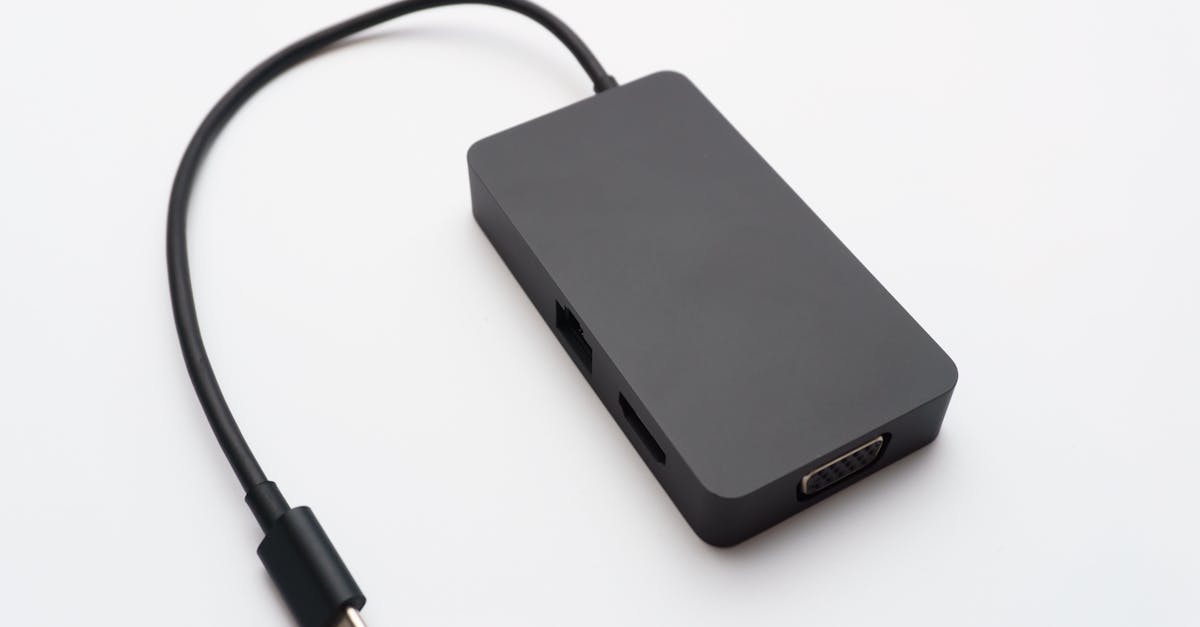
Photo by Aleksander Dumała on Pexels
Motorola stopped its phones from hijacking the Amazon app, a move that underscores growing scrutiny over mobile monetization as Google’s Pixel shipments dip and adapters promise a wired alternative.
The company confirmed to 9to5Google that the behavior—injecting affiliate data into Amazon’s app—was “unintended” and has been disabled. In the same quarter, Google shipped roughly 800,000 Pixel phones in the United States, a 7% year‑over‑year decline that left the brand in fourth place. Meanwhile, a wave of new adapters lets users bypass Wi‑Fi entirely, delivering Ethernet‑level performance without the mess of a cable run.
Wired performance without a wall‑run
Consumers who have endured flaky Wi‑Fi in cramped apartments now have a practical alternative. Recent adapters combine power‑line networking with a small dongle that plugs into a phone’s USB‑C port, converting existing electrical wiring into a data conduit. The result is a stable connection that rivals a direct Ethernet link while keeping the living room tidy.
For daily tasks—video calls, cloud IDE sessions, or streaming 4K content—the difference is palpable. Users report lower latency and fewer dropped packets, which translates to smoother meetings and fewer buffering wheels. The technology isn’t brand‑new, but the latest iterations have reduced latency to under 10 ms and support gigabit speeds, narrowing the gap that once made wired solutions a niche for gamers.
Motorola’s affiliate misstep
Motorola’s recent admission came after security researchers discovered that the firm’s firmware was appending affiliate identifiers to Amazon product links. The extra data redirected revenue to a third‑party network, inflating Motorola’s affiliate earnings without user consent. Motorola told 9to5Google the code was a mistake and has been removed from all current devices.
The incident raises a broader question about how manufacturers monetize apps pre‑installed on phones. Embedding affiliate logic in system software crosses a line that users expect manufacturers to respect. Even if the intent was benign, the outcome erodes trust and invites regulatory attention. Motorola’s quick rollback mitigates immediate fallout, but the episode will likely linger in discussions about app‑level revenue streams.
Pixel’s shipment slump
Google’s Pixel line held its fourth‑place ranking in the U.S. market during Q1 2026, but the brand shipped only about 800,000 units, down 7% from the same period last year. The decline reflects stiff competition from entrenched Android OEMs and the lingering impact of supply‑chain constraints that have hampered premium handset rollouts.
While the numbers are modest compared to Apple or Samsung, the trend signals that Google’s hardware ambitions face headwinds. The Pixel’s appeal has traditionally hinged on clean Android updates and superior camera software, yet those advantages have not translated into growth. Analysts note that without a compelling differentiator—whether a unique hardware feature or a pricing strategy—Pixel may continue to lose momentum.
The shifting connectivity playbook
The three stories intersect around a single theme: how mobile manufacturers balance performance, monetization, and user trust. On one hand, adapters that deliver wired reliability address a core pain point for power users, showing that hardware innovation still matters. On the other, Motorola’s affiliate slip demonstrates the perils of leveraging software for revenue without transparency.
Google’s shipment dip adds a market‑level perspective. When devices fail to gain traction, manufacturers may be tempted to embed hidden monetization tactics to boost margins. Yet the backlash against Motorola suggests that users and regulators are less tolerant of opaque practices. The industry appears to be at a crossroads where the push for better connectivity must coexist with ethical software design.
What to watch
Keep an eye on the next generation of power‑line adapters; early adopters will reveal whether the technology can scale beyond niche use cases. Monitor regulatory filings related to pre‑installed app monetization, as agencies may tighten rules after incidents like Motorola’s. Finally, watch Google’s Q2 2026 earnings for hints on whether the Pixel line will receive a hardware refresh or a pricing overhaul aimed at recapturing market share.
Related Articles
Connectivity Gaps Expose How Mobile
From iPhone handoff quirks to a Vodafone data‑center break‑in, new 5G trials and API‑management buyouts reveal hidden flaws in today’s network ecosystem.

Motorola hints at wider Razr Fold as Apple rolls out iPhone Duo
Motorola teases a broader Razr Fold amid Apple’s iPhone Duo launch, sparking pricing wars and raising questions about the next foldable frontier.
Dbrand, Xiaomi, and Pebblebee Unveil New Android Accessories
Dbrand launches thin MNML cases for Pixel phones, Xiaomi announces the Pad 9 Pro Max tablet, and Pebblebee adds neon Find Hub trackers to its lineup.