

Robotaxis' Remote Control Conundrum

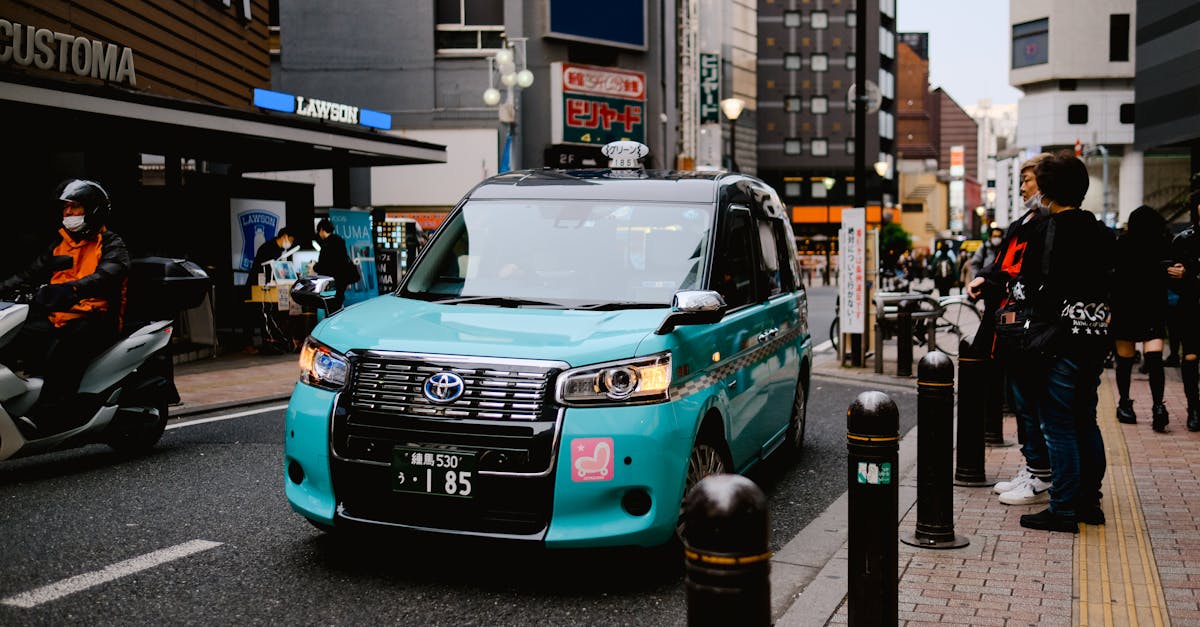
Photo by Ayyeee Ayyeee on Pexels
Stalled on Transparency
The use of remote assistance workers in autonomous vehicles (AVs) has come under scrutiny from US lawmakers. Senator Ed Markey (D-MA) recently sent letters to seven AV companies, including Aurora, May Mobility, and Waymo, questioning their use of remote staff to guide vehicles. The companies refused to disclose how often their vehicles relied on human input.
Markey’s investigation revealed a ‘stunning lack of transparency’ from AV companies regarding their use of remote assistance operators. This lack of transparency raises concerns about accountability and safety on public roads.
The Stakes
The AV industry is rapidly expanding, with companies like Waymo and Cruise operating commercially in several US cities. However, the use of remote assistance workers raises questions about the level of human intervention required to operate these vehicles safely.
Waymo, for example, has about 70 remote assistance agents on duty worldwide at any given time. These workers are based in Arizona, Michigan, and the Philippines, and respond to specific requests for information from the self-driving system.
A New Regulatory Landscape
Markey is now calling on the National Highway Traffic Safety Administration (NHTSA) to investigate companies’ use of remote assistance workers. He is also working on legislation to impose strict guardrails on AV companies’ use of remote operators.
The NHTSA investigation could have significant implications for the AV industry, potentially leading to new regulations and standards for the use of remote assistance workers.
The Industry’s Rapid Expansion
The autonomous vehicle industry has seen significant investments from major companies like Alphabet, General Motors, and Ford. This investment has led to the rapid expansion of AV companies, with many operating commercially in several US cities.
However, this expansion has also led to concerns about safety and accountability. The use of remote assistance workers is just one aspect of the AV regulatory landscape. As the industry continues to evolve, we can expect to see more stringent regulations and standards emerge.
History of Remote Assistance in AVs
The use of remote assistance workers in AVs is not a new phenomenon. Companies like Waymo have been using remote assistance workers for years to help guide their vehicles. However, the extent of this practice and the implications for safety and accountability have only recently come under scrutiny.
Technical Mechanics of Remote Assistance
Remote assistance workers play a crucial role in the operation of AVs. They are responsible for responding to specific requests for information from the self-driving system. This can include tasks like identifying road signs or pedestrians.
The use of remote assistance workers highlights the complexity and challenges of creating fully autonomous vehicles. While AV companies are pushing the boundaries of autonomous technology, regulators are seeking to ensure public safety and accountability.
Downstream Implications
The use of remote assistance workers in AVs has significant implications for the industry. Companies will need to be more transparent about their use of remote assistance workers and demonstrate the safety and effectiveness of their systems.
The outcome of Markey’s investigation and the potential NHTSA probe will be closely watched by industry stakeholders and the public. One thing is certain: the use of remote assistance workers in AVs is no longer a behind-the-scenes issue.
What’s Next
The AV industry is likely to face increased scrutiny from regulators and lawmakers in the coming months. Companies will need to be more transparent about their use of remote assistance workers and demonstrate the safety and effectiveness of their systems.
The development of AVs is rapidly advancing, with significant investments from major companies. However, the use of remote assistance workers highlights the complexity and challenges of creating fully autonomous vehicles.
Companies’ Use of Remote Assistance
Several AV companies, including Tesla, have acknowledged using remote assistance workers to guide their vehicles. However, the extent of this practice and the implications for safety and accountability remain unclear.
Tesla, for example, has revealed that its remote assistance workers are authorized to temporarily assume direct vehicle control as a final escalation maneuver.
A Delicate Balance
The AV industry is walking a delicate balance between innovation and regulation. While companies are pushing the boundaries of autonomous technology, regulators are seeking to ensure public safety and accountability.
The use of remote assistance workers is just one aspect of the AV regulatory landscape. As the industry continues to evolve, we can expect to see more stringent regulations and standards emerge.
The Future of AVs
The development of AVs is rapidly advancing, with significant investments from major companies like Alphabet, General Motors, and Ford. However, the use of remote assistance workers highlights the complexity and challenges of creating fully autonomous vehicles.
As the industry moves forward, it will be essential to address the concerns surrounding remote assistance workers and ensure that AVs are safe, reliable, and transparent.
Broader Industry Context
The autonomous vehicle industry is part of a larger mobility landscape, which includes companies like Uber, Lyft, and micromobility startups. The use of remote assistance workers in AVs has implications for the broader industry, particularly in terms of safety and accountability.
The AV industry’s use of remote assistance workers also raises questions about the future of work and the role of human operators in autonomous systems.
Regulatory History
The use of remote assistance workers in AVs is not a new issue. Regulators have been grappling with the implications of autonomous technology for years, and the use of remote assistance workers is just one aspect of this broader regulatory landscape.
The National Highway Traffic Safety Administration (NHTSA) has been actively engaged with the AV industry, and has issued guidelines and regulations for the development and deployment of autonomous vehicles.
Technical Details
The technical mechanics of remote assistance in AVs are complex and involve a range of systems and technologies. Remote assistance workers use a variety of tools and platforms to respond to requests for information from the self-driving system.
The use of remote assistance workers also raises questions about the safety and effectiveness of AV systems. Companies will need to demonstrate that their systems are safe and reliable, and that the use of remote assistance workers does not compromise public safety.
Conclusion
The use of remote assistance workers in AVs is a complex issue that raises questions about safety, accountability, and the future of work. As the industry continues to evolve, we can expect to see more stringent regulations and standards emerge.
Companies will need to be more transparent about their use of remote assistance workers and demonstrate the safety and effectiveness of their systems. The outcome of Markey’s investigation and the potential NHTSA probe will be closely watched by industry stakeholders and the public.
Updates
- 2026-08-01 — iOS 27 breaks 15 years of muscle memory on iPhone and iPad (source)
- 2026-05-30 — EY Canada published a cybersecurity report and most citations were hallucinated (source)
- 2026-05-27 — iOS 26.5 gave Messages app encrypted RCS, here’s how to check it’s working (source)
- 2026-05-20 — Everything in C is undefined behavior (source)
Related Articles
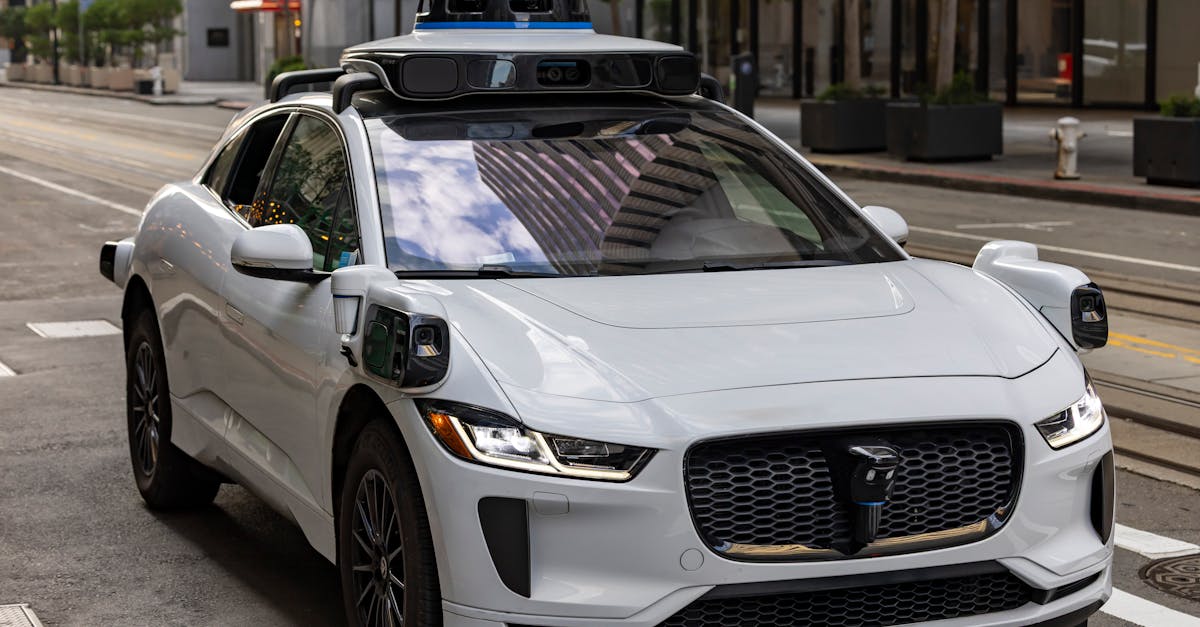
Waymo robotaxis drive into floods, service paused
Waymo pauses robotaxi service in four cities due to flooding issues

Hyperloop Test Track Breaks Ground as Uber Rolls Out London
Hyperloop Transportation Technologies begins building a five‑mile test tube in Quay Valley while Uber launches supervised robotaxis in London, highlighting a new wave of autonomous transport.
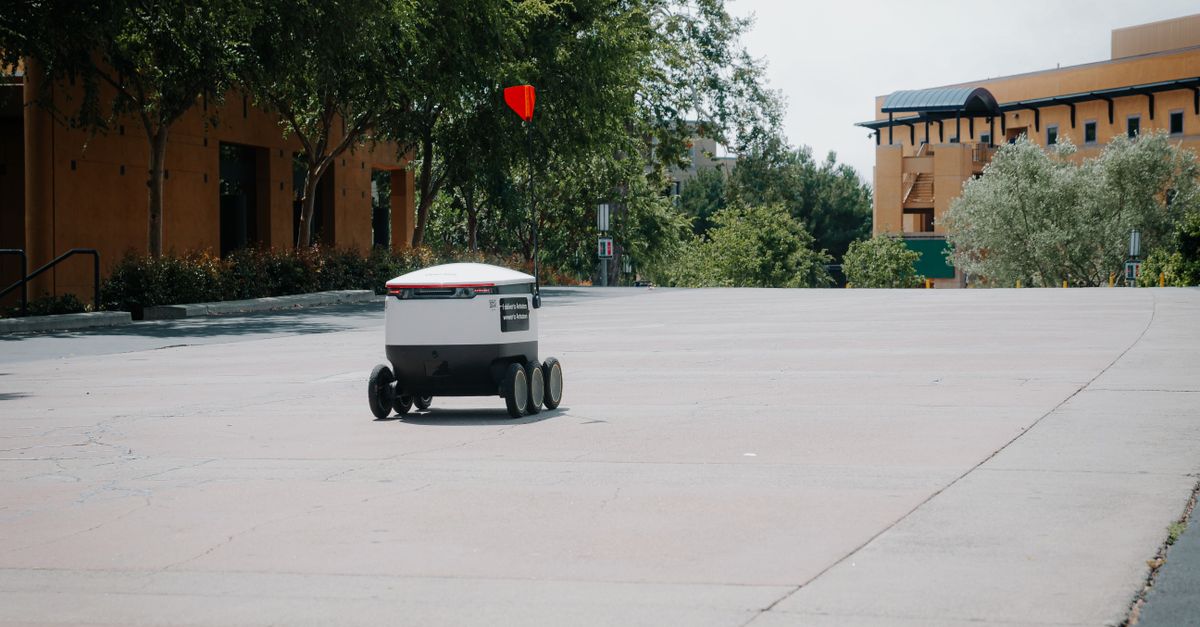
Robotaxis expose hidden labor costs as AI spreads across industry
Robotaxis cut travel time but widen workforce gaps, while AI automation expands from mining to data centers and personal devices.