

Mercedes-Benz Commits to Bringing Back Physical Buttons

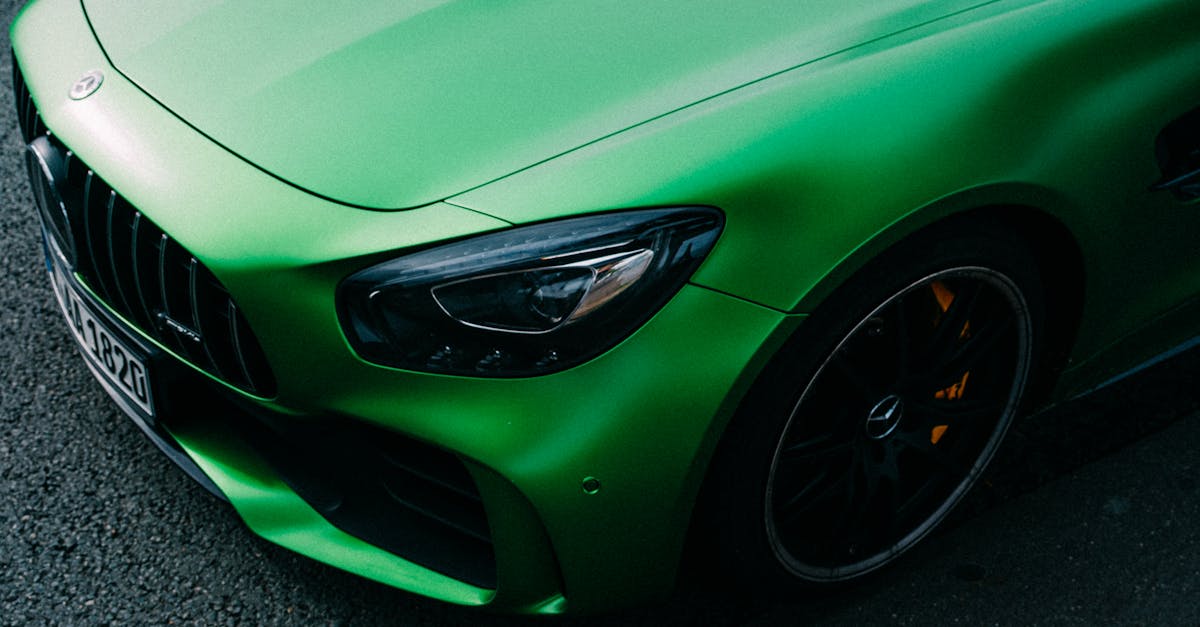
Photo by Mathias Reding on Pexels
A Shift in Design Philosophy
Mercedes-Benz is reversing its approach to in-car controls, committing to bring back physical buttons. The German automaker had previously moved towards a more minimalist design, emphasizing touchscreens and capacitive controls. This shift towards a more digital interface was driven by a desire for a streamlined and modern aesthetic.
The Problem with Touchscreens
The push towards touchscreens in vehicles has been driven by a desire for a more streamlined and modern aesthetic. However, this approach prioritizes form over function. In contrast, physical buttons provide a more tactile and intuitive interface, allowing drivers to navigate and adjust settings without taking their eyes off the road. This is particularly important for safety reasons, as drivers should minimize distractions while driving.
Industry Context
The automotive industry has been trending towards more digital and connected vehicles, with many manufacturers investing heavily in infotainment systems. According to a report by Statista, the global market for in-car infotainment systems was valued at approximately $20.4 billion in 2020. This trend is expected to continue, with more manufacturers incorporating advanced technology into their vehicles. For instance, companies like Tesla and Audi have been at the forefront of integrating complex infotainment systems into their vehicles. However, Mercedes-Benz’s decision to bring back physical buttons may signal a shift in the industry’s approach to in-car controls.
History of In-Car Controls
The use of physical buttons in vehicles dates back to the early days of automotive manufacturing. In the 1970s and 1980s, cars typically featured a range of physical controls, including buttons, knobs, and switches. However, as technology advanced, many manufacturers began to move towards more digital interfaces. This shift was driven by a desire for a more modern and streamlined aesthetic, as well as the increasing availability of advanced technology. The reintroduction of physical buttons by Mercedes-Benz can be seen as a return to a more traditional approach to in-car controls.
Technical Mechanics
The decision to bring back physical buttons reflects a deeper understanding of how drivers interact with their vehicles. Research has shown that physical buttons can be more intuitive and easier to use than touchscreen interfaces, particularly while driving. This is because physical buttons provide a tactile feedback that is not available with touchscreen interfaces. Additionally, physical buttons can be designed to be more ergonomic and accessible, reducing driver fatigue and improving overall safety. For example, Mercedes-Benz’s new design will feature buttons for common functions like climate control and audio adjustments, making it easier for drivers to access these features without distraction.
Downstream Implications
The reintroduction of physical buttons by Mercedes-Benz is likely to have significant implications for the automotive industry. Other manufacturers may follow suit, leading to a shift away from touchscreen interfaces and towards more traditional controls. This could also lead to changes in the way that vehicles are designed and manufactured, with a greater emphasis on usability and safety. Furthermore, this shift may influence the development of future in-car technologies, such as voice-controlled interfaces and gesture-based controls.
Safety and Usability
The emphasis on safety and usability in Mercedes-Benz’s new design is a critical aspect of their decision to bring back physical buttons. By providing a more intuitive and accessible interface, Mercedes-Benz aims to reduce driver distraction and improve overall safety. This approach is in line with research that suggests that physical buttons can be more effective in reducing driver distraction than touchscreen interfaces.
Conclusion
Mercedes-Benz’s decision to bring back physical buttons prioritizes usability over aesthetics. While the move towards touchscreen interfaces was driven by a desire for a modern and streamlined aesthetic, the reintroduction of physical buttons reflects a deeper understanding of how drivers interact with their vehicles. By prioritizing usability and safety, Mercedes-Benz is setting a new standard for the automotive industry.
What to Watch
The next Mercedes-Benz models featuring the updated controls are expected to arrive in the near future. It will be interesting to see how other manufacturers respond to this shift, and whether the industry as a whole will move towards more traditional controls. Additionally, it will be important to monitor the impact of this change on driver safety and satisfaction.
Future Developments
As the automotive industry continues to evolve, it is likely that we will see further innovations in in-car controls. The integration of advanced technologies like artificial intelligence and machine learning may lead to the development of more sophisticated and intuitive interfaces. However, Mercedes-Benz’s decision to bring back physical buttons serves as a reminder that sometimes, the simplest solutions can be the most effective.
The reintroduction of physical buttons by Mercedes-Benz is a significant development in the automotive industry. By prioritizing usability and safety, Mercedes-Benz is setting a new standard for the industry. As the industry continues to evolve, it will be interesting to see how other manufacturers respond to this shift, and what implications it has for the future of in-car controls.
Updates
- 2026-09-01 — Razer Prio is an Android and iPhone game controller that folds down to roughly the size of a credit card (source)
- 2026-08-29 — Pixel 11 vs. Pixel 11 Pro: More similar than ever before [Video] (source)
- 2026-08-25 — Take a look at Microsoft’s new 25th anniversary Halo accessories (source)
Related Articles

Googlebook challenges Apple’s retail play as Mac Studio prices
Google’s $899 AI‑native laptop and Apple’s store‑first philosophy clash amid rising component costs and AI‑driven hardware bets.
Xiaomi MiMo 2.6, Grok 4.7, and a Wave of Mid‑Month Tech Setbacks
A roundup of Xiaomi's MiMo 2.6 launch, x.ai's Grok 4.7 update, NASA's Mars Sample Return cancellation, and other mid‑September tech headlines.
Apple's rapid RC rollout pressures macOS developers
Apple released second release candidates for macOS Tahoe and Sequoia, while beta streams for Golden Gate and iOS 27.2 accelerate, sparking developer strain and highlighting ecosystem frictions.