

Waymo robotaxis drive into floods, service paused

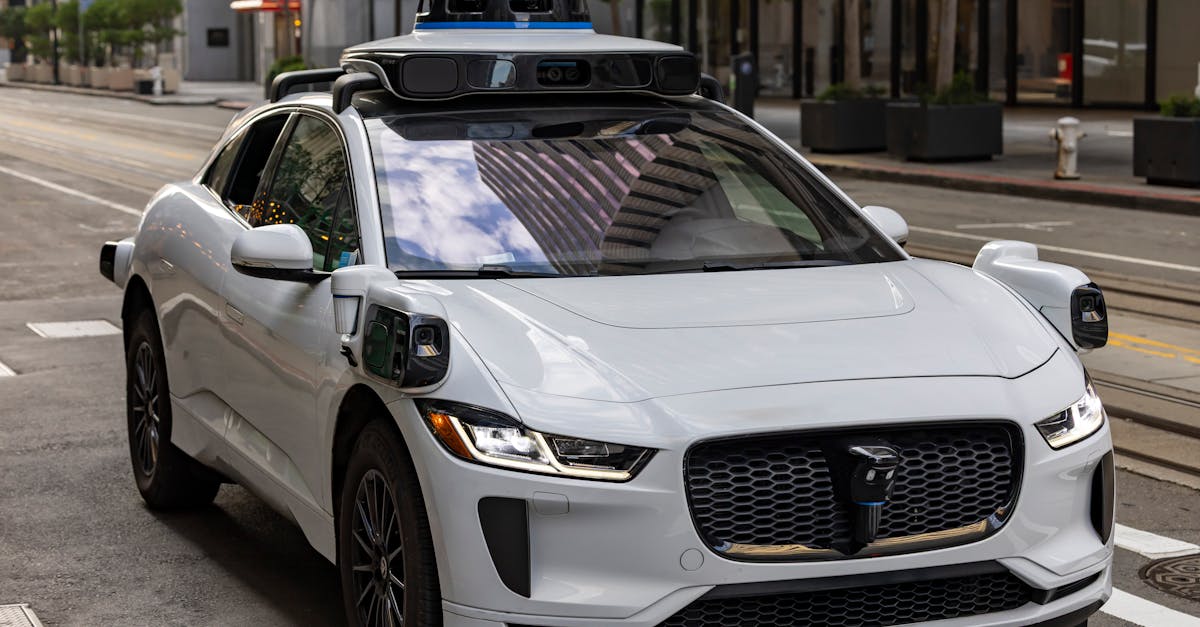
Photo by Stephen Leonardi on Pexels
Waymo’s Flooded Roads Problem
Waymo’s robotaxi service is suspended in four cities after its vehicles encountered flooded roads. A robotaxi got stuck in a flooded street in Atlanta, Georgia, for about an hour. The vehicle was recovered and removed from the scene, according to Waymo. This incident occurred despite the company’s efforts to address the issue through a software recall.
The Technical Challenge
The current software update may not be sufficient to handle all flood-related scenarios. A robotaxi still entered a flooded intersection in Atlanta after a storm produced significant rainfall before a National Weather Service warning. Waymo issued a software recall last week with precautions to avoid flooded areas, but the incident indicates that further improvements are needed.
Industry Context
Autonomous vehicles face significant challenges in adverse weather conditions. Heavy rain and flooding can reduce visibility and make road conditions unpredictable. Other companies, such as Cruise and Argo AI, have also faced difficulties in testing and deploying their autonomous vehicles in various weather conditions. The market size for autonomous vehicles is substantial, with many companies investing heavily in the technology. According to recent reports, the global autonomous vehicle market is expected to reach $126 billion by 2025.
Regulatory Scrutiny
The National Highway Traffic Safety Administration and the National Transportation Safety Board are investigating. This incident follows a recall for problematic behavior with its robotaxis. The regulators’ actions will likely determine the next steps for Waymo’s service. If the investigations reveal that Waymo’s software is inadequate, the company may be required to make significant changes to its technology.
History of Incidents
This is not the first time autonomous vehicles have faced challenges in weather conditions. In 2018, an Uber self-driving car was involved in a fatal accident in Arizona, which raised concerns about the safety of autonomous vehicles in various weather conditions. Waymo has also faced scrutiny in the past for its handling of incidents involving its robotaxis. For example, in 2020, Waymo recalled its vehicles after a series of incidents involving pedestrians.
Downstream Implications
The suspension highlights the challenges of deploying autonomous vehicles in unpredictable weather conditions. The regulators’ actions will likely determine the next steps for Waymo’s service. If Waymo is unable to resolve the issue, it may impact the company’s ability to expand its service to other cities. Additionally, the incident may have implications for the broader autonomous vehicle industry, as regulators and lawmakers may re-examine the safety and efficacy of autonomous vehicles in various weather conditions.
Technical Mechanics
Waymo’s robotaxis use a combination of sensors, including lidar, cameras, and radar, to navigate roads. However, the company’s software may not be sophisticated enough to handle all flood-related scenarios. The design choice to rely on these sensors may have contributed to the incident. Further analysis is needed to determine the root cause of the issue and to develop effective solutions.
Consequence
The suspension of Waymo’s robotaxi service in four cities will likely have significant consequences for the company. If Waymo is unable to resolve the issue, it may impact the company’s reputation and financial performance. The incident may also have implications for the broader autonomous vehicle industry, as regulators and lawmakers may re-examine the safety and efficacy of autonomous vehicles in various weather conditions. Ultimately, the outcome will depend on Waymo’s ability to address the technical challenges and regulatory concerns.
Future Directions
To move forward, Waymo will need to develop more sophisticated software that can handle complex weather scenarios. The company may need to invest in additional research and development to improve its technology. Furthermore, Waymo will need to work closely with regulators to ensure that its vehicles meet safety standards. The incident serves as a reminder of the challenges and complexities involved in developing autonomous vehicles.
Related Articles
Robotaxis' Remote Control Conundrum
US lawmakers press autonomous vehicle companies for transparency on remote assistance workers as regulators probe human operators guiding robotaxis on public roads.
Waymo Tightens Age Rules as AV Industry Faces New Challenges
Waymo adds age verification checks to restrict solo minors in driverless cars while industry players form new partnerships and grapple with public safety concerns.

Hyperloop Test Track Breaks Ground as Uber Rolls Out London
Hyperloop Transportation Technologies begins building a five‑mile test tube in Quay Valley while Uber launches supervised robotaxis in London, highlighting a new wave of autonomous transport.