

Scientists Turn Battery Tester Into Coffee Flavor Meter

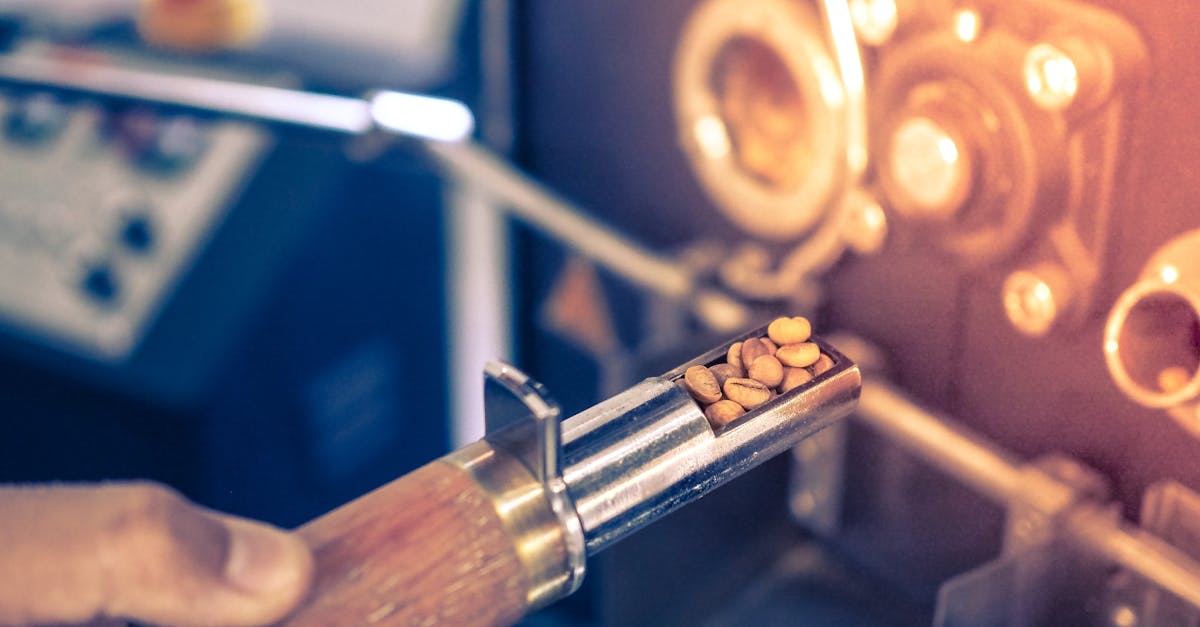
Photo by Chevanon Photography on Pexels
A battery tester now reads coffee
The University of Oregon team swapped a lab instrument for a coffee‑shop tool. They connected a battery‑testing device to a coffee sample and recorded voltage swings that correlate with flavor compounds.
The researchers used a standard electrochemical analyzer—normally employed to gauge lithium‑ion cell performance—to capture the coffee’s electrochemical signature. By calibrating the device against known roast profiles, they produced a repeatable curve that distinguishes a bright Ethiopian from a muted Sumatra. The work appeared in an Ars Technica feature on April 2026.
Electrochemistry as a flavor proxy
Coffee’s taste emerges from a cocktail of acids, sugars, and aromatic oils. Traditional cupping relies on human perception, which varies across tasters and over time. An electrochemical readout offers a numeric anchor that sidesteps subjectivity.
In the Oregon study, the instrument measured current responses as the brew passed through a set of electrodes. Peaks in the current matched concentrations of chlorogenic acids and quinic acid, two markers of roast level. The authors reported a correlation coefficient above 0.9 between the electrochemical curve and a professional cupping score. That level of alignment suggests the method could flag off‑spec batches before they reach consumers.
Repurposing high‑tech gear across domains
The coffee project joins a growing list of scientists retooling heavyweight equipment for niche problems. At Oak Ridge, the Summit supercomputer—originally built for nuclear simulations—was granted emergency time to screen billions of drug‑compound interactions against COVID‑19 spike proteins. Researchers reported that Summit’s speed cut weeks of lab work into days, accelerating the early stages of antiviral discovery.
A similar pivot occurs at Lawrence Livermore, where a team built a breathable “second skin” fabric using carbon‑nanotube membranes. The material, funded by the Defense Threat Reduction Agency, can close its pores when a chemical threat is detected, yet still lets sweat evaporate. Both cases illustrate how platforms designed for defense or high‑performance computing can solve civilian challenges when their core capabilities—massive data processing or precise material control—are redirected.
The broader push for smarter food analysis
Industrial robotics researchers at MIT’s Work of the Future Initiative warn that automation adoption stalls when tools lack flexibility for small‑scale producers. The battery‑tester hack demonstrates a low‑cost, adaptable sensor that could be mounted on a production line without overhauling existing infrastructure. If coffee roasters integrate such probes, they could monitor each batch in real time, reducing waste and improving consistency.
The technique also dovetails with efforts to embed AI into sensory evaluation. DARPA’s Competency‑Aware Machine Learning program seeks models that admit uncertainty. Pairing an electrochemical fingerprint with a learning algorithm could let a system flag “unknown” flavor profiles, prompting human review rather than blind acceptance.
What to watch
The next step for the Oregon team is field testing in commercial roasteries. Their upcoming Phase 2 will compare the sensor’s predictions against blind taste panels across three major coffee brands. Stakeholders should track the pilot’s results, the cost per unit of the adapted instrument, and any standards bodies that reference electrochemical metrics for coffee grading. If the data hold up, the industry may see a shift from subjective cupping notes to objective voltage curves.
Updates
- 2026-07-26 — ‘The Odyssey’ Was Made for Imax 70mm. Good Luck Watching It That Way (source)
- 2026-05-28 — RSI is the new AGI — and it’s just as hard to pin down (source)
- 2026-05-13 — Introducing the 6 stages at TechCrunch Disrupt 2026 — built for today’s tougher startup market (source)
- 2026-04-29 — Google Search queries hit an ‘all time high’ last quarter (source)
Related Articles

AI Personas Flip Coffee Preference After Sideways‑Inspired
Rally’s new memory feature showed a 76‑point swing from Folgers to Ethiopian beans when AI personas were primed with a Sideways‑style narrative.
Bacteria, Coffee and Neanderthal Brains Upend Assumptions
New research shows necrotizing bacteria can consume tissue in days, electrical testing reshapes coffee profiling, and Neanderthal brains match modern size.

Googlebook challenges Apple’s retail play as Mac Studio prices
Google’s $899 AI‑native laptop and Apple’s store‑first philosophy clash amid rising component costs and AI‑driven hardware bets.