

Bacteria, Coffee and Neanderthal Brains Upend Assumptions

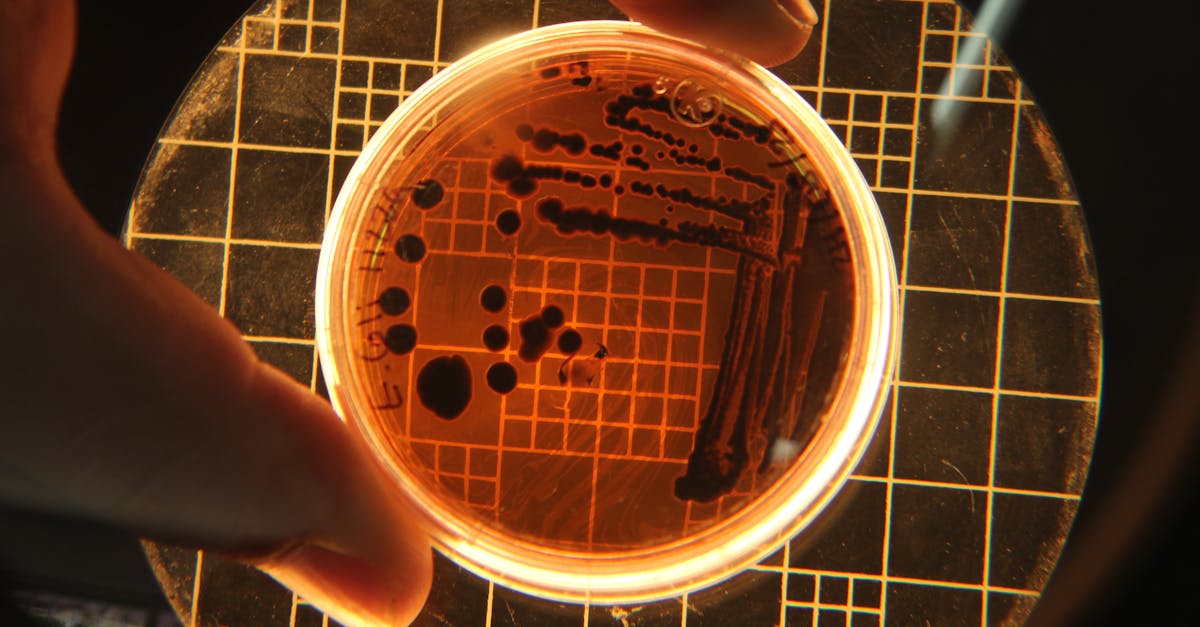
Photo by Wassily Kandark on Pexels
Necrotizing bacteria devoured a patient’s arm and leg in three days, a repurposed battery‑testing tool mapped coffee flavor, and a brain scan suggested Neanderthal skulls match modern volume. The convergence of these findings forces engineers, clinicians, and paleo‑anthropologists to revisit long‑standing assumptions about decay, taste measurement, and brain evolution.
When doctors first examined the victim, his limbs were discolored and crackling, a visual cue that the infection had already compromised tissue integrity. University of Oregon scientists took a battery‑testing instrument—normally used to gauge electrical current flow—and turned it on a coffee brew to extract a more granular flavor profile. Meanwhile, a comparative analysis of fossilized Neanderthal crania concluded that the observable differences from Homo sapiens brains were largely cosmetic, not volumetric.
Rapid Tissue Decay Under Necrotizing Bacteria
The case of the three‑day limb loss underscores how aggressively necrotizing fasciitis can progress. Within hours of infection, bacterial enzymes break down connective tissue, a process that can turn healthy flesh into a brittle, crackling mass. Clinicians rely on visual cues such as discoloration to decide whether amputation is inevitable. The speed of this particular case—three days from first symptoms to complete loss of arm and leg—places it among the most extreme documented progressions.
Treatment protocols remain anchored in early surgical debridement and broad‑spectrum antibiotics. Yet the speed of decay in this instance suggests that standard warning thresholds may be too generous for certain bacterial strains. Researchers are calling for tighter monitoring of tissue perfusion and faster escalation to surgical intervention when discoloration and crackling appear together.
Electrical Current as a Coffee Flavor Probe
University of Oregon researchers repurposed a battery‑testing tool to interrogate coffee’s flavor chemistry. The device measures how electrical current passes through a liquid, yielding a signature that correlates with perceived taste attributes. By applying the same principle used to test battery health, the team generated a repeatable profile that distinguishes subtle variations between beans, roast levels, and brewing methods.
The approach sidesteps traditional sensory panels, which are costly and subject to human bias. Instead, the electrical signature offers an objective metric that can be logged, compared, and optimized at scale. Early trials indicate that the method can detect differences invisible to standard spectroscopic techniques, opening a path for manufacturers to calibrate flavor consistency without relying solely on human tasters.
Neanderthal Brain Size Mirrors Modern Humans
A recent comparative study of Neanderthal cranial casts found that overall brain volume aligns closely with that of contemporary Homo sapiens. The researchers emphasized that the remaining distinctions appear to be cosmetic—variations in skull shape and surface morphology—rather than indicative of a smaller or less capable brain. This challenges the lingering narrative that Neanderthals possessed markedly inferior cognitive capacity.
The conclusion rests on high‑resolution imaging and volumetric reconstruction, methods that have become standard in paleo‑anthropology. By focusing on raw volume rather than surface features, the study strips away assumptions tied to facial reconstruction and instead highlights the anatomical parity between the two species.
Cross‑Disciplinary Implications
Each of these findings reshapes expectations within its field. The necrotizing infection case forces emergency medicine to reconsider how quickly tissue can become unsalvageable, potentially prompting revisions to triage guidelines. The coffee‑flavor measurement demonstrates that tools from electrical engineering can solve sensory problems, hinting at a broader trend of cross‑pollinating hardware across unrelated industries.
The Neanderthal brain result feeds into a larger debate about what drives behavioral differences among hominins. If volume is comparable, researchers must look to neural connectivity, gene expression, and cultural context to explain divergent tool use and social structures. In practice, this may shift funding toward functional imaging of ancient DNA rather than further volumetric surveys.
What to Watch
Clinicians should monitor emerging protocols that incorporate rapid visual diagnostics for necrotizing fasciitis, especially any guidelines that lower the threshold for surgical action. Coffee producers and equipment makers will likely test the battery‑tool method in pilot runs; the next data point will be whether the electrical signature can be standardized across bean varieties. Paleo‑anthropologists are poised to publish follow‑up work on Neanderthal neural wiring; the key metric to track will be any functional imaging that links brain structure to archaeological evidence of tool complexity. Keeping an eye on these three fronts will reveal whether the initial shock of each discovery settles into practical change or fades as a curiosity.
The article draws on reports from Ars Technica on a necrotizing infection case, a University of Oregon coffee‑flavor study, and a comparative analysis of Neanderthal brain volume.
Updates
Related Articles
Boggle Boards, Snail Eyes, and Ancient Secrets
From a record‑setting Boggle board to snails that regrow eyes, new research reshapes quirky corners of science.
Sci-Hub fined $15M as SETI gets $200M boost
A US court slapped Sci-Hub with a $15 million judgment while the SETI Institute secured a $200 million endowment, highlighting divergent paths in scientific funding.
The Dark Side of Science: Reevaluating Popular Claims
Researchers challenge popular scientific claims, including the benefits of power posing and Calico's secrecy in aging research.