

The Dark Side of Science: Reevaluating Popular Claims


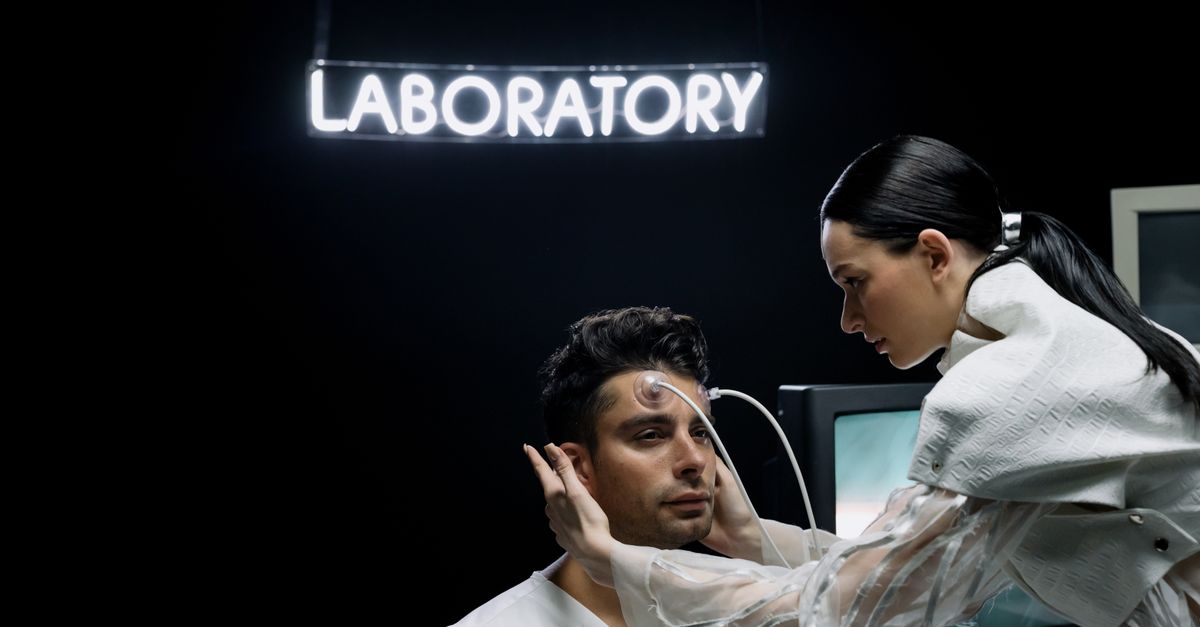
Photo by MART PRODUCTION on Pexels
The Dark Side of Science: Reevaluating Popular Claims
Science is built on the foundation of skepticism and rigorous testing, but some research has been overstated or misinterpreted. Two recent examples highlight the issues with scientific overreach and the importance of transparency.
The Power Pose Problem
The concept of power posing, popularized by Harvard Business School social psychologist Amy Cuddy, suggests that assuming certain postures can increase confidence and reduce stress. However, a replication study led by Eva Ranehill found no effect, casting doubt on the original findings. This example illustrates the problem of scientific overreach, where bold claims are made based on limited evidence.
Calico’s Secrecy Raises Concerns
Google’s Calico, a $1.5 billion venture focused on understanding aging, has been criticized for its secrecy. Despite its ambitious mission, the company has not shared much information about its research or progress. This lack of transparency is unusual in the scientific community, where openness and data sharing are valued. Researchers have expressed frustration and confusion about Calico’s approach, which may hinder collaboration and progress in the field.
The Importance of Transparency and Replication
These examples highlight the need for transparency and replication in scientific research. By sharing data and methods, researchers can build trust and ensure that findings are robust. Replication studies, like the one on power posing, can help to confirm or challenge existing results. As the scientific community continues to evolve, it is essential to prioritize transparency, skepticism, and rigor.
A History of Science Overreach
There have been many instances of science overreach in the past, where claims have been made that were not supported by evidence. For example, the concept of “priming” in psychology, which suggests that subtle cues can influence behavior, has been widely criticized for its lack of replicability. The scientific community has a responsibility to be transparent and rigorous in its methods, and to avoid making claims that are not supported by data. By learning from past mistakes, researchers can improve their methods and ensure that findings are reliable.
The Technical Mechanics of Scientific Research
Scientific research relies on a range of technical methods, including statistical analysis, experimental design, and data collection. However, these methods can be flawed or biased, leading to incorrect conclusions. For instance, the use of p-values in statistical analysis has been criticized for its limitations and potential for misinterpretation. By understanding the technical mechanics of scientific research, researchers can better evaluate the validity of findings and identify areas for improvement.
Downstream Implications
The implications of scientific research can be far-reaching, influencing policy, practice, and public opinion. For example, the findings on power posing have been used to inform business and education practices, despite the lack of robust evidence. Similarly, Calico’s research on aging could have significant implications for public health, but its secrecy raises concerns about the validity and reliability of its findings. By considering the downstream implications of scientific research, researchers can better evaluate the potential impact of their work and ensure that it is used responsibly.
What to Watch
As researchers continue to investigate the mechanisms of human behavior and aging, it is crucial to monitor the progress of Calico and other scientific endeavors. Will Calico’s secrecy hinder its progress or lead to breakthroughs? How will the scientific community address the issues of overreach and replication? The answers to these questions will shape our understanding of science and its role in society.
The Future of Science
The future of science depends on its ability to be transparent, rigorous, and open. By prioritizing these values, researchers can build trust and ensure that findings are robust. The scientific community must continue to evolve and improve, and it must be willing to challenge existing claims and findings. Only by doing so can science continue to advance our understanding of the world.
Broader Industry Context
The issues of scientific overreach and secrecy are not limited to the specific examples of power posing and Calico. The scientific community as a whole is grappling with these challenges, and there are broader implications for the way research is conducted and communicated. For instance, the use of machine learning and artificial intelligence in research has raised concerns about bias and transparency. By considering the broader industry context, researchers can better understand the complex issues at play and work towards solutions.
History of Scientific Controversies
There have been many scientific controversies throughout history, where claims have been made that were later found to be incorrect or exaggerated. For example, the Piltdown Man discovery, which was later found to be a forgery, highlights the importance of skepticism and rigor in scientific research. By learning from past controversies, researchers can better navigate the challenges of scientific research and ensure that findings are reliable.
Conclusion and Future Directions
In conclusion, the dark side of science is a real concern that must be addressed. By prioritizing transparency, replication, and rigor, researchers can ensure that findings are reliable and that science continues to advance our understanding of the world. The scientific community must be willing to challenge existing claims and findings, and must be open to new ideas and perspectives. Only by doing so can science continue to evolve and improve.
Emerging Trends and Technologies
Recent advancements in fields like neuroscience and artificial intelligence have the potential to revolutionize our understanding of human behavior and aging. For example, brain-chip research has shown promising results in restoring motor function in individuals with paralysis. As these technologies continue to develop, it is essential to consider their implications and ensure that they are used responsibly.
The Role of Funding and Resources
The availability of funding and resources can have a significant impact on the conduct and outcome of scientific research. For instance, Calico’s $1.5 billion investment in aging research has raised expectations about its potential impact. However, the secrecy surrounding its research has raised concerns about its accountability and transparency. By understanding the role of funding and resources in scientific research, researchers can better navigate the complex issues at play and ensure that findings are reliable and impactful.
Updates
Related Articles
Boggle Boards, Snail Eyes, and Ancient Secrets
From a record‑setting Boggle board to snails that regrow eyes, new research reshapes quirky corners of science.

Sci-Hub fined $15M as SETI gets $200M boost
A US court slapped Sci-Hub with a $15 million judgment while the SETI Institute secured a $200 million endowment, highlighting divergent paths in scientific funding.

Bacteria, Coffee and Neanderthal Brains Upend Assumptions
New research shows necrotizing bacteria can consume tissue in days, electrical testing reshapes coffee profiling, and Neanderthal brains match modern size.