

Games Done Quick launches first European marathon at Gamescom

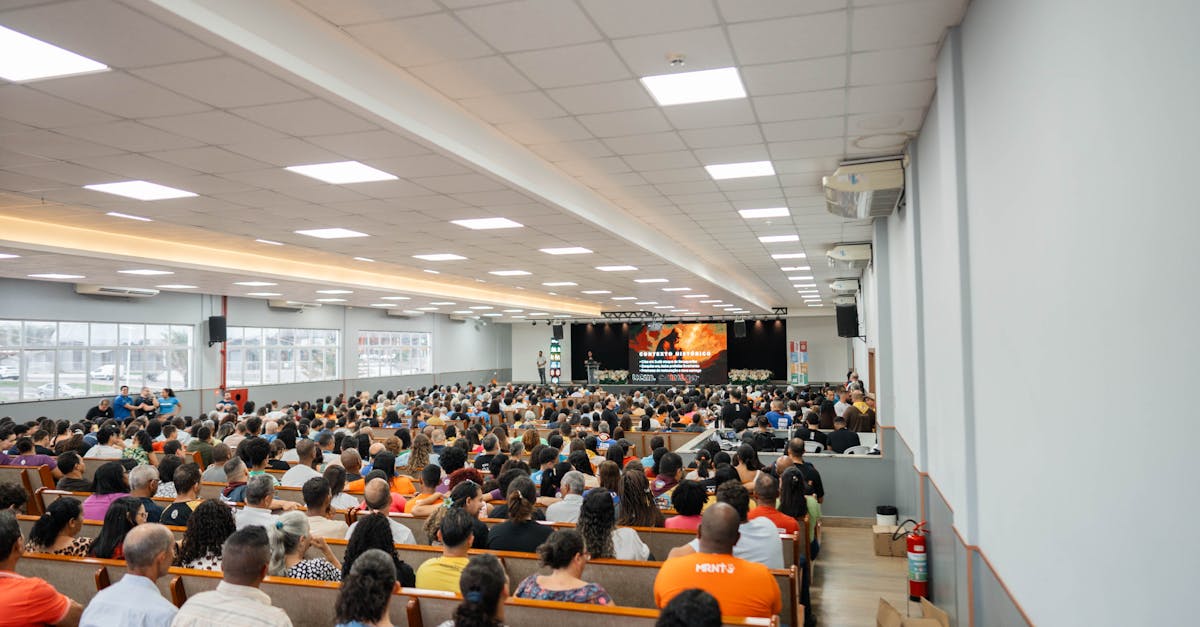
Photo by Matheus Amaral on Pexels
Games Done Quick will run its first live marathon on European soil at Gamescom in Cologne, August 28‑30. The move adds a physical audience to a format that has lived online for over a decade.
The event will occupy the three‑day Gamescom expo, with daily streams from 4 a.m. ET to 2 p.m. ET on Twitch and YouTube. Organizers confirmed the schedule and venue in a press release, and quoted owner‑business director Ashley Farkas: “We’re thrilled to expand Games Done Quick globally and to bring a live event to gamescom in Germany, an opportunity that’s incredibly meaningful to our team.”
GDQ’s European debut follows a January marathon that featured live runs of Super Mario Sunshine, Hades II, and Clair Obscur: Expedition 33. That show raised a portion of the organization’s cumulative $60 million charitable haul. The Cologne edition will be the first time the marathon’s audience sits in a convention hall rather than a living room.
Logistics and format
The Cologne venue will host a stage, runner booths, and a large screen for the live audience. GDQ will still feed the same broadcast feed to Twitch and YouTube, preserving the dual‑track model that lets remote viewers watch while on‑site fans cheer in person. The schedule compresses the marathon’s typical 72‑hour run into three days, aligning with Gamescom’s own programming blocks.
Running order will mirror past GDQ marathons: speedrunners tackle categories ranging from classic Nintendo titles to indie releases, with each run punctuated by donation incentives. The live audience will vote on certain charity challenges, a practice GDQ introduced in 2022 to boost engagement. Organizers said they expect a few thousand on‑site spectators, a modest number compared with Gamescom’s overall attendance but a significant increase over GDQ’s usual virtual‑only crowd.
Technical setup includes a dedicated internet uplink, redundant streaming encoders, and on‑site audio mixing for the live hall. GDQ’s production team, which has run remote marathons for years, will coordinate with Gamescom’s AV staff. The partnership required both parties to align on content moderation policies, given GDQ’s history of live chat donations and occasional profanity.
Community impact and fundraising
GDQ’s core model pairs speedrunning entertainment with charitable donations. Past marathons have supported organizations like the Prevent Cancer Foundation and the Alzheimer’s Association. The Cologne event will continue that pattern, with a announced beneficiary list that includes two European NGOs focused on youth mental health.
Early donation data from the January marathon showed a spike when runners unlocked “donation multipliers” tied to in‑game achievements. GDQ plans to replicate those triggers, but with a twist: on‑site attendees can trigger a multiplier by holding up a QR‑coded card that links directly to the donation page. The hybrid approach could test whether physical presence translates into higher per‑viewer contributions.
Critics have warned that charity events risk “donation fatigue” when they proliferate across multiple platforms. GDQ’s decision to add a live audience may exacerbate that risk, especially if the on‑site experience draws donors away from the online stream. Still, the organization’s track record of raising millions suggests that the incremental cost of a physical venue is justified by the potential for higher total contributions.
Industry context: charity gaming events
GDQ is not the only charity‑focused gaming marathon to experiment with live venues. The annual Extra Life fundraiser has held pop‑up runs at conventions like PAX, and Twitch Rivals has incorporated charity brackets into its esports tournaments. What sets GDQ apart is its singular focus on speedrunning—a niche that demands precise timing, deep game knowledge, and a community that values technical mastery.
The shift toward hybrid events reflects a broader trend in the gaming industry: leveraging physical conventions to deepen fan engagement while retaining the scalability of online streams. Companies such as Blizzard and Riot have used convention stages to debut new titles, but they rarely embed a charitable component. GDQ’s model could inspire other niche communities to adopt a similar dual‑track format, especially as advertisers seek measurable ROI on live audience metrics.
Regulatory scrutiny of large‑scale charity fundraising has increased in the EU, with new transparency requirements for online donations. GDQ’s partnership with Gamescom means it will need to comply with German tax law and reporting standards, a step up from its historically US‑centric compliance framework. The organization has hired a European legal consultant to audit its donation pipeline, a move that may become standard practice for cross‑border charity events.
Technical mechanics of a speedrun marathon
A speedrun marathon hinges on two technical pillars: precise timer synchronization and reliable video capture. GDQ uses the LiveSplit timer, which broadcasts split times to the stream overlay in real time. For the Cologne show, the team will run a local instance of LiveSplit on a dedicated workstation, feeding the data to both the on‑site screen and the remote stream via NDI (Network Device Interface).
Video capture will be handled by a fleet of capture cards, each assigned to a runner’s console—whether a Nintendo Switch, PlayStation, or PC. The feed is routed through a central OBS (Open Broadcaster Software) instance that applies scene transitions, donation alerts, and chat overlays. Redundancy is built in: a secondary OBS node mirrors the primary stream, ready to take over if the main encoder fails.
Audio mixing presents a unique challenge when blending on‑site crowd noise with the runner’s commentary. GDQ will employ a digital mixer that isolates ambient microphones from the stage and combines them with the runner’s headset audio. The mix will be sent to the live hall’s PA system and the streaming output, ensuring both audiences hear the same experience.
What to watch
The next data point to track is the total donation amount reported at the end of the Cologne marathon, broken down by on‑site versus online contributions. GDQ will publish a post‑event audit that includes compliance with German charity regulations. Observers will also watch how the hybrid format influences viewer retention on Twitch and YouTube, especially during the early morning ET slots that overlap with European daytime.
If the event proves financially viable, GDQ may schedule additional live marathons in other regions, potentially expanding to Asia’s major gaming expos. The organization’s ability to scale its production model while navigating cross‑border legal frameworks will determine whether the hybrid approach becomes a new norm for charitable gaming events.
Updates
Related Articles

New hardware quirks ring note‑taker AI feeder retro upgrades
A ring‑sized note taker, AI‑driven cat feeder, free retro‑handheld upgrades, E Ink tablets, and Android UI tweaks illustrate niche hardware shifts.
Nintendo’s Discount Relies on Hoarded Tariff Refunds as Handheld
Nintendo funds a steep Switch price cut with tariff refunds while lagging on accessibility and facing smartphone competition; Sony’s portable PlayStation looms.