

Retroid and Atari revive retro handhelds amid a crowded

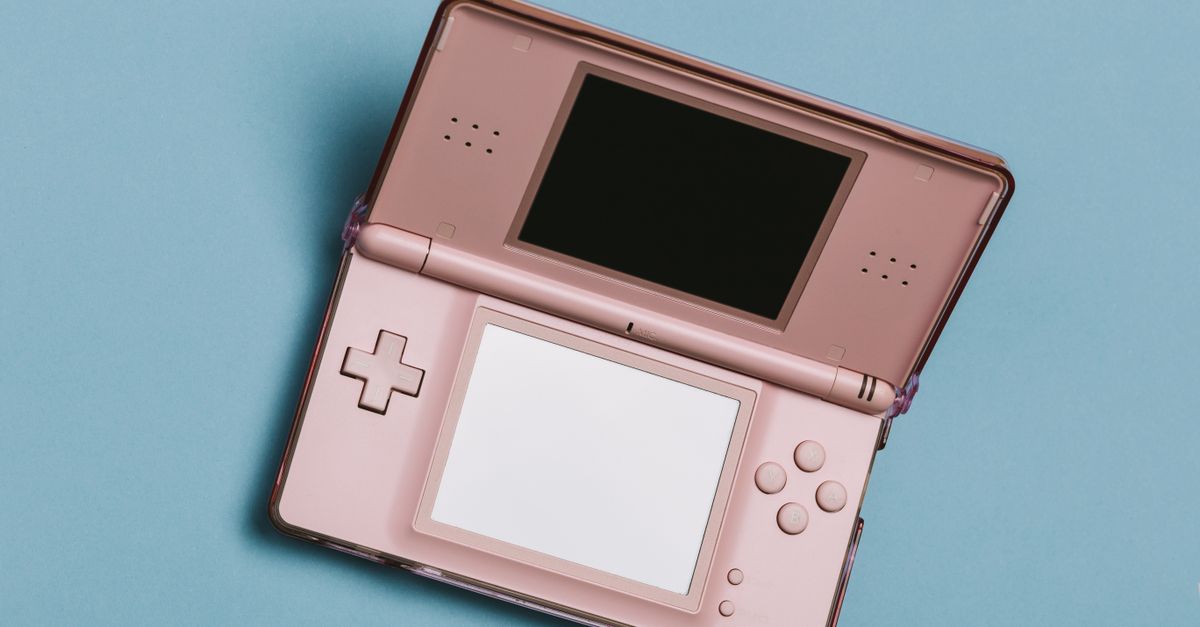
Retroid’s dual‑screen prototype
Retroid posted a blurry render of a handheld that looks like a modern Nintendo DS. The teaser shows two stacked LCDs, a D‑pad, and a set of face buttons that mirror the classic layout. No specs, price, or launch window were disclosed, but the visual cue is enough to set the community buzzing.
The company’s brief caption promised “the ultimate portable for DS fans.” That promise lands on a market still starved for new dual‑screen devices. Retroid’s history of Android‑based emulation boxes suggests the unit will run a Linux‑based OS, but until a bill of materials leaks, the performance envelope remains speculation.
Atari’s Ataribox tries to bridge past and present
Atari’s latest teaser is a sleek black‑red console that echoes the 1977 Atari 2600, with a premium wood‑grain version for collectors. The Ataribox ships with an HDMI output, four USB ports, an Ethernet jack, and an SD‑card slot, according to the company’s newsletter.
“Atas you can guess, those ports suggest modern internal specs,” Atari wrote, hinting at a CPU capable of more than pure emulation. The firm claims the box will run both “classic” and “current” games, though it stopped short of confirming whether the “current” label means PC ports, Android titles, or something else entirely. No pricing, release date, or game lineup has been announced, and Atari admits it is “listening closely to the Atari community” before finalizing details.
The retro hardware landscape is already crowded
The enthusiasm for new retro devices comes on the heels of Nintendo’s Mini NES and Mini SNES successes. Nintendo sold 2.3 million Mini NES units before pulling them, and pre‑orders for the Mini SNES sold out instantly, driving secondary‑market markups of 150 percent.
Atari’s last console, the Jaguar, sold only a few hundred thousand units despite being marketed as the first 64‑bit system. The modest sales underscore the risk of betting on nostalgia without a clear value proposition. Meanwhile, independent makers continue to churn out DIY emulation rigs. A 2022 guide still recommends a $45 2 GB Raspberry Pi 4 as the sweet spot for a retro box, with a $35 1 GB model viable for lighter workloads. Storage costs hover around $20 for a 128 GB SD card, enough for a sizable ROM library.
Emulation isn’t a free lunch; hardware matters
According to Engadget, both the GameCube and PlayStation 2 have “mature emulation ecosystems,” but the ease of emulation varies. The GameCube’s architecture, with its PowerPC CPU and custom GPU, tends to demand more processing headroom than the PS2’s Emotion Engine, which benefits from decades of community‑tuned optimizations.
For handhelds like Retroid’s prototype, the challenge is fitting a capable GPU and CPU into a thin chassis while keeping battery life acceptable. The Raspberry Pi 4’s extra performance, for example, smooths out Nintendo 64 and Dreamcast titles but still struggles with higher‑resolution PSP or PS2 games without aggressive clock throttling. If Retroid follows the Android‑based path, it will inherit the same RAM constraints: 2 GB is the practical ceiling for stable multi‑core emulation, and any attempt to push beyond that will inflate BOM costs.
Atari’s inclusion of Ethernet hints at possible streaming or cloud‑gaming integration, a move that could sidestep local hardware limits but also adds latency concerns. The lack of a clear software stack makes it hard to judge whether the Ataribox will rely on existing emulators, proprietary ports, or a hybrid approach.
What to watch
Retroid is expected to reveal a full spec sheet within the next quarter; the timing will indicate whether the device aims for a holiday launch or a staggered rollout. Atari has promised “step‑by‑step” updates, so the next community newsletter should clarify the nature of “current” games and whether the console will ship with a pre‑installed OS or require user‑side configuration. Keep an eye on supply‑chain chatter around Raspberry Pi 4 inventory, as any shortage could push DIY alternatives into the spotlight and affect the pricing dynamics of these niche handhelds.
Related Articles
Nintendo’s Discount Relies on Hoarded Tariff Refunds as Handheld
Nintendo funds a steep Switch price cut with tariff refunds while lagging on accessibility and facing smartphone competition; Sony’s portable PlayStation looms.

Robots, retro upscaling, and a Sundance horror – the odd tech mix
A look at a Sundance horror, a $449 entry‑level laptop, IMAX costs, robots beating sprint records, and retro N64 upscaling, all under one roof.
MartyPC Hits Near‑Perfect Cycle Accuracy for IBM PC/XT Emulation
MartyPC reaches 99.9997% cycle accuracy on the 8088, adds WebAssembly demos, and expands debugging tools for retro developers.