

Nintendo’s Discount Relies on Hoarded Tariff Refunds as Handheld

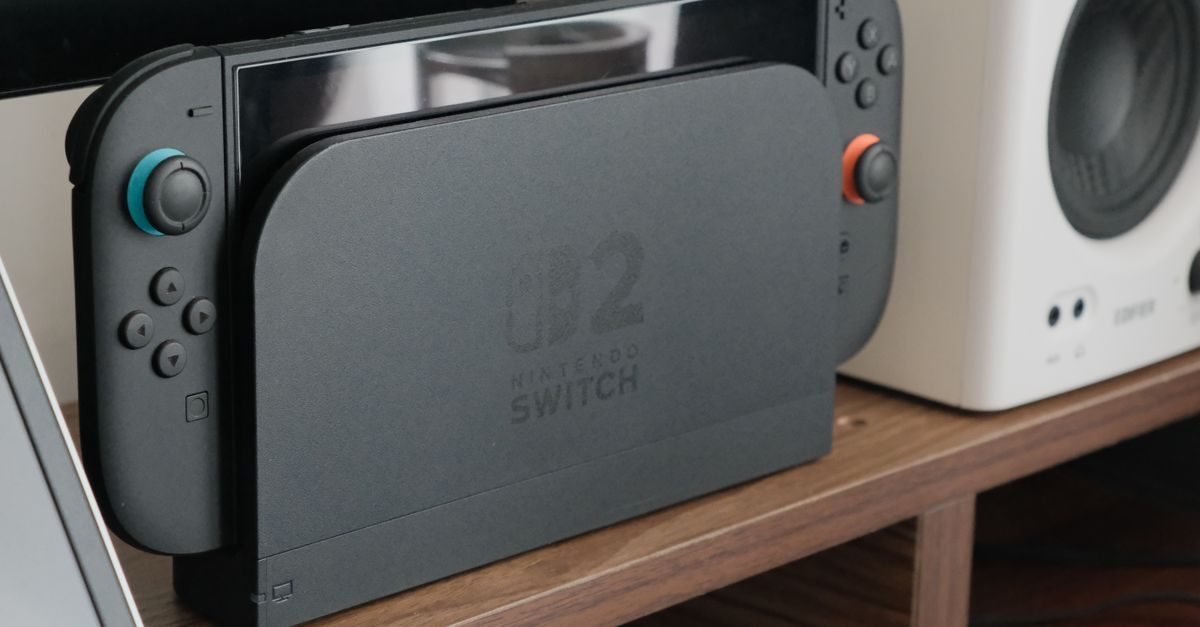
Photo by Nguyễn Dung on Pexels
Nintendo’s Discount Relies on Hoarded Tariff Refunds
Nintendo announced a flash sale on its Switch OLED model that cut the retail price by roughly a fifth. Engadget notes that the discount is “made possible” by the tariff refunds the company has been stockpiling.1 The refunds stem from duties levied on hardware imports, and Nintendo has chosen to deploy that cash to stimulate sales rather than pass the savings to consumers through lower wholesale costs.213
The move arrives as the company battles a slowdown in handheld demand. Analysts point to a shrinking pipeline of new titles and a consumer base that now carries a full‑featured phone in every pocket. By leveraging the refunds, Nintendo can offer a headline‑grabbing price reduction without jeopardising its margins, but the tactic also signals that the firm is scrambling for cash flow in a market that no longer guarantees volume.
Accessibility Gaps Still Haunt the Switch
When the Switch launched in 2017, critics highlighted its lack of built‑in accessibility features. Steven Spohn, chief operating officer of the AbleGamers charity, recalled that Nintendo “was at the forefront of accessibility, at some point they just stopped.” Firmware updates have added some options, yet Spohn argues the platform remains behind rivals that ship extensive accessibility menus at first‑boot.
Spohn’s own fundraising milestone – over one million dollars raised for AbleGamers in less than a year – underscores how community‑driven efforts can fill the gaps left by console makers.45678 The money fuels controller adaptations and training for developers, but it also shines a light on Nintendo’s missed opportunity to embed those solutions natively. As long as the Switch’s accessibility roadmap stays incremental, the company risks alienating a growing segment of gamers who demand inclusive design.
Handhelds in a Smartphone World
Nintendo’s historical playbook has never hinged on raw specs. The original Game Boy, with its monochrome screen, outperformed color‑screen competitors; the Wii’s modest graphics still outsold the PS3 and Xbox 360; the 3DS continues to sell better than the technically superior PlayStation Vita. As one commentator observed, Nintendo “doesn’t sell technology. Nintendo sells toys.”
That formula faces a structural shift. Today’s handheld buyer decides whether to add a dedicated gaming device in addition to a smartphone that already hosts thousands of cheap games. The iPhone and iPad, while technically superior in many respects, lack tactile D‑pads and buttons, a niche Nintendo has traditionally exploited. Yet the convenience of a single pocket‑sized device erodes the value proposition of a separate console. The commentator likened the situation to the BlackBerry‑iPhone showdown: “If you buy an iPhone, you’re not going to also buy a BlackBerry.” The same logic now applies to handheld consoles.
The risk, according to the analysis, is a gradual slide toward irrelevance that could culminate in a sudden collapse – the classic “gradually and then suddenly” bankruptcy line from Hemingway. Nintendo’s reliance on cheaper, older‑generation hardware has kept prices low, but without a compelling reason to carry two devices, the market may tip decisively toward smartphones.
Sony’s Portable PlayStation Threatens the Status Quo
Amid Nintendo’s discount‑driven scramble, Bloomberg reports that Sony is prototyping a new portable PlayStation capable of running PS5 titles. The device would blur the line between handheld and home console, allowing the same game library to be accessed on the go. Bloomberg also notes that Microsoft is experimenting with similar prototypes, though none have been confirmed for release.
Sony’s last handheld, the Vita, sold an estimated 15 million units after a strong start with the PSP’s 75 million‑unit run. The Vita’s failure was attributed to the rise of smartphones and a fragmented game library. This time, the rumored device leverages PlayStation Plus’s cloud‑based catalog, promising legal access to a vast back‑catalog without the need for individual purchases. If Sony can deliver a seamless handheld‑home experience, it could force Nintendo to defend its niche on the basis of exclusive first‑party titles rather than price alone.
The PlayStation Portal, released last year, demonstrated Sony’s willingness to experiment with streaming handsets, albeit with limited utility. A full‑featured portable that runs native PS5 games would be a step change, potentially reshaping the handheld market that Nintendo has dominated for two decades.
What to Watch
The coming weeks will reveal whether Nintendo’s tariff‑refund‑funded discount stalls the decline in handheld sales or merely delays an inevitable shift to smartphones. Investors will scrutinize Nintendo’s next earnings report for signs of inventory buildup or a slowdown in unit shipments. Simultaneously, Sony’s prototype is expected to surface at a major developer conference later this year; a confirmed specification sheet could force Nintendo to accelerate its own hardware roadmap or double down on exclusive software. Finally, regulators in the United States and Japan are reviewing the tariff regime that generated the refunds; any change could strip Nintendo of a key financial lever.23 The decisions made on these fronts will determine whether Nintendo can keep its toy‑selling model alive or whether the handheld market will finally consolidate around a new, cloud‑enabled contender.
Footnotes
Related Articles
Microsoft hikes Xbox controller price as new model drops Chatpad
Microsoft raises Xbox controller cost to $64.99, removes the Chatpad port, and pushes its $99.99 Adaptive Controller amid broader price hikes and Apple’s new sales channel.
Nintendo lifts Switch 2 prices, sparking consumer backlash
Nintendo announced higher launch prices for the Switch 2 on May 8, 2026, raising questions about affordability and competition.
New hardware quirks ring note‑taker AI feeder retro upgrades
A ring‑sized note taker, AI‑driven cat feeder, free retro‑handheld upgrades, E Ink tablets, and Android UI tweaks illustrate niche hardware shifts.