

Tesla pulls Solar Roof, leaving installers with six‑figure hits

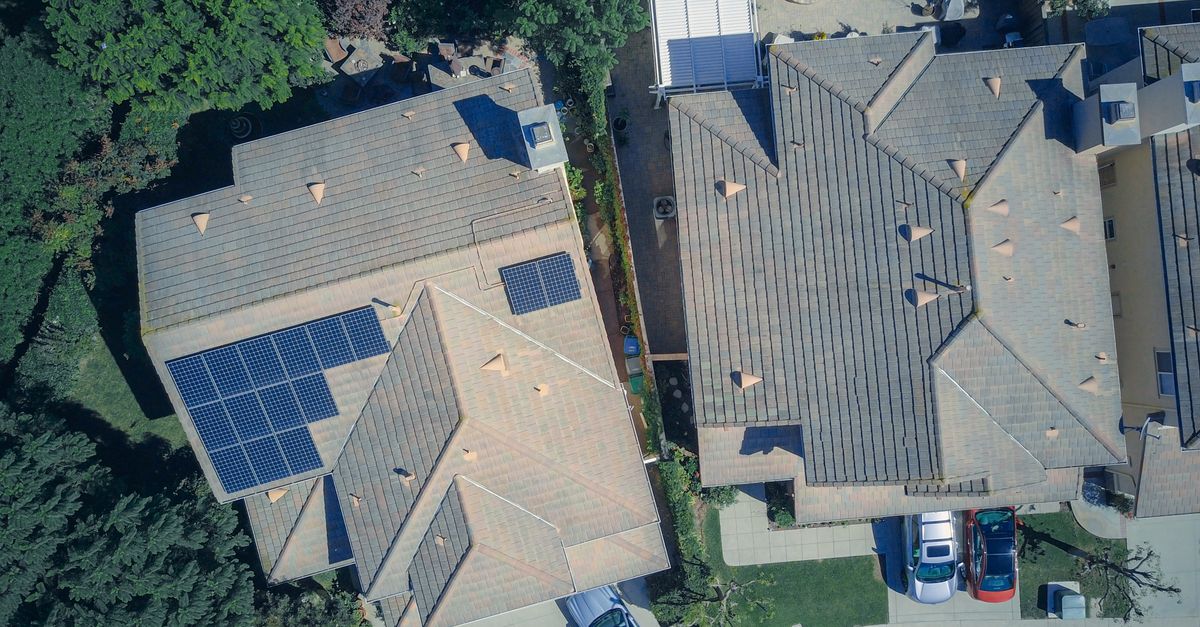
Photo by Kindel Media on Pexels
Tesla announced it is ending the Solar Roof program, and installers who bet on the tiles are now staring at six‑figure losses. The move caps a years‑long saga of hype, costly prototypes, and a handful of homes that actually generate power.1234
The exit comes after Tesla confirmed in January that it had begun site surveys and permitting for regular customers, after a period limited to employees and a few early adopters. A San Jose homeowner documented a summer week where the roof produced 394 kWh, the house drew just 285 kWh, and the grid supplied only 2.9 kWh. The system cost roughly $55,000 after the federal tax credit, while Tesla advertises a price of $21.85 per square foot for a typical install.
Installer fallout and six‑figure losses
Tesla’s decision to cease the Solar Roof rollout hit installers hard. Companies that had stocked tiles, trained crews, and secured permits now face bills that run into the hundreds of thousands. The losses stem from sunk inventory, labor already paid, and contract penalties for customers who expected delivery.23
For many installers, the financial hit is not a short‑term cash flow issue but a blow to their business models. Solar‑focused contractors rely on recurring revenue from maintenance and future upgrades. With the product line shuttered, those revenue streams evaporate, forcing some firms to downsize or exit the market entirely.2
Real‑world performance versus promises
The few operational Solar Roofs paint a mixed picture. The @toblerhaus account on Twitter shows a house that barely touched the grid—only 2.9 kWh over a week—while the roof generated 394 kWh. The Powerwall stored 95.2 kWh of that energy, allowing the household to offset its consumption and even sell excess power back to PG&E.
The homeowner reported a previous monthly bill of $250‑$300, now turned into a credit after adding an electric vehicle. Those numbers suggest a compelling return on a $55,000 investment, but the sample size is tiny. Tesla’s own claim that a typical homeowner pays $21.85 per square foot translates to a $55,000 price tag only for a roof of roughly 2,500 sq ft, a size few residential projects match.
The hype engine and strategic missteps
Tesla’s Solar Roof originated from the 2016 acquisition of SolarCity, a failing cousin business that Musk rescued with a stock swap.4 At the time, Musk owned about 20 % of Tesla and had borrowed against half of that stake, making the SolarCity deal a hedge against personal net‑worth volatility.
The product was marketed as ready for customer deposits, yet industry insiders warned it was neither practical nor cost‑effective. Early press releases described the tiles as “slate‑like” and “installable in summer 2017,” but the rollout stalled for years. Musk’s later claim that the installed cost is “less than a normal roof and the cost of electricity” offered no concrete per‑square‑foot figure, leaving buyers in the dark.
Critics on Hacker News called the Solar Roof “vaporware,” noting that other firms had abandoned similar concepts years earlier. The narrative that the tiles would replace traditional roofing never materialized, and the promised longevity—two to three times that of asphalt—remains unverified.
Industry context: solar roofing’s uphill battle
Solar roofing sits at the intersection of two expensive markets: high‑end roofing materials and residential solar. Competing products, such as integrated photovoltaic shingles from certain European manufacturers, price themselves at $30‑$40 per square foot, still far above conventional asphalt.
Installation complexity adds another barrier. Traditional solar panels sit on racks, allowing installers to use existing roof structures. Integrated tiles require precise placement, custom flashing, and often a full roof replacement, inflating labor costs.5
Regulatory hurdles also slow adoption. Local building codes demand wind and hail certifications; Tesla claims its tiles survive 110 mph winds and 2‑inch hail, but third‑party testing data is scarce. Without clear, independently verified performance metrics, utilities and homeowners remain cautious.6
What to watch next
The next data point to track is Tesla’s official statement on any future residential energy products. If the company pivots to a new rooftop solution or partners with third‑party installers, the terms of that arrangement will signal whether the Solar Roof brand is truly dead or merely rebranded. Additionally, watch for filings with the Federal Trade Commission or state consumer protection agencies that could arise from the installer losses. Those actions will shape how the broader solar‑roof market evolves and whether Tesla’s brief foray leaves a lasting scar or a lesson learned.
Footnotes
Related Articles
Google buys nuclear power, teen makes acoustic extinguisher
Google will purchase half the output of a Finnish nuclear plant. A Mexican teen unveiled a sound‑wave fire extinguisher that claims seconds‑scale suppression.

Headphone Deals, Tesla Trademark, and Audiophile Wins
Nothing headphones drop to $100, Tesla files a trademark for audio gear, and community‑driven Fostex and Grado models prove value still matters.
Tesla's China recall avalanche exposes systemic safety gaps
Tesla faces three massive recalls in China, covering over 4 million cars, as regulators clamp down on safety flaws from door handles to suspension and cruise control.