

Samsung's next moves: lockout, battery, XR glasses

One UI lockout after 13 failed attempts
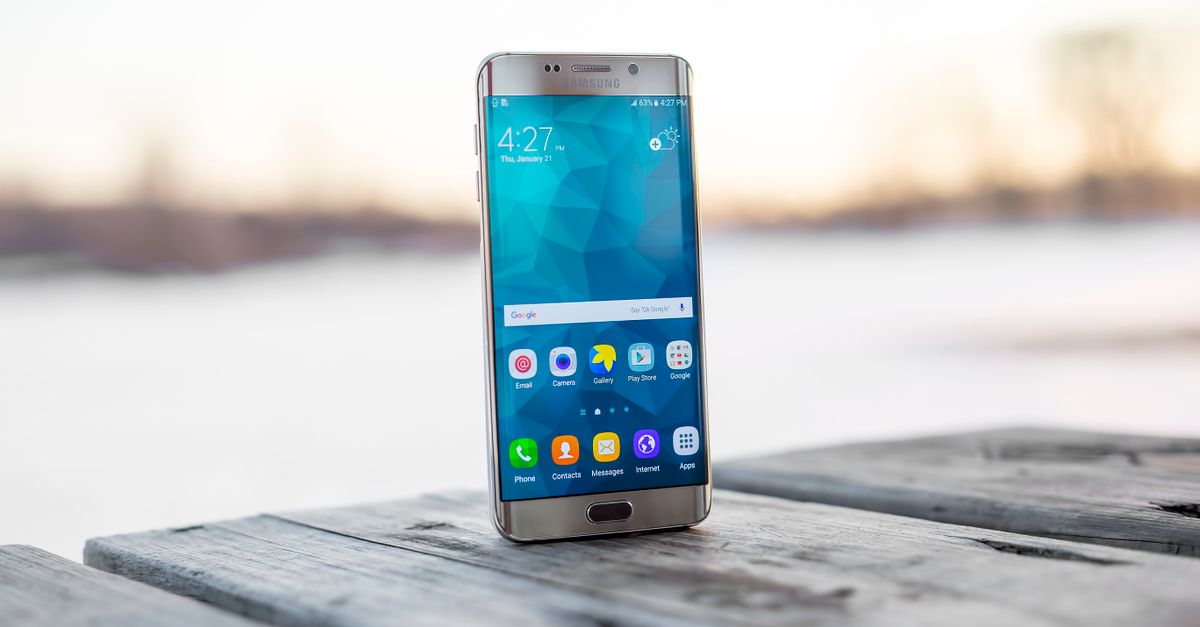
Samsung’s next major One UI update will permanently lock a Galaxy device after 13 failed unlock attempts, extending the tighter security posture introduced in Android 17. The change forces users to perform a factory reset when the limit is reached, effectively wiping data unless a backup exists.
Google’s Android 17 already tightened failed‑unlock handling, and Samsung is mirroring that behavior at the OEM layer. The new One UI policy counts every incorrect PIN, pattern, or biometric entry toward the 13‑attempt ceiling. Once the counter hits the threshold, the device displays a message directing the owner to a recovery flow that ends in a full reset. The rollout is slated for the next major Android version bump, but the exact timeline has not been disclosed.
S27 Ultra battery rumored near 6,000 mAh
The flagship Galaxy S27 Ultra is rumored to carry a battery close to 6,000 mAh, a sizable jump from the 5,000 mAh cell that has persisted for half a decade. Analysts note that the “Ultra” moniker has long implied a premium power budget, yet the previous generation fell short of that expectation.
Industry chatter suggests the larger cell will translate into measurable endurance gains on typical usage patterns, though official efficiency figures remain absent. Samsung has not confirmed the capacity, and the rumor does not specify whether the increase will affect device thickness or weight. If the figure holds, the S27 Ultra would outsize most competitors in the high‑end segment, narrowing the gap that other manufacturers have exploited with larger batteries.
Android XR glasses integration and price
Samsung teased further details of its upcoming Android XR glasses after a partial unveiling at the recent Unpacked event. The company highlighted seamless integration with both a Galaxy phone and a Galaxy Watch, positioning the glasses as a true extension of the existing ecosystem.
The teaser also referenced a “reasonable” price point, though no specific amount was disclosed. By labeling the cost as reasonable, Samsung signals an intent to avoid the premium pricing that has hampered adoption of earlier mixed‑reality headsets. The integration promise implies that the glasses will leverage existing Samsung services for notifications, media playback, and possibly health tracking, but concrete feature lists were not released.
Samsung’s broader hardware strategy
These three announcements illustrate a pattern of incremental, security‑first upgrades across Samsung’s flagship line. The lockout rule tightens device protection at the cost of user convenience, a trade‑off that mirrors Google’s own platform hardening. By enforcing a hard reset after a relatively low number of failed attempts, Samsung reduces the attack surface for brute‑force unlocking tools.
The battery rumor shows the company finally addressing a long‑standing criticism of its Ultra flagships. A near‑6,000 mAh cell would bring endurance in line with the power demands of higher‑refresh displays, larger sensors, and 5G radios that have proliferated in recent years. The move also hints at a willingness to sacrifice a few millimeters of chassis depth for real‑world usage gains.
The XR glasses preview underscores Samsung’s ambition to create a tightly coupled hardware suite. By tying the glasses to both phone and watch, Samsung reduces the need for a separate app ecosystem and leverages existing authentication and sensor frameworks. The “reasonable” price cue suggests the firm is learning from the market’s resistance to high‑cost headsets and is aiming for broader consumer appeal.
Collectively, the lockout, battery, and glasses signals point to a strategy that balances security, endurance, and ecosystem cohesion. Samsung appears to be betting that incremental improvements—rather than headline‑grabbing leaps—will keep its premium audience satisfied while widening the appeal of newer form factors like XR.
What to watch
The first metric to track will be the rollout schedule of the One UI lockout patch. Early adopters on the Android 17 preview channel may surface real‑world experiences, and any push‑back from users could influence Samsung’s final implementation.
Next, watch for an official battery specification from Samsung as the S27 Ultra launch approaches. Confirmation of a near‑6,000 mAh capacity, along with any accompanying design changes, will clarify whether the rumored upgrade translates into a measurable advantage over rivals.
Finally, keep an eye on the pricing announcement for the Android XR glasses and the breadth of supported features. A concrete price tag and a detailed integration roadmap will indicate whether Samsung can convert the “reasonable” promise into market traction.
Industry analysts will likely compare these moves against competing Android OEMs that have taken different approaches to security thresholds, battery sizing, and mixed‑reality hardware. The outcomes could reshape how Samsung balances premium specifications with user‑centric trade‑offs in the next product cycle.
Related Articles
Samsung's Shuffle: Edge Panel, Privacy Display, Foldables
Samsung makes Edge Panel standard, licenses privacy display to Huawei, sees Z Fold 8 hype iPhone Fold rumors, and retires Quick Measure and AR Doodle apps.
Pixel 8 gets 7‑year support, Samsung extends Android updates
Google promises seven years of OS and security updates for Pixel 8, while Samsung now offers four years of security patches, reshaping the Android update race.
Samsung’s fragmented Galaxy lineup faces design split
Leaks reveal the S27’s broken design language, the budget‑friendly A33 specs, and Samsung’s admission that passwords linger in plaintext on its devices.