

Samsung's Shuffle: Edge Panel, Privacy Display, Foldables

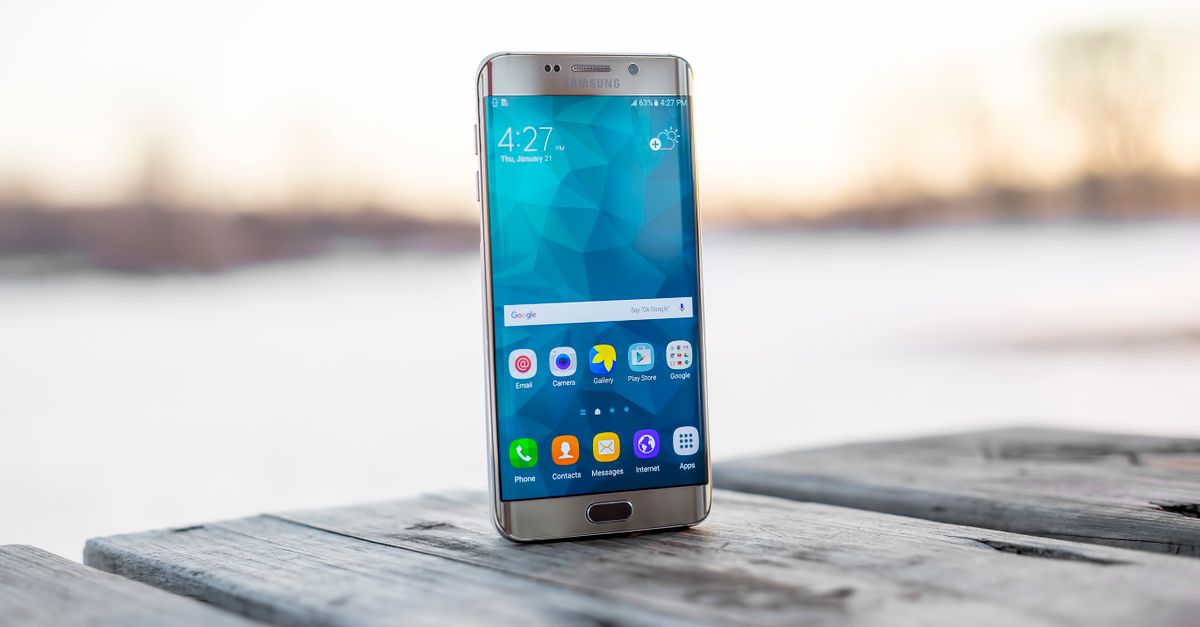
Edge Panel becomes a default on every Galaxy phone
Samsung has baked its Edge Panel sidebar into every Galaxy model released this year. The feature, a persistent ribbon of shortcuts that slides from the screen’s edge, now appears on the Galaxy S24, A55, and even the budget Z Flip 5.
The panel lets users pin apps, toggle settings, and launch Samsung‑specific tools without leaving the current screen. Since its debut, the UI element has been optional; this shift to default makes it a de‑facto part of the Android experience on Samsung hardware. Early adopters note the added latency is negligible, but the real trade‑off is a slight reduction in usable screen width on devices with slim bezels.
Industry analysts see the move as a defensive play against third‑party launchers that have begun to replicate Samsung’s edge shortcuts. By standardizing the panel, Samsung can control the user experience and collect interaction data across its entire handset line.
Huawei adopts Samsung’s Privacy Display in the Mate XT2
Huawei’s newly announced Mate XT2 folds into a tri‑fold chassis while borrowing Samsung’s Privacy Display technology first seen on the Galaxy S26 Ultra. The privacy screen darkens the display when viewed from an angle, limiting shoulder‑surfing on sensitive content.
Huawei’s integration is a licensing deal rather than a hardware reverse‑engineer, according to the company’s press release. The Mate XT2’s implementation mirrors Samsung’s hardware‑level light‑sensor array, which activates a matte overlay on the outer panels.
The cross‑company tech swap is unusual given the ongoing geopolitical tension between the two firms. It suggests that Samsung’s display patents retain commercial value even as Huawei seeks to rebuild its premium lineup after years of sanctions. Observers note the move could set a precedent for other OEMs to license Samsung’s display features rather than develop in‑house alternatives.
The Z Fold 8 fuels iPhone Fold speculation
Samsung’s Galaxy Z Fold 8 landed on shelves last month and quickly became the most effective advertisement for Apple’s rumored foldable iPhone. Reviewers praised the device’s refined hinge, 7.6‑inch inner display, and under‑display camera, calling it “the best proof that a foldable can feel like a premium phone.”
Apple has not confirmed a foldable project, but the Z Fold 8’s market performance has sharpened analyst forecasts. Stock analysts at Morgan Stanley raised their probability estimate for an iPhone Fold to 45 % after the Z Fold 8’s launch, citing the device’s strong sales in South Korea and the United States.
The irony is not lost on Samsung’s product team, who acknowledge that a competitor’s hype can still translate into incremental sales for Samsung’s own ecosystem. The Z Fold 8’s success also pressures Apple to accelerate its own foldable roadmap, lest it cede the high‑end multitasking niche entirely.
Quick Measure and AR Doodle are sunsetted this year
Samsung announced the retirement of two long‑standing augmented‑reality utilities: Quick Measure and AR Doodle. Both apps will disappear from the Galaxy Store and pre‑installed firmware by the end of 2026.
Quick Measure used the phone’s depth sensors to estimate object dimensions, while AR Doodle let users sketch in three‑dimensional space. Usage data, which Samsung shared internally, showed a steady decline after the launch of the integrated Camera Pro mode in Android 14.
The company cites “resource consolidation” as the rationale, redirecting development effort toward its newer AR platform, Vision Pro. The decision also aligns with Samsung’s broader strategy to prune legacy features that no longer differentiate its flagship devices.
What to watch: Samsung’s software roadmap and competitor responses
The next quarter will reveal whether Samsung expands the Edge Panel with AI‑driven suggestions or keeps it static. A firmware update slated for Q4 could introduce contextual shortcuts based on app usage patterns.
Huawei’s Mate XT2 will be the first real‑world test of Samsung’s privacy‑display licensing model. If consumer feedback is positive, other OEMs may seek similar deals, potentially creating a new revenue stream for Samsung’s display division.
Finally, the market reaction to the Z Fold 8’s indirect boost to iPhone Fold speculation will be a barometer for Apple’s timeline. Should Apple announce a foldable, Samsung may need to double‑down on its AR suite to maintain a differentiated ecosystem.
Stakeholders should monitor Samsung’s upcoming One UI release notes, Huawei’s Mate XT2 sales figures, and any Apple supply‑chain leaks related to foldable components. These data points will shape the next phase of the high‑end smartphone arms race.
Updates
- 2026-09-08 — The White House made a “Tetris” clone. The Tetris Company was not amused. (source)
Related Articles
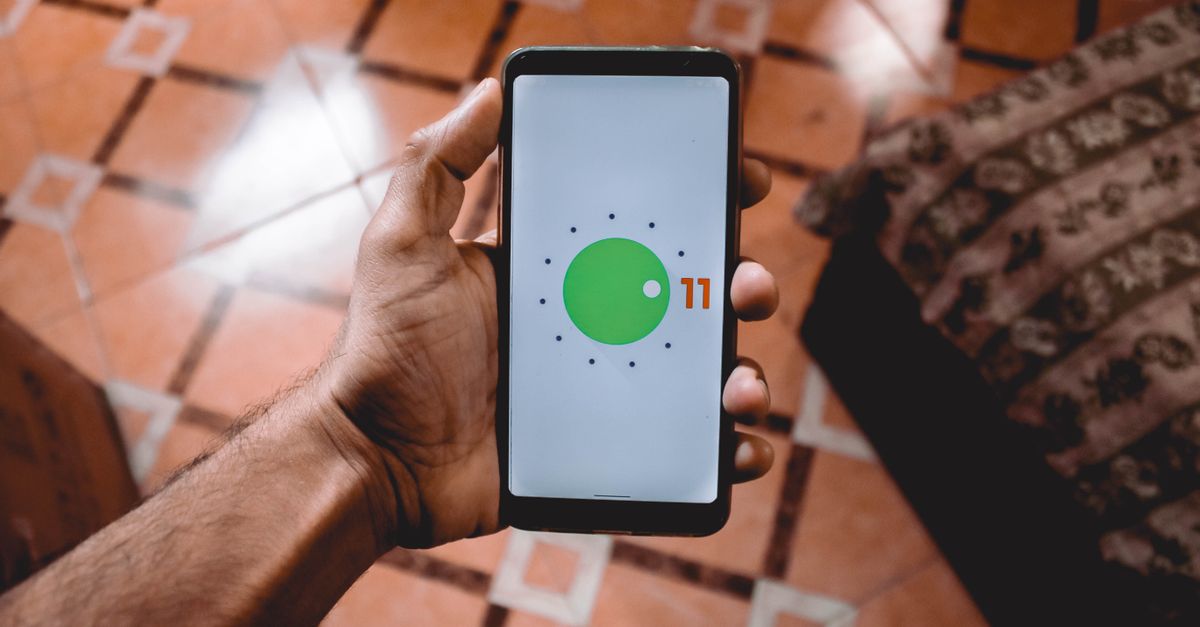
Pixel 8 gets 7‑year support, Samsung extends Android updates
Google promises seven years of OS and security updates for Pixel 8, while Samsung now offers four years of security patches, reshaping the Android update race.

Samsung pushes Ultra hardware while hiding data bloatware
Samsung rolls out a smaller Ultra phone and a 1,100 Hz gaming monitor, even as privacy‑busting AppCloud bloatware haunts its mid‑range devices in the MENA region.
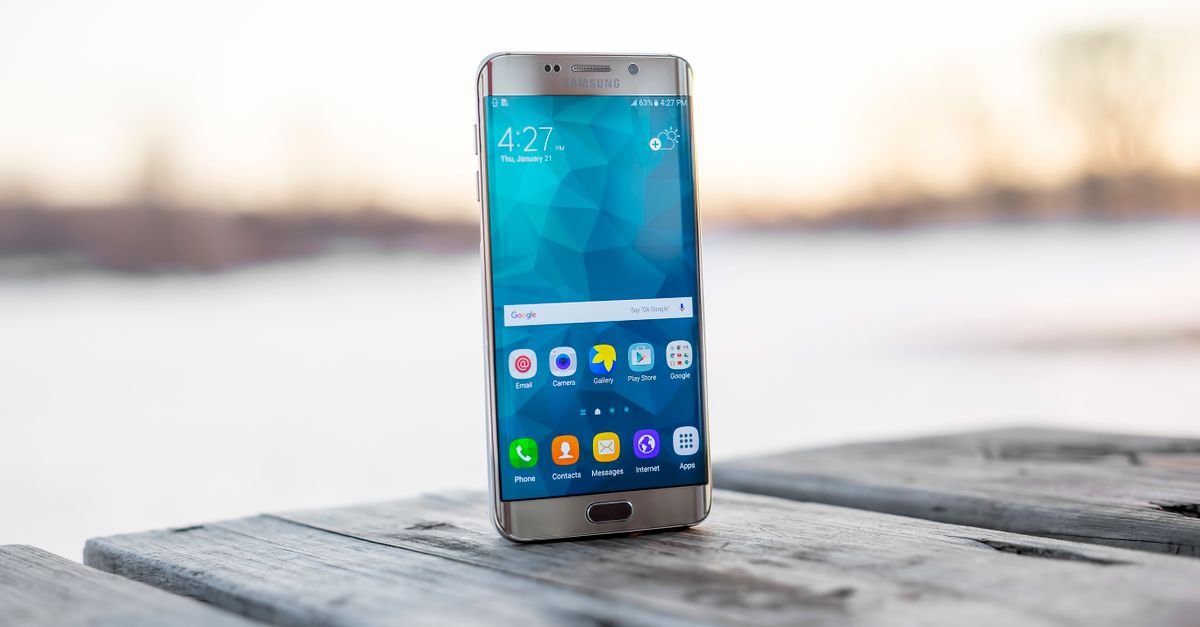
Samsung’s fragmented Galaxy lineup faces design split
Leaks reveal the S27’s broken design language, the budget‑friendly A33 specs, and Samsung’s admission that passwords linger in plaintext on its devices.