

Meta AI joins Threads DMs as Perplexity powers Windows PCs


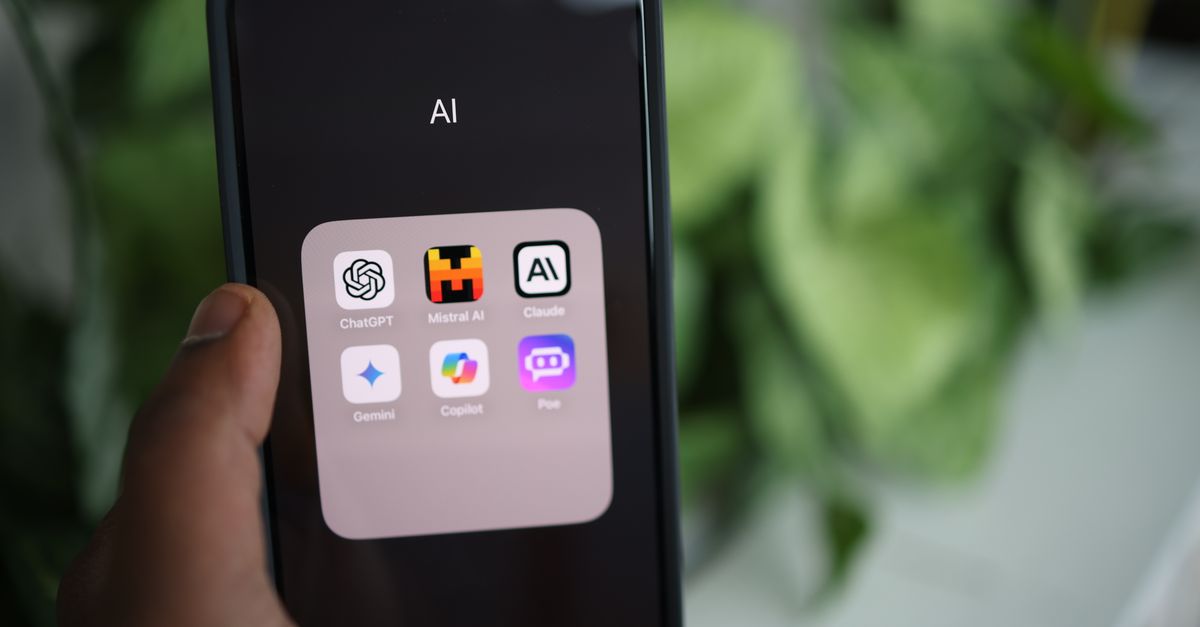
Photo by Vitaly Gariev on Pexels
Meta AI moves into Threads direct messages
Meta rolled out its Meta AI chatbot inside Threads direct messages on Monday. The move gives users a built‑in assistant for quick queries and drafting help.
The feature appears as a chat bubble next to the message composer. Users can type a prompt and receive a response without leaving the app. Meta frames the rollout as a way to keep conversations fluid, but the timing raises questions about data handling. Threads already hosts billions of daily interactions; adding an AI layer could increase engagement metrics while also expanding the platform’s data collection surface.
Industry analysts note that Meta’s push mirrors similar experiments at Twitter and Instagram, where AI suggestions have been layered onto user content. The key difference is the direct‑message context, which historically has been private. Meta has not disclosed how the AI will be trained on private chats, leaving privacy advocates to demand clearer policies.
Perplexity brings AI agents to Windows PCs
Perplexity expanded its Personal Computer tool to Windows, turning the world’s most popular operating system into a locally run AI assistant. The Windows version mirrors a Mac release that launched in April, offering a “general‑purpose digital worker” that can read files, launch apps, and edit documents on command.
The tool builds on integrations announced in May for Microsoft 365 and Teams. Those earlier releases let the AI draft slides, summarize meeting notes, and pull data from spreadsheets. The new Windows agent extends that capability to the entire desktop, letting users ask the system to generate reports, update charts, or draft emails without opening separate programs.
Perplexity markets the product as a bridge between cloud‑based AI services and on‑device privacy. By running locally, the assistant avoids sending every keystroke to a remote server. Critics point out that the model still needs periodic updates, which could reintroduce data flow to the cloud. The trade‑off between convenience and privacy remains unsettled.
ChatGPT clamps down on author imitation
OpenAI’s ChatGPT has started refusing requests to write in the style of famous authors, whether the writers are alive or deceased. The change appears in the latest model update and applies to both short excerpts and longer compositions.
The policy shift follows a wave of complaints from rights holders who argue that mimicking a distinctive voice can infringe on intellectual property. OpenAI’s public statement cites “responsible use” as the rationale, but the company did not detail how the filter distinguishes a legitimate homage from a violation.
Developers who built downstream tools around style imitation now face broken workflows. The refusal also highlights a broader tension: AI models can replicate literary quirks, yet the platforms that host them must balance creative freedom with legal risk. OpenAI has not indicated whether the block will be lifted after further refinement.
Gemini app tweaks reflect incremental UI refinement
Google’s Gemini app rolled out a handful of interface tweaks today, focusing on a smoother settings experience. The update adds a dedicated “Notifications” toggle that consolidates alert controls into a single screen.
The changes also simplify the level‑picker used for adjusting the app’s thinking depth. Users now see a streamlined slider instead of a nested menu, reducing the number of taps needed to reach a preferred setting. The tweaks are modest, but they signal Google’s intent to polish the user experience as the app matures.
Gemini’s incremental approach contrasts with the headline‑grabbing launches of competing AI assistants. By fine‑tuning existing features, Google aims to retain users who value consistency over flash. Observers note that such steady improvements can be more valuable than a single, high‑impact announcement.
What to watch
Meta’s AI in Threads DMs will generate data on user engagement and privacy complaints; the next quarterly report should reveal whether the feature boosts daily active users. Perplexity’s Windows agent will face scrutiny over update mechanisms—track the frequency of model patches and any disclosed telemetry. OpenAI’s style‑blocking policy may evolve; watch for an official blog post or developer forum thread that explains the technical thresholds. Finally, Gemini’s notification settings will be a test case for how Google balances control and simplicity; upcoming user‑feedback surveys could indicate whether the tweaks improve retention. Stay alert for any regulatory commentary on AI assistants embedded in social and productivity platforms.
Updates
- 2026-09-21 — Report: AI glasses shipments surged 263% in H1 2026 as Apple prepares to enter the market (source)
Related Articles
Google adds AI to Android with Health 5.08 and Find Hub update
Google rolls out Health 5.08 and a Gemini‑powered Remembered tab in Find Hub, tightening AI across Android.

Meta lawsuit and AI security attacks pressure industry scaling
Meta battles a class-action over photo harvesting as Anthropic warns of Chinese distillation attacks, and OpenAI pauses Pro sign‑ups amid capacity strain.

Meta’s Hatch, OpenAI’s Astra
Meta rolls out internal AI agent Hatch, OpenAI unveils Astra’s new reasoning method, and a lawsuit forces a look at secret AI safety rules.