

Impulse Space Raises $500M to Hire, Not AI

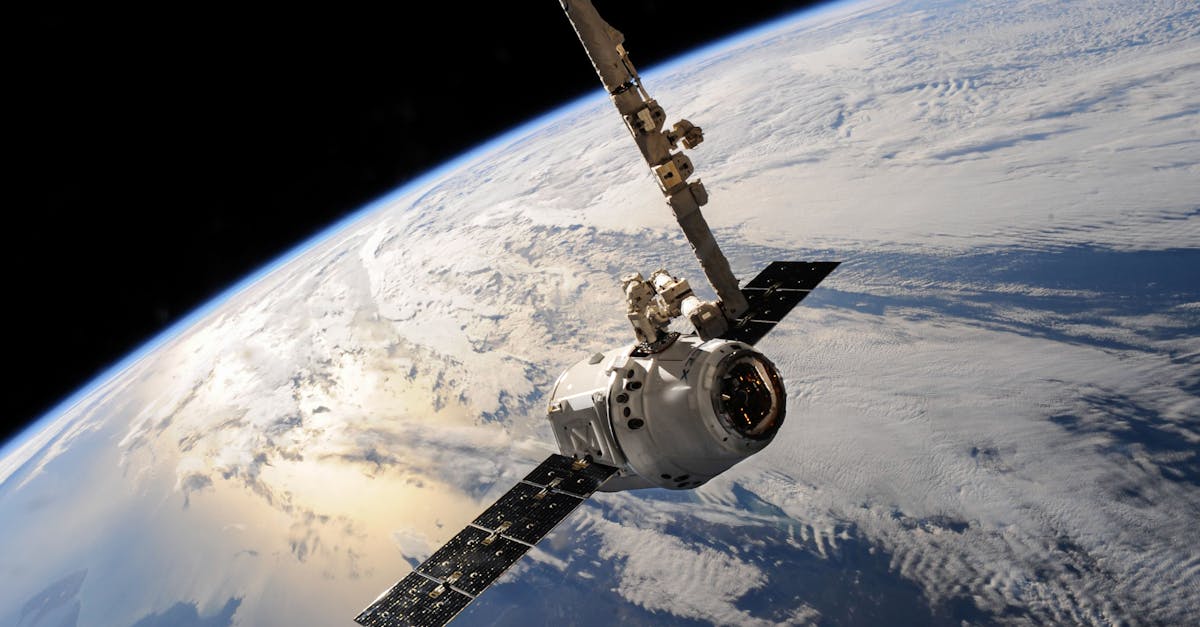
$500 Million for Orbital Maneuvering
Impulse Space raised $500 million in funding, with a focus on hiring people, not AI, according to president Eric Romo. This investment comes at a critical juncture as the orbital maneuvering market experiences significant growth. The funds will be used to expand the company’s team and enhance its capabilities in developing advanced propulsion systems. Specifically, Romo emphasized that the capital will be allocated towards recruiting top talent in engineering and manufacturing.
Human Talent in Orbital Maneuvering
Engineering physical systems, like rocket engines, depends on human talent. Romo stated, “Engineering physical systems still depends on human talent.” This perspective underscores the importance of skilled engineers and technicians in the development of complex systems. The company’s emphasis on hiring people over AI reflects its commitment to leveraging human expertise to drive innovation. For instance, Impulse Space’s team will focus on developing and testing new propulsion technologies, which requires a deep understanding of materials science, thermodynamics, and mechanical engineering.
The Orbital Maneuvering Market
The $500 million raise comes as the orbital maneuvering market heats up. Several companies are competing to develop advanced propulsion systems, which are crucial for a range of applications, including satellite deployment, space exploration, and national security. Impulse Space’s funding round highlights the growing interest in this sector and the potential for significant returns on investment. According to industry analysts, the demand for orbital maneuvering systems is expected to increase in the coming years, driven by the growing number of satellites in orbit and the need for more efficient and precise maneuvering capabilities.
Industry Context
The orbital maneuvering market is part of a larger space industry that is experiencing rapid growth. According to recent reports, the global space market is projected to reach $1 trillion by 2040, with satellite manufacturing, launch services, and space services driving much of this growth. Within this market, orbital maneuvering systems play a critical role in enabling satellites to change their orbits, avoid collisions, and extend their operational lifetimes. For example, companies like SpaceX and Blue Origin are developing advanced propulsion systems for their own satellite constellations, which will require precise and efficient maneuvering capabilities.
Technical Mechanics
Impulse Space’s focus on developing advanced propulsion systems requires a deep understanding of the technical mechanics involved. The company’s systems are designed to provide precise and efficient maneuvering capabilities, which are essential for a range of applications. By prioritizing human talent, Impulse Space is able to leverage the expertise of its engineers and technicians to drive innovation and improve its products. Specifically, the company’s propulsion systems utilize a combination of traditional and advanced materials, such as 3D-printed components and high-performance alloys.
History of Orbital Maneuvering
The development of orbital maneuvering systems has a rich history, dating back to the early days of space exploration. In the 1960s and 1970s, NASA and the Soviet space program developed some of the first orbital maneuvering systems, which were used for satellite deployment and space station operations. Since then, the technology has evolved significantly, with the development of more efficient and precise propulsion systems. Today, companies like Impulse Space are pushing the boundaries of what is possible in orbital maneuvering, with applications in a range of industries.
Market Outlook
“The market’s going to continue to find exciting new things,” Romo said. This statement reflects the company’s optimism about the future of the orbital maneuvering market and its potential for growth and innovation. With its $500 million investment, Impulse Space is well-positioned to capitalize on emerging trends and drive advancements in the industry. According to industry analysts, the company’s focus on human talent and advanced propulsion systems will be key to its success in the market.
Downstream Implications
The implications of Impulse Space’s funding round extend beyond the company itself. The investment highlights the growing demand for advanced propulsion systems and the importance of human talent in driving innovation. As the space industry continues to evolve, companies that prioritize human expertise and invest in cutting-edge technologies are likely to be at the forefront of this growth. For example, the development of more efficient and precise propulsion systems could enable new applications in satellite manufacturing, space exploration, and national security.
Future Developments
Looking ahead, Impulse Space is expected to continue to play a major role in the development of orbital maneuvering systems. With its $500 million investment, the company is well-positioned to drive innovation and growth in the industry. According to Romo, the company’s focus on human talent and advanced propulsion systems will be key to its success in the market. As the space industry continues to evolve, it will be interesting to see how Impulse Space and other companies adapt to emerging trends and technologies.
Related Articles
Russia Launches Rassvet Satellite Internet Constellation
Russia starts building Rassvet, a satellite internet network to cover the country by 2030.

Skyroot's Orbital Ambition
India's space tech sector sees a unicorn as Skyroot gears up for its first private orbital launch.

Googlebook challenges Apple’s retail play as Mac Studio prices
Google’s $899 AI‑native laptop and Apple’s store‑first philosophy clash amid rising component costs and AI‑driven hardware bets.