

Russia Launches Rassvet Satellite Internet Constellation

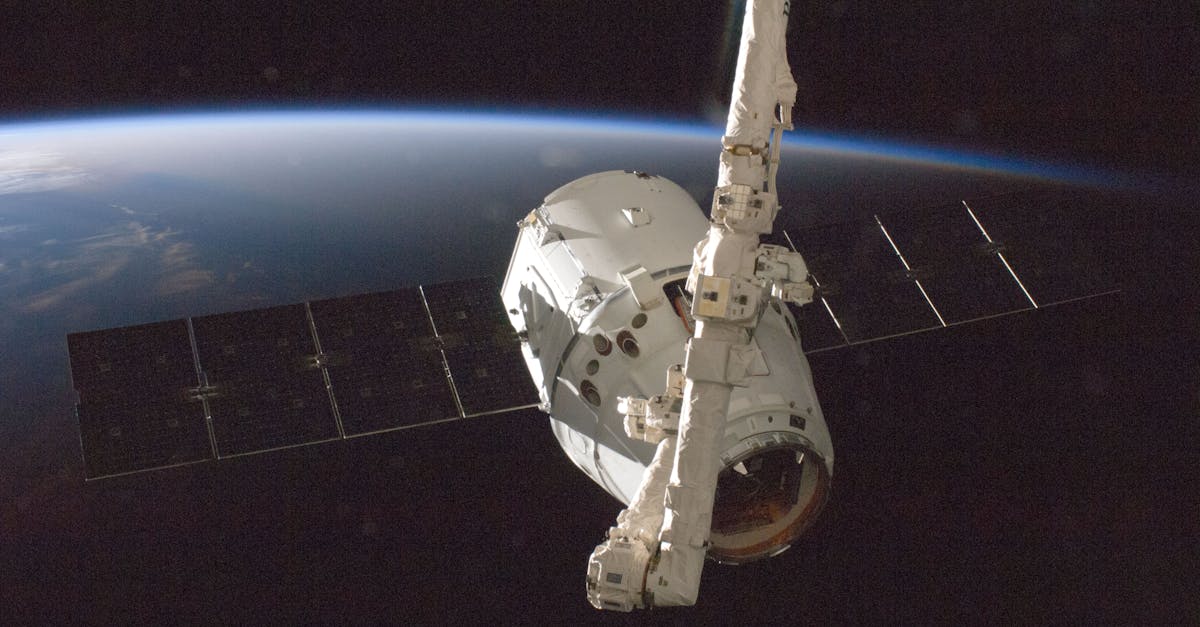
Russia’s Satellite Internet Ambitions Take Shape
On July 25, Russia launched the first 16 satellites of its Rassvet network, a project aimed at providing satellite internet across the vast country by 2030. This marks Russia’s entry into the satellite internet market with a homegrown solution.
The Global Satellite Internet Landscape
The satellite internet market is rapidly expanding, driven by companies like SpaceX’s Starlink, Amazon’s Kuiper Systems, and OneWeb. These constellations aim to provide global coverage, with Starlink already launching thousands of satellites. The market size for satellite internet is projected to reach $10 billion by 2025, with Russia seeking to capture a significant share. According to industry analysts, the increasing demand for satellite internet is driven by the need for connectivity in remote and underserved areas.
Technical and Logistical Challenges Ahead
The Rassvet constellation faces substantial technical and logistical challenges. According to the launch team, achieving nationwide coverage will require overcoming significant hurdles in satellite manufacturing, launch capabilities, and ground station infrastructure. The team emphasized the difficulty of building a large-scale satellite constellation. Specifically, Rassvet’s satellites will need to operate in a crowded frequency spectrum, and Russia will have to develop a robust ground station network to support the constellation. For instance, the launch team noted that Rassvet’s satellites will require advanced frequency management systems to minimize interference with other satellite systems.
History of Russian Satellite Internet Ambitions
Russia has a history of investing in satellite technology, with earlier projects like the Glonass navigation system and the Spektr-R telescope. However, Rassvet represents a significant escalation in scope and ambition. The project is being driven by Russia’s desire for technological sovereignty and reduced dependence on foreign satellite internet providers. Russia’s previous satellite projects have provided valuable experience and lessons learned, which are being applied to the Rassvet project.
Geopolitical Motivations and Global Landscape
Rassvet is Russia’s answer to SpaceX’s Starlink, reflecting the country’s desire for technological sovereignty and reduced dependence on foreign satellite internet providers. The launch team framed Rassvet as a strategic project to ensure Russia’s presence in the global satellite internet market. This move also underscores the growing competition in the satellite internet space, with countries like China and India also investing in their own constellations. The global satellite internet market is becoming increasingly crowded, with multiple players vying for market share.
What to Watch
The next critical milestone for Rassvet will be the planned launch of additional satellites in the coming years. Russia aims to have a fully operational network by 2030. Observers will be watching to see if Russia can overcome the technical and financial hurdles associated with building a large-scale satellite constellation. The success of Rassvet will depend on Russia’s ability to develop and deploy the necessary infrastructure, as well as navigate the complex regulatory landscape of the global satellite internet market. Key challenges include securing funding, managing technical risks, and ensuring compliance with international regulations.
Downstream Implications
The launch of Rassvet has significant implications for Russia’s digital economy and its citizens. Widespread access to satellite internet could drive economic growth, improve education and healthcare outcomes, and increase connectivity in remote areas. For example, satellite internet could enable remote schools to access online educational resources, and remote hospitals to access telemedicine services. However, the project also raises questions about the potential environmental impact of a large-scale satellite constellation and the need for responsible space debris management. Russia will need to balance the benefits of satellite internet with the potential risks and challenges.
Broader Industry Context
The satellite internet market is part of a larger trend towards space-based connectivity. Other companies, such as Amazon’s Kuiper Systems and OneWeb, are also investing heavily in satellite internet constellations. The market size for satellite internet is expected to continue growing, driven by increasing demand for connectivity in remote and underserved areas. According to industry analysts, the satellite internet market could reach $20 billion by 2030, with Russia seeking to capture a significant share.
Conclusion
The launch of Rassvet marks a significant milestone in Russia’s efforts to develop a homegrown satellite internet network. While the project faces significant technical and logistical challenges, it also presents opportunities for Russia to drive economic growth, improve education and healthcare outcomes, and increase connectivity in remote areas. As the project moves forward, observers will be watching to see if Russia can overcome the challenges and achieve its goal of providing satellite internet coverage across the country by 2030.
Updates
- 2026-08-06 — Google Wallet now lets parents set up secure balances for their kids (source)
Related Articles
Impulse Space Raises $500M to Hire, Not AI
Impulse Space secures $500 million to advance orbital maneuvering, prioritizing human talent over AI.
Starlink Expansion
SpaceX's Starlink satellite internet service expands with new partnerships and innovations, but also faces challenges and criticisms.

Starlink kills its GPS cheat code
Starlink disables location feature, researchers may find workaround