

Skyroot's Orbital Ambition


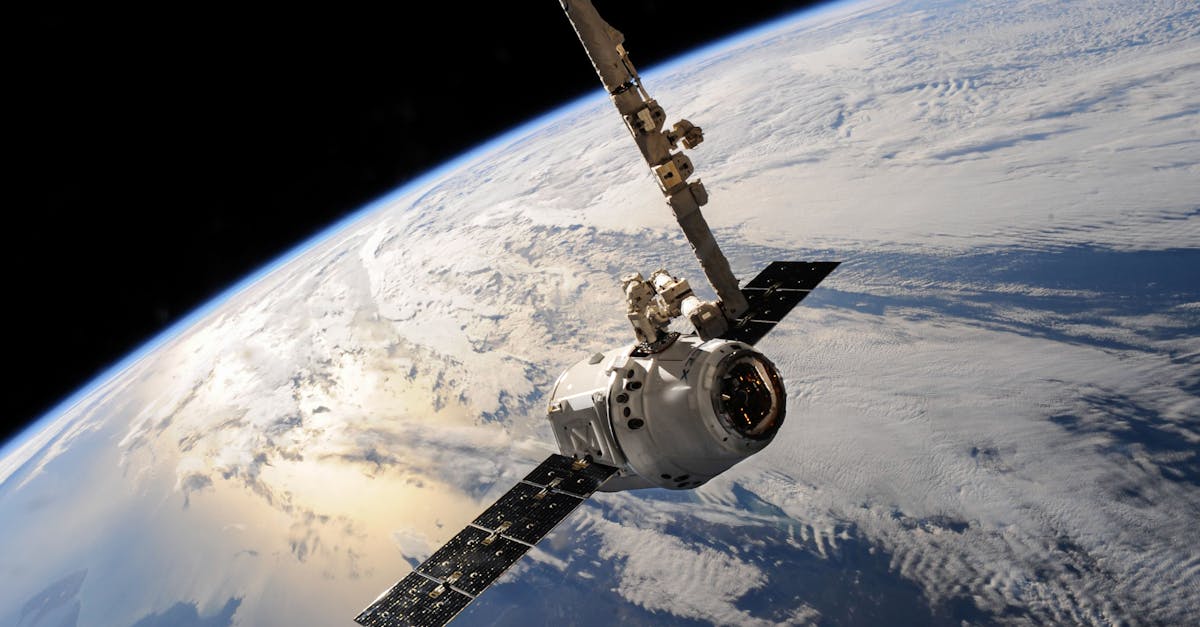
Photo by Văn Nguyễn Hoàng on Pexels
Skyroot’s Valuation Soars
India’s space tech sector has just welcomed its first unicorn: Skyroot, a rocket startup whose valuation has more than doubled since 2023. The Hyderabad-based company is now preparing for the country’s first private orbital launch, a significant milestone that could establish India as a major player in the global space industry.
The exact valuation of Skyroot is not publicly disclosed. This surge in valuation comes as the company gears up for its most ambitious project yet: the orbital launch of its Vikram rocket. Scheduled to take place later this year, the launch will be a critical test of Skyroot’s technology.
The Rise of Private Space Companies
Skyroot’s success is part of a larger trend of private companies making significant strides in the space sector. Globally, companies like SpaceX, Blue Origin, and Rocket Lab have shown that private investment can lead to innovative solutions and reduced costs in space technology. In India, Skyroot is not alone; other startups like Agnikul and Satwik are also working on their own space projects.
Technical Challenges and Industry Context
Developing a rocket capable of orbital launch requires overcoming significant technical challenges. These include designing a rocket that can reach the necessary speeds to achieve orbit, managing the heat and stress of launch, and ensuring the reliability and safety of the system. Skyroot’s Vikram rocket is designed to carry payloads to low Earth orbit, a capability that will be essential for a range of applications, from satellite deployment to scientific research.
The global space industry is rapidly evolving, with increasing demand for satellite-based services and growing investment in space technology. According to reports, the market for launch services is expected to grow significantly in the coming years, driven by the need for satellite deployment and other space-based applications. For instance, the satellite industry has seen a substantial increase in demand for launch services, with companies like SpaceX’s Starlink and Amazon’s Project Kuiper driving the growth.
History of Private Space Launches
The concept of private space launches is not new. Companies like SpaceX have been at the forefront of this movement, with their first orbital launch taking place in 2008. Since then, numerous private companies have followed suit, with some achieving significant milestones. For example, Rocket Lab’s Electron rocket has successfully launched numerous satellites into orbit. In India, Skyroot’s upcoming launch is a significant step towards establishing the country as a major player in the global space industry.
Broader Industry Context
The global space industry is expected to reach $1 trillion by 2040, with the launch services market projected to be a significant contributor to this growth. The increasing demand for satellite-based services, such as GPS, telecommunications, and weather forecasting, is driving the growth of the launch services market. Skyroot’s successful launch could position the company to capitalize on this growth, potentially leading to further investment and innovation in the Indian space sector.
Technical Mechanics
Skyroot’s Vikram rocket is designed to be a two-stage launch vehicle, with the first stage powered by a liquid-fueled engine and the second stage powered by a solid-fueled motor. The rocket’s guidance, navigation, and control systems are designed to ensure accurate placement of payloads into orbit. The development of such a complex system requires significant expertise in areas like materials science, propulsion systems, and software development.
Downstream Implications
A successful launch by Skyroot could have significant implications for the Indian space sector and the global market for launch services. It could lead to increased investment in the Indian space sector, potentially driving further innovation and growth. Additionally, it could open up new business opportunities for Skyroot, including launching payloads for international customers.
India’s Space Policy and Its Role in Supporting Growth
The Indian government has been supportive of the growth of the space sector, with initiatives like the New Space Policy 2022 aimed at promoting private investment and innovation. This policy framework has been instrumental in creating a conducive environment for startups like Skyroot to flourish. The policy encourages private companies to participate in space activities, including satellite development, launch services, and space-based applications.
Global Comparisons and Skyroot’s Position
Skyroot’s progress can be compared to that of other private space companies globally. Companies like Relativity Space and Firefly Aerospace are also working towards developing launch capabilities. However, Skyroot’s achievement of becoming India’s first space tech unicorn sets it apart. The company’s valuation and upcoming launch position it as a significant player in the Indian space sector.
What’s Next
As Skyroot prepares for its orbital launch, the company faces significant challenges but also substantial opportunities. A successful launch would not only validate Skyroot’s technology but also open up new business opportunities in the global space market. The outcome of Skyroot’s orbital launch and its implications for the Indian space sector and the global market for launch services are critical to watch.
In conclusion, Skyroot’s upcoming orbital launch is a significant milestone for the Indian space sector and the global space industry. The company’s success could have far-reaching implications, driving growth, innovation, and investment in the sector.
The Indian government has been supportive of the growth of the space sector, with initiatives like the New Space Policy 2022 aimed at promoting private investment and innovation. Skyroot’s success could be a significant step towards achieving the goals outlined in this policy.
The success of Skyroot and other Indian space startups could lead to a more vibrant and diverse space industry in India, with potential spin-offs in areas like satellite-based services and space-based applications.
Updates
Related Articles
Impulse Space Raises $500M to Hire, Not AI
Impulse Space secures $500 million to advance orbital maneuvering, prioritizing human talent over AI.
Russia Launches Rassvet Satellite Internet Constellation
Russia starts building Rassvet, a satellite internet network to cover the country by 2030.

Googlebook challenges Apple’s retail play as Mac Studio prices
Google’s $899 AI‑native laptop and Apple’s store‑first philosophy clash amid rising component costs and AI‑driven hardware bets.