

BYD ships 90K cars to Brazil as Toyota fights EV policy

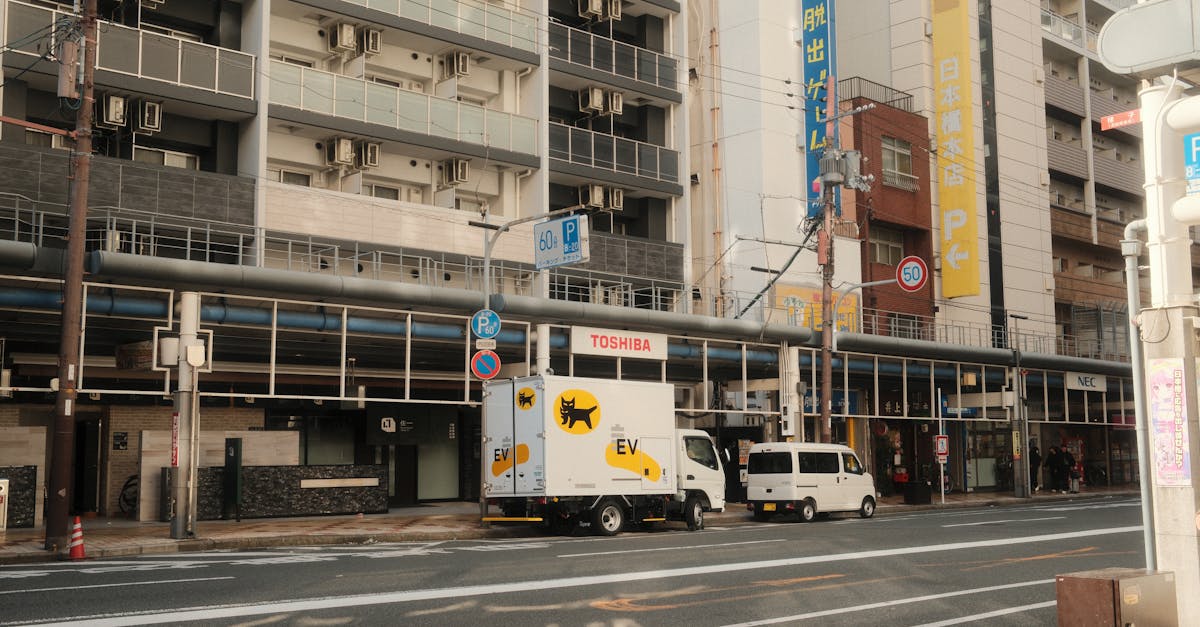
Photo by Nizar Firmansyah on Pexels
BYD shipped 89,637 vehicles to Brazil in the first quarter of 2026 while Toyota quietly lobbies Congress to slow the United States’ electric‑vehicle push, and the U.S. Postal Service awarded contracts for 9,250 battery‑electric delivery trucks. The three moves expose a market split between aggressive export growth, entrenched legacy interests, and a public agency scrambling to meet federal clean‑vehicle mandates.
BYD exported 53,355 battery‑electric passenger vehicles and 36,282 plug‑in hybrids to Brazil between January and March 2026, according to Gasgoo Research Institute. The United Kingdom followed with 17,403 units, and the United Arab Emirates took 14,885. Europe and the Middle East showed similar dual‑track mixes of BEVs and PHEVs. The data underscores BYD’s strategy of pairing battery‑only models with plug‑in hybrids to satisfy diverse regional demands.
BYD’s export surge in Brazil
Brazil now accounts for more than half of BYD’s overseas shipments. The 89,637 units shipped in Q1 dwarf the next‑largest market by a factor of five. The Brazilian mix leans toward BEVs, with 53,355 units, but the 36,282 PHEVs indicate strong demand for longer‑range flexibility.
Industry analysts attribute the boom to Brazil’s expanding urban fleets and a government push for low‑emission vehicles. BYD’s dual‑track approach lets the company hedge against charging‑infrastructure gaps while still counting BEV sales toward its global electric‑vehicle targets.
Toyota’s quiet push to stall EV incentives
Toyota executives have met with congressional leaders behind closed doors, according to The New York Times. Chris Reynolds, a senior Toyota official, argued that hybrids and hydrogen fuel‑cell cars deserve equal policy support alongside pure battery vehicles.
The automaker also leverages the Alliance for Automotive Innovation to oppose the Biden administration’s “California compromise” on EV incentives. Toyota’s stance mirrors its historic opposition to California’s stricter emissions rules under the Trump administration.
Toyota’s lobbying is striking because the company pioneered mass‑market hybrids with the 1997 Prius. Yet its current lineup lags behind rivals like Nissan, GM, and Volkswagen, which sell pure battery‑electric models in larger volumes. CEO Akio Toyoda has called the EV surge “overhyped,” citing power‑plant emissions as a core concern.
USPS commits to 9,250 BEVs amid a mixed rollout
On Tuesday, the U.S. Postal Service awarded contracts for 9,250 Ford E‑Transit battery‑electric delivery vehicles and more than 14,000 charging stations. The agency aims for a 66,000‑vehicle electric fleet by 2028, with all new purchases after 2026 required to be electric.
Delivery of the Ford trucks will not begin until December, pending an environmental impact statement and final site planning. To fill immediate gaps, USPS also ordered 9,250 internal‑combustion‑engine vans from Fiat Chrysler, acknowledging that some routes lack sufficient charging infrastructure today.
Postmaster General Louis DeJoy framed the EV push as a cost‑saving and service‑improvement measure. He stressed that the strategy mitigates both financial risk and operational disruption, allowing the agency to begin electrification now while awaiting broader market readiness.
The broader friction: policy, market, and consumer expectations
The three stories illustrate a market caught between rapid adoption and institutional inertia. BYD’s export numbers prove that demand for both BEVs and PHEVs can be cultivated with a flexible product mix. Toyota’s lobbying reveals that legacy manufacturers still view policy as a lever to protect existing investments.
Meanwhile, the USPS’s hybrid approach—mixing BEVs with gasoline vans—highlights the practical challenges of a nationwide electric rollout. Charging infrastructure, vehicle range, and route characteristics still dictate a patchwork deployment.
Consumers and fleets alike are forced to navigate these contradictions. A Brazilian driver can now choose between a pure electric BYD and a plug‑in hybrid, while an American postal worker may see a battery‑electric truck on one route and a gas‑powered van on another.
What to watch next
Track the next round of Toyota‑led lobbying meetings as Congress debates the Biden administration’s EV incentive package. Watch BYD’s Q2 export report for signs of whether the Brazil surge sustains momentum or plateaus. Follow USPS’s delivery of the first Ford E‑Transits in December and the rollout of charging stations to gauge how quickly a federal fleet can transition to full electrification.
Updates
- 2026-08-10 — Taylor Farms recalls jalapeño products for Salmonella amid Cyclospora outbreak (source)
Related Articles

China’s EV surge strains battery recycling chains
China’s electric‑vehicle boom is flooding the waste stream with batteries, exposing a fragile recycling ecosystem and prompting new consumer‑level fixes.
Ford backs Redwood to close the loop on EV batteries
Ford invests $50 million in Redwood Materials to recycle EV batteries, a move that could reshape the U.S. supply chain amid soaring demand for minerals.
Mac Mini scarcity, AI vending drama, and unexpected EV sales
A look at Mac Mini shortages, top Ethernet switches, a ruthless AI vending test, Ferrari’s EV sales surge, and recent corporate lawsuits.