

Mars Spacecraft Faces Congressional Scrutiny

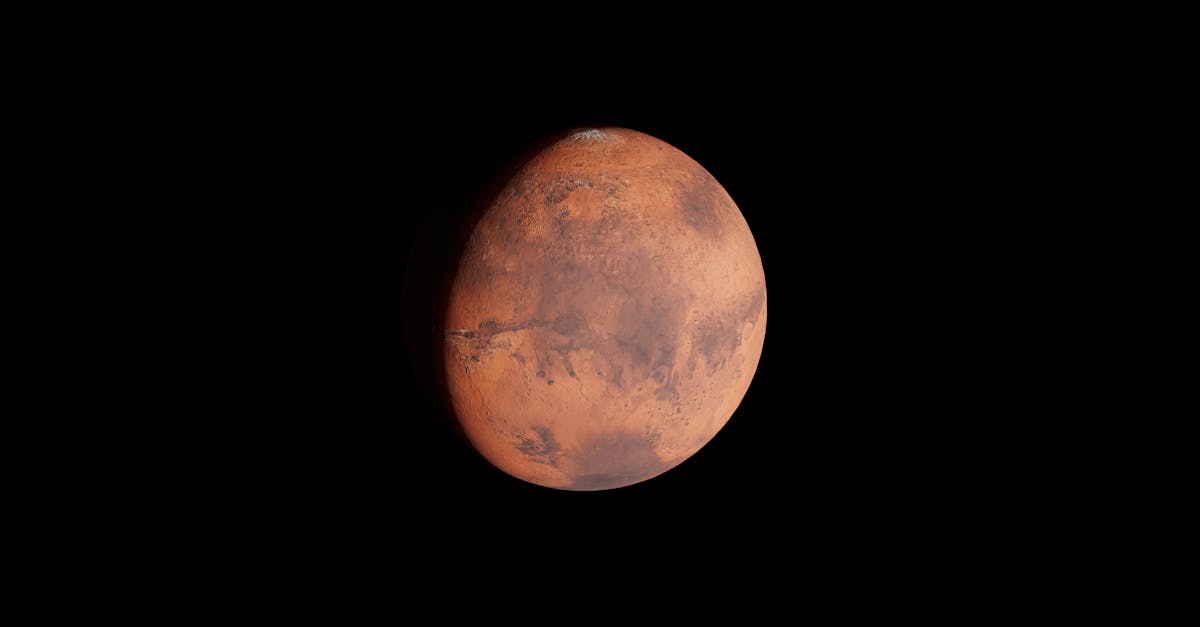
Photo by Zelch Csaba on Pexels
Scrutiny of Mars Spacecraft Heats Up
Two US senators are pressing NASA for answers on the Mars Reconnaissance Orbiter’s performance. The lawmakers are seeking information on the orbiter’s current status and actions being taken to address any issues. The Mars Reconnaissance Orbiter has been a vital asset for scientists studying the Martian surface, providing high-resolution images and data on the planet’s geology and climate.
Senators Seek Clarity
The senators’ queries come as the orbiter continues to provide crucial data on the Martian surface. ‘I think there’s plenty of fire lit under them already,’ one source noted, indicating heightened political pressure. This scrutiny is not unprecedented, as NASA’s Mars missions have faced challenges in the past. For instance, the Mars Polar Lander was lost in 1999, and the Spirit and Opportunity rovers struggled to operate in the harsh Martian environment.
Cloud of Questions
A cloud of questions surrounds the mission’s future. The senators are likely seeking answers on the orbiter’s longevity, its current operational capacity, and any potential risks to its continued functionality. The orbiter has been operating since 2005, and its continued functionality is crucial for ongoing and future Mars missions.
Broader Industry Context
The Mars Reconnaissance Orbiter is part of a larger fleet of spacecraft exploring the Martian surface. NASA’s Mars Exploration Program has been active since the early 2000s, with several successful missions, including the Spirit and Opportunity rovers, the Curiosity rover, and the InSight lander. The program has significantly advanced our understanding of Mars and its potential for supporting life. The Mars Exploration Program is a key component of NASA’s planetary science portfolio, with a focus on understanding the Martian surface and subsurface.
The Mars Reconnaissance Orbiter’s high-resolution imaging capabilities have enabled scientists to study the Martian geology and climate in unprecedented detail. The orbiter’s data has been used to identify potential landing sites for future missions, study the Martian atmosphere, and understand the planet’s geological history.
Technical Mechanics
The Mars Reconnaissance Orbiter is equipped with a high-resolution camera, known as the High Resolution Imaging Science Instrument (HIRIS), which provides detailed images of the Martian surface. The orbiter also has a suite of scientific instruments, including a spectrometer and a radar system, which are used to study the Martian geology and climate.
The orbiter’s design is based on a hybrid spacecraft architecture, which combines the benefits of a traditional monolithic spacecraft with the flexibility of a modular design. The orbiter’s modular design allows for easier integration of new instruments and enables more efficient use of resources.
History of Mars Missions
NASA’s Mars missions have faced challenges in the past, including the loss of the Mars Polar Lander in 1999 and the struggles of the Spirit and Opportunity rovers to operate in the harsh Martian environment. However, the Mars Reconnaissance Orbiter has been a success story, operating since 2005 and providing valuable data on the Martian surface.
The Mars Reconnaissance Orbiter has undergone several extensions, with its primary mission being extended multiple times. The orbiter’s longevity is a testament to the robust design and the effective operation and maintenance by NASA’s Jet Propulsion Laboratory.
What’s Next
The coming weeks will see the senators’ concerns addressed. NASA must respond to these concerns to alleviate the scrutiny. The agency will likely provide detailed information on the orbiter’s status, any ongoing maintenance or repairs, and its planned operations for the remainder of its mission. The response will help determine the future of the Mars Reconnaissance Orbiter and the continued exploration of the Martian surface.
Downstream Implications
The outcome of this scrutiny will have implications for NASA’s future Mars missions. A successful response to the senators’ concerns will help maintain confidence in the agency’s ability to manage complex space missions. However, any further issues with the Mars Reconnaissance Orbiter could raise questions about the long-term sustainability of NASA’s Mars Exploration Program.
The Mars Reconnaissance Orbiter’s continued operation is crucial for supporting future Mars missions, including the Mars 2020 rover and the European Space Agency’s ExoMars rover. The orbiter’s data will be used to identify potential landing sites, study the Martian environment, and understand the planet’s geological history.
The scrutiny faced by NASA’s Mars Reconnaissance Orbiter highlights the importance of effective communication and transparency in the management of complex space missions. The agency’s response to the senators’ concerns will be closely watched by the scientific community, policymakers, and the general public.
Related Articles
NASA's Roman Space Telescope Set for August 30 Launch
NASA targets August 30 for launching the Nancy Grace Roman Space Telescope, with 100 times Hubble's field of view.

NASA's Kepler Telescope Discovers New Solar System
NASA's Kepler telescope discovers a new solar system with eight planets, similar to our own solar system, using Google's machine learning technology.