

E-ink smart screens expand with Dory, Yota, and Inku devices

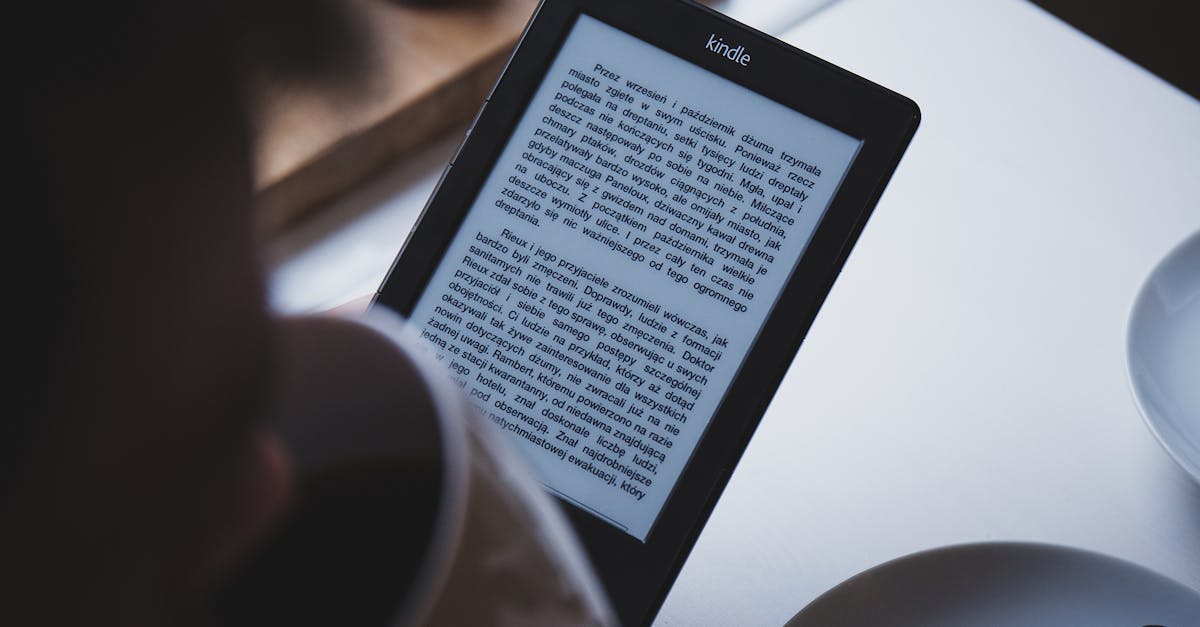
Photo by freestocks.org on Pexels
Smart signs gain traction
Dory launched a $149 e-ink sign, promising that the hardware will keep working even if the company ceases operations. This assurance comes from a simple firmware design that stores content locally on the screen. According to Dory’s CEO, the signs won’t be bricked, even if Dory goes out of business.
The price point undercuts most commercial digital signage that relies on LCD panels and constant power. By using e-ink, Dory reduces power draw to a fraction of a watt. This move could disrupt the digital signage market, which has been dominated by LCD displays.
The e-ink sign market is a growing segment, with various companies exploring its potential. For instance, e-ink signs can be used in retail environments to display prices, promotions, and product information. They can also be used in public spaces to display information, such as bus schedules, weather updates, and news.
Open platform for e-ink apps
Invisible Computers released a developer kit for its e-paper smart display. The platform requires each app to expose a settings URL and a render URL. No authentication details were provided. This open approach could lead to a variety of apps running on ultra-low-power hardware, potentially creating a new ecosystem for e-ink devices.
Developers can create apps that run as online web services, adding them to their display. The settings URL has to return a mobile-friendly HTML configuration, setup, and settings page. The render URL has to return an image in the correct resolution, which can be displayed on the e-paper screen. The Smart Display’s companion app navigates the user to the settings page of any installed app and provides authentication and authorization via a Jason Web Token (JWT).
The open platform approach could accelerate the development of e-ink apps, enabling a wider range of use cases. For example, developers could create apps for e-ink displays that integrate with popular services, such as calendar, email, or social media.
Dual-screen e-ink phone
Yota released a smartphone that pairs a conventional LCD with an always-on e-ink display. The device is available in Russia, Austria, France, Spain, and Germany. This phone aims to extend battery life by transferring web pages and other applications to the e-ink screen.
The dual-screen phone concept is not new, but the use of e-ink technology for the secondary screen is a significant innovation. Experts say it may prove attractive to users fed up with drained batteries.
The use of e-ink technology in smartphones can provide a range of benefits, including improved battery life and reduced eye strain. However, it also presents challenges, such as managing the power consumption of the two screens and ensuring seamless integration between the two displays.
A desk calendar with AI
Inku introduced an e-ink desk calendar that syncs with various services. The device costs $249, ships mid-2026, and includes a lifetime companion app worth $60. Inku offers a 30-day return policy. This calendar greets users every morning with their schedule and tasks, creating a calm visual overview of what matters.
The AI-powered calendar reads the user’s schedule and tasks, then generates a distraction-free glance at the desk. The device does not require a phone, and there are no notifications. Setup takes only 2 minutes, and users can tap their calendars and to-do lists to get started.
The e-ink desk calendar market is a niche segment, but it has potential for growth. E-ink calendars can provide a low-power, low-distraction alternative to traditional digital calendars.
Broader industry context
The e-ink market has historically been dominated by e-readers, but manufacturers are now repurposing this technology for interactive displays. The Dory signs, Yota’s secondary phone screen, and Inku’s calendar illustrate different market segments for e-ink devices.
The use of e-ink technology in these devices offers significant benefits, including low power consumption and readability in bright light. As the technology improves, we can expect to see more innovative applications of e-ink displays.
The growth of the e-ink market is driven by increasing demand for low-power displays. As more companies enter the market, we can expect to see increased competition and innovation.
History of e-ink technology
E-ink technology has been around for over two decades, primarily used in e-readers. However, recent advancements have enabled its use in interactive displays. The first e-ink displays were introduced in the early 2000s, and since then, the technology has evolved significantly.
The development of e-ink displays has been driven by the need for low-power, high-visibility displays. The technology has improved over the years, with advancements in display resolution, refresh rates, and power consumption.
Technical mechanics
E-ink displays work by using tiny microcapsules that contain positively charged white particles and negatively charged black particles. When an electric charge is applied, the particles move to the top or bottom of the microcapsule, creating the appearance of text or images on the screen.
The use of e-ink technology in interactive displays requires significant technical expertise. The displays must be designed to handle touch input, and the software must be optimized for low-power consumption.
Downstream implications
The adoption of e-ink devices has significant implications for various industries, including digital signage, smartphones, and calendars. As these devices become more widespread, we can expect to see new business models emerge.
The use of e-ink technology in these devices offers significant benefits, including low power consumption and readability in bright light. As the technology improves, we can expect to see more innovative applications of e-ink displays.
What to watch
Monitor the adoption of these devices and the development of their ecosystems. As e-ink technology continues to improve, we can expect to see more innovative applications across various industries.
The future of e-ink devices looks promising, with potential applications in areas such as smart homes, cities, and wearables. As the technology evolves, we can expect to see new use cases emerge, driving growth and innovation in the industry.
The e-ink market is expected to grow significantly in the coming years, driven by the increasing demand for low-power displays. As more companies enter the market, we can expect to see increased competition and innovation.
In conclusion, the e-ink devices from Dory, Yota, and Inku showcase the versatility and potential of e-ink technology. As the technology continues to improve, we can expect to see more innovative applications across various industries.
Updates
- 2026-08-15 — I finally found a magnetic phone grip I never want to remove (source)
- 2026-08-03 — OnePlus 15 and more have fully sold out in the US following shutdown (source)
- 2026-06-03 — Pixel 11 wallpapers have leaked with very muted colors [Gallery] (source)
- 2026-05-20 — I’ve tested the latest Switch 2 controllers, and this one is the best (source)
Related Articles

Inku: A Smarter Way to See Your Day
E-ink desk calendar with AI insights and a customizable companion avatar hits $249, ships mid-2026

Googlebook challenges Apple’s retail play as Mac Studio prices
Google’s $899 AI‑native laptop and Apple’s store‑first philosophy clash amid rising component costs and AI‑driven hardware bets.
Xiaomi MiMo 2.6, Grok 4.7, and a Wave of Mid‑Month Tech Setbacks
A roundup of Xiaomi's MiMo 2.6 launch, x.ai's Grok 4.7 update, NASA's Mars Sample Return cancellation, and other mid‑September tech headlines.