

Small Satellites Revolutionize Space Exploration

A New Era in Space Exploration
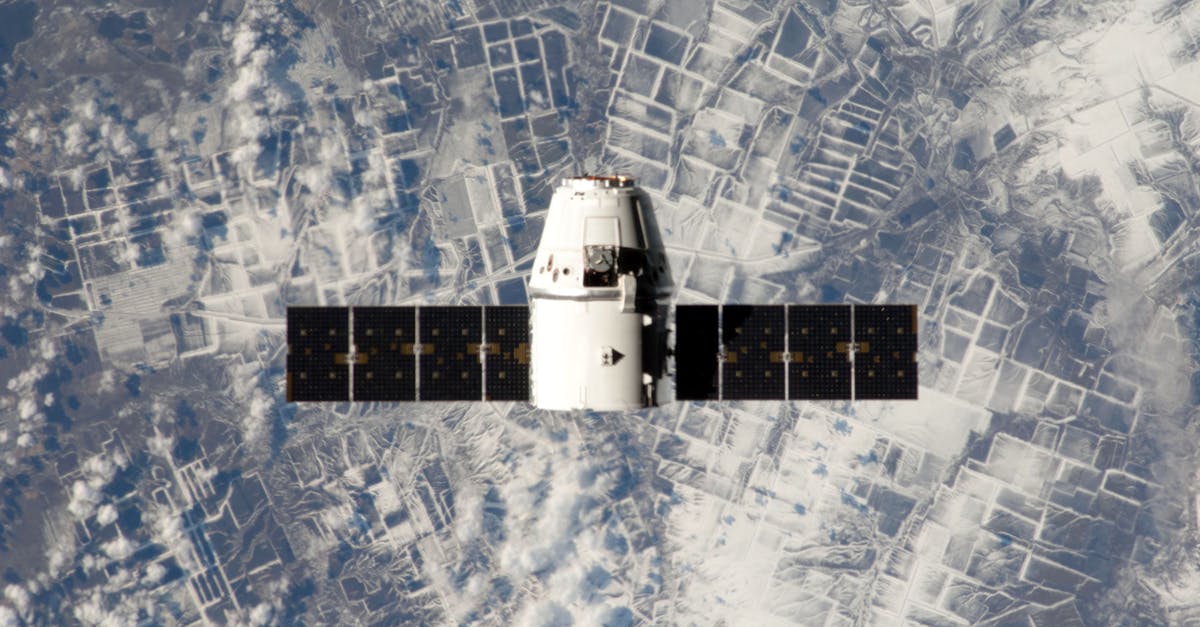
The space exploration landscape is undergoing a significant transformation. Gone are the days of decade-long planning and billions of dollars spent on a single mission. With the emergence of small satellites, the democratization of access to space is becoming a reality. This shift is not just about cost; it’s about the speed and agility that small satellites bring to space exploration.
The Rise of Small Satellites
Small satellites, also known as CubeSats, are revolutionizing the way we explore space. These miniature satellites are being developed and launched at a fraction of the cost of traditional satellites, with some launches costing as low as $10 million. Companies like Rocket Lab and Virgin Orbit are leading the charge, with Rocket Lab announcing a lunar program for its small Electron rocket and Virgin Orbit teaming up with Polish universities to launch missions to Mars.
Miniaturization of Satellite Components
The miniaturization of satellite components is a key factor in the development of small satellites. Advances in technology have enabled the creation of smaller, more efficient propulsion systems, batteries, and instruments. For instance, the development of more efficient solar panels has allowed small satellites to generate power more effectively, while advancements in battery technology have enabled them to store energy more efficiently. This trend is similar to the development of mobile phones, which now have more computing power than a machine that filled a room a few decades ago.
Democratization of Access to Space
The emergence of small satellites is democratizing access to space, enabling more countries, companies, and researchers to participate in space exploration. NASA’s MarCO spacecraft, which launched two years ago, demonstrated the potential of small satellites. The MarCO-A and MarCO-B CubeSats built by NASA deployed their own solar arrays, stabilized themselves, and journeyed to Mars. This mission showed that small satellites can play a critical role in deep space exploration.
History of Small Satellites
The concept of small satellites is not new. In the early 2000s, universities and research institutions began launching small satellites to test new technologies and gather data. NASA’s CubeSat program, established in 2009, has provided opportunities for researchers and students to develop and launch small satellites. The program has led to the development of new technologies and has paved the way for the use of small satellites in a wide range of applications.
Technical Mechanics
The technical mechanics behind small satellites are complex and involve advances in materials science, computer engineering, and propulsion systems. The miniaturization of satellite components requires significant expertise in areas such as power systems, communication systems, and navigation. For example, the development of more efficient propulsion systems has enabled small satellites to maneuver in space more effectively. Additionally, advances in computer engineering have allowed for the development of more sophisticated communication systems, enabling small satellites to transmit data back to Earth more efficiently.
Industry Context
The impact of small satellites on the space industry cannot be overstated. With the ability to launch small satellites at a fraction of the cost of traditional satellites, companies and countries are now able to participate in space exploration in ways that were previously impossible. This shift is likely to lead to new business models, partnerships, and innovations in the space industry. According to a report by SpaceX, the global satellite industry is expected to reach $1 trillion by 2040, with small satellites playing a significant role in this growth.
What’s Next
As the space exploration landscape continues to evolve, we can expect to see more small satellite launches and a greater emphasis on low-cost, fast-paced exploration. NASA’s upcoming Discovery-class missions, which have a cost cap of $450 million and a launch date late in this decade, are expected to play a significant role in this new era of space exploration. With the potential for more missions to be launched in the near future, researchers and scientists are eagerly awaiting the next opportunity to explore our Solar System.
Downstream Implications
The emergence of small satellites has significant implications for the space industry. With the ability to launch small satellites quickly and at a low cost, companies and countries are now able to participate in space exploration in ways that were previously impossible. This shift is likely to lead to new business models, partnerships, and innovations in the space industry. For example, small satellites can be used to provide Earth observation data, which can be used to monitor climate change, track natural disasters, and provide valuable insights into the Earth’s systems.
What to Watch
The next Discovery-class mission selection by NASA, expected to happen in the coming months, will be a key indicator of the future of small satellite launches. Additionally, the launch of Rocket Lab’s lunar program and Virgin Orbit’s missions to Mars will provide valuable insights into the capabilities and limitations of small satellites in deep space exploration. As the space industry continues to evolve, it will be important to watch the development of new technologies and the emergence of new players in the industry.
Environmental Impact
The growing number of small satellites in orbit has raised concerns about the environmental impact of space exploration. The increasing amount of space debris in Earth’s orbit poses a significant risk to operational spacecraft and satellites. As the number of small satellites in orbit continues to grow, it will be important to develop strategies for mitigating the environmental impact of space exploration. This may include the development of more sustainable propulsion systems, the use of biodegradable materials, and the implementation of regulations to reduce the amount of space debris.
Conclusion
The emergence of small satellites is revolutionizing the space exploration landscape. With the democratization of access to space, the potential for more countries, companies, and researchers to participate in space exploration is becoming a reality. As the technology continues to evolve, we can expect to see new breakthroughs and innovations in the space industry.
Updates
Related Articles

China's Tiangong Achieves Artificial Photosynthesis Breakthrough
Chinese astronauts on the Tiangong space station have successfully demonstrated a new artificial photosynthesis technology, converting carbon dioxide and water into oxygen and rocket fuel ingredients.

Space Exploration's New Frontiers
NASA and private companies push the boundaries of space travel and exploration.

The Next Giant Leap: NASA's Ambitious Plans for Space Exploration
From returning to the Moon to exploring Mars, NASA is pushing the boundaries of space travel. But with budget cuts looming, can the agency achieve its ambitious goals?