

China's Tiangong Achieves Artificial Photosynthesis Breakthrough


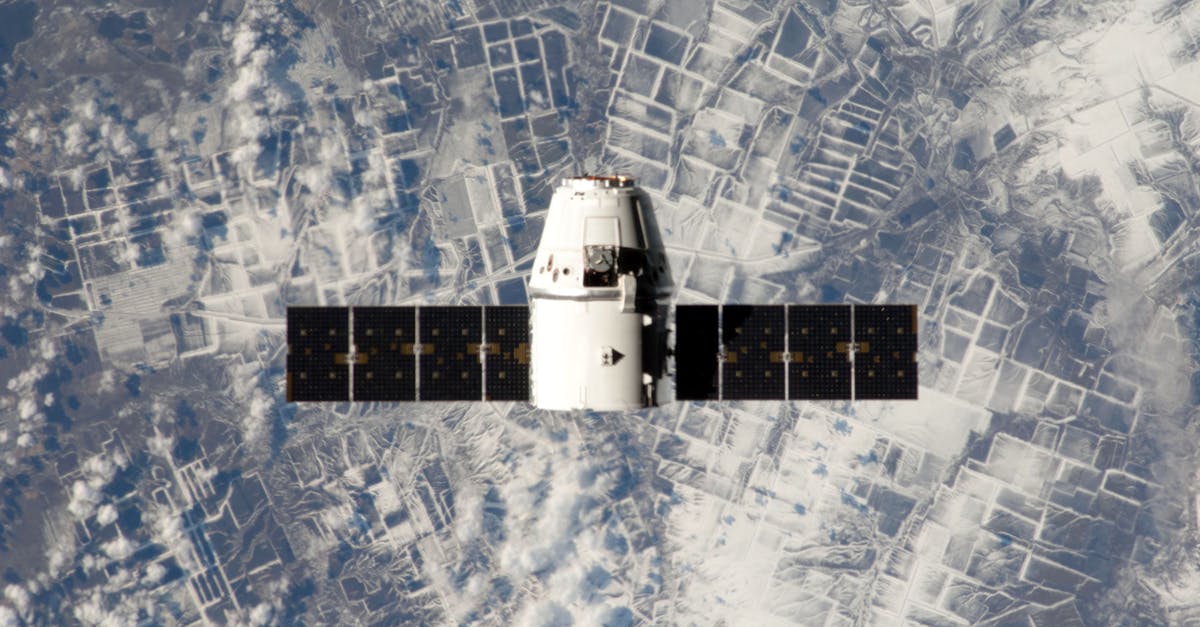
Photo by Zelch Csaba on Pexels
China’s Tiangong Space Station Achieves Artificial Photosynthesis Breakthrough
Chinese astronauts on board the Tiangong space station have successfully demonstrated a new way of making rocket fuel products and breathable oxygen by mimicking a chemical reaction in plants. This breakthrough technology could be utilized in China’s planned moon base.
The artificial photosynthesis technology, which has been in development since 2015, converts carbon dioxide and water into oxygen and rocket fuel ingredients using a simple “drawer-like” apparatus and a “semiconductor catalyst.”
How it Works
This process is similar to photosynthesis in plants, which produces glucose instead of rocket fuel. In this case, the astronauts created the hydrocarbon ethylene, which can be used as rocket fuel. The process involves converting carbon dioxide and water into oxygen and organic compounds using sunlight or other forms of energy.
History of Artificial Photosynthesis Research
Artificial photosynthesis research has been ongoing for several years, with scientists exploring various methods to mimic the process in plants. The development of this technology marks a significant step forward in China’s space exploration ambitions. Researchers have been experimenting with different materials and techniques to improve the efficiency and scalability of artificial photosynthesis.
Future Applications
The technology could potentially be used by astronauts in China’s proposed lunar base, enabling them to create breathable air and rocket fuel for return flights to Earth, potentially using water that is already on the moon. This could significantly enhance the sustainability of long-term space missions.
China’s Space Ambitions
China aims to send humans to the moon by 2030 and build a lunar base by 2035. The new tests are the latest of several experiments carried out on board Tiangong, including growing lettuce and tomatoes and lighting a match in space for the first time.
Industry Context
The development of artificial photosynthesis technology marks a significant step forward in China’s space exploration ambitions. The global space industry is rapidly evolving, with both government agencies and private companies investing heavily in space technology. Artificial photosynthesis could provide a critical component for sustainable space exploration.
The space industry’s growth is driven by declining launch costs, advances in materials and manufacturing, and increasing demand for satellite-based services. China’s space program has made significant strides in recent years, including landing a rover on the far side of the moon and launching a crewed space station.
The use of artificial photosynthesis in space exploration could have far-reaching implications, enabling longer-term missions and reducing reliance on Earth-based supplies. This technology could also have applications in other fields, such as renewable energy and environmental sustainability.
Technical Mechanics
The artificial photosynthesis process involves converting carbon dioxide and water into oxygen and organic compounds using sunlight or other forms of energy. The technology uses a semiconductor catalyst to facilitate the reaction, which requires minimal energy input. This makes it a more efficient and sustainable option compared to traditional methods of producing oxygen and rocket fuel.
Regulatory Implications
The successful demonstration of this technology could have significant implications for future space missions, enabling astronauts to produce essential resources such as oxygen and rocket fuel. Regulatory bodies will need to consider the safety and efficacy of this technology for use in space exploration.
What to Watch
China’s planned moon base is expected to be completed within a decade, and the artificial photosynthesis technology could play a crucial role in sustaining human life on the lunar surface. The development of this technology could also have significant implications for future space missions, including the potential for longer-term space exploration.
Downstream Implications
The artificial photosynthesis technology could have significant downstream implications for the space industry. It could enable longer-term space missions, reduce reliance on Earth-based supplies, and enhance the sustainability of space exploration. The technology could also have applications in other fields, such as renewable energy and environmental sustainability.
The use of artificial photosynthesis could also have implications for the global energy market, potentially disrupting traditional methods of producing fuel and oxygen. As the technology continues to develop, it could become a critical component of sustainable space exploration and have far-reaching implications for the global energy landscape.
Conclusion
The successful demonstration of artificial photosynthesis on the Tiangong space station marks a significant breakthrough in China’s space exploration ambitions. The technology has the potential to enhance the sustainability of long-term space missions and could play a crucial role in China’s planned moon base. As the space industry continues to evolve, artificial photosynthesis could become a critical component of sustainable space exploration.
Related Articles
Small Satellites Revolutionize Space Exploration
New technologies enable faster, low-cost space exploration with small satellites.

Space Exploration's New Frontiers
NASA and private companies push the boundaries of space travel and exploration.

The Next Giant Leap: NASA's Ambitious Plans for Space Exploration
From returning to the Moon to exploring Mars, NASA is pushing the boundaries of space travel. But with budget cuts looming, can the agency achieve its ambitious goals?