

App Store Boom

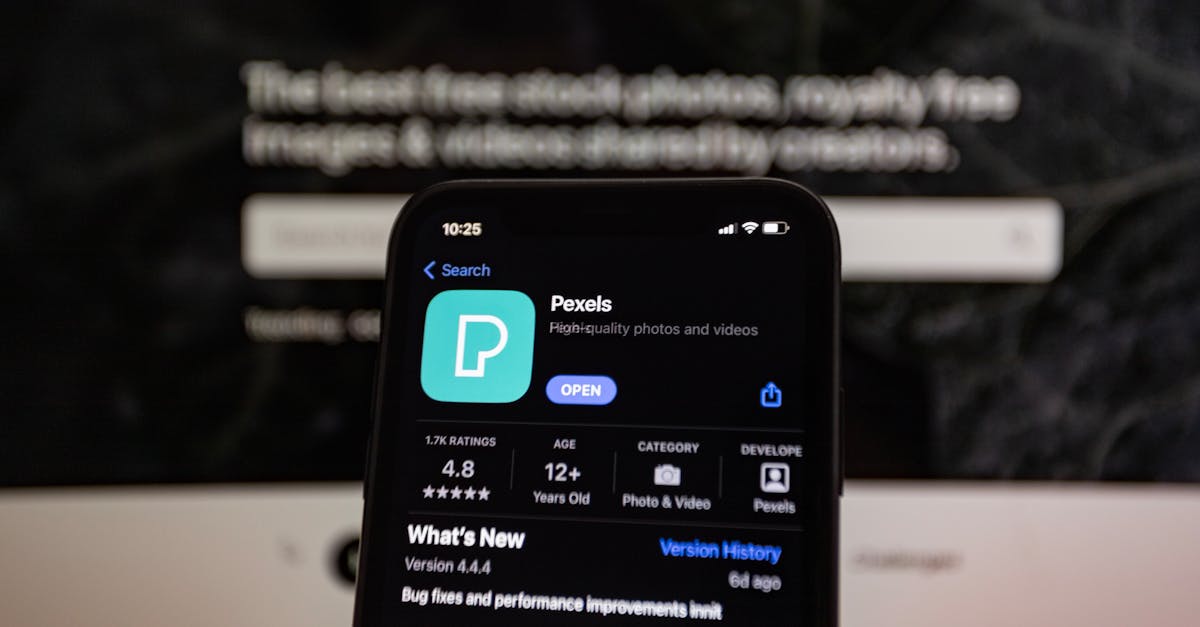
Photo by Bastian Riccardi on Pexels
App Store Resurgence
The App Store is experiencing a resurgence, with new app launches increasing by 60% year-over-year across both Apple’s App Store and Google Play. This surge is driven by AI-powered tools, making it easier for creators to design mobile software without requiring extensive technical skills.
AI-Driven Growth
According to Appfigures, the number of new app releases is up 104% across both stores compared to the same time last year, and up 89% on iOS. This growth is attributed to the rise of AI-powered tools, such as Claude Code and Replit, which enable developers to build apps more quickly and efficiently.
New App Categories
The surge in new app releases is not limited to traditional categories. Instead, new categories such as productivity, utilities, and lifestyle apps are experiencing significant growth. Mobile games still account for most new app releases worldwide, but the rise of AI-powered tools is driving innovation in other areas.
Play Dead App
The Play Dead app, developed by nugs, offers Deadheads unprecedented access to the Grateful Dead’s live legacy, with high-resolution audio recordings and newly transferred, mastered, and enhanced recordings from the vault. The app is available on both the App Store and Google Play, with standalone subscriptions starting at $9.99 per month.
Dwarf Mini Smart Telescope
DwarfLab has released the Dwarf Mini Smart Telescope, a compact, app-controlled device designed to make astrophotography more accessible. Weighing just 820g, the telescope automatically locates and tracks celestial objects, enabling users to capture long-exposure images without the complexity associated with traditional astronomy equipment.
Stac Framework
Stac is a Server-Driven UI framework for Flutter, allowing developers to build and update app UI on the fly without waiting for app store reviews. The framework uses a Dart DSL to write UI, which is then delivered as a JSON payload and rendered natively on the client at runtime.
Image AI Models
Image AI models are driving app growth, with releases generating 6.5x more downloads than traditional model updates. ChatGPT and Gemini have seen significant increases in downloads after releasing their respective image models, with OpenAI’s 4o image-generation model leading to an estimated $70 million in gross consumer spending.
Broader Industry Context
The app development landscape is evolving rapidly, with AI-powered tools democratizing access to mobile software creation. This shift is expected to have far-reaching implications for the tech industry, with potential applications in areas such as education, healthcare, and entertainment. As the App Store continues to boom, it’s essential to watch for new app releases, particularly in emerging categories such as productivity and lifestyle.
History of AI-Powered App Development
The rise of AI-powered app development tools is a recent phenomenon, driven by advances in machine learning and natural language processing. Earlier attempts at app development tools, such as app builders and drag-and-drop interfaces, have given way to more sophisticated AI-powered solutions. The impact of these tools on the app development landscape remains to be seen, but early indicators suggest a significant shift towards more accessible and efficient app creation.
Downstream Implications
As the App Store continues to boom, developers and investors alike are taking notice. The rise of AI-powered app development tools is expected to have significant downstream implications, including changes to app development workflows, new business models, and shifts in consumer behavior. Apple’s public betas for iPadOS 26.5 and watchOS 26.5 are also worth monitoring, as they may indicate future updates and features for Apple devices.
What to Watch
As the App Store continues to boom, it’s essential to watch for new app releases, particularly in emerging categories such as productivity and lifestyle. The rise of AI-powered tools is driving innovation, and developers should be aware of the opportunities and challenges presented by these technologies. Apple’s public betas for iPadOS 26.5 and watchOS 26.5 are also worth monitoring, as they may indicate future updates and features for Apple devices.
Technical Mechanics
The technical mechanics behind AI-powered app development tools are complex and multifaceted. These tools rely on advances in machine learning and natural language processing to enable developers to build apps more quickly and efficiently. The use of Dart DSL and JSON payloads in Stac, for example, allows developers to write UI and deliver it as a JSON payload, which is then rendered natively on the client at runtime.
The Role of Indie Developers
Indie developers are playing a crucial role in driving innovation on the App Store. With the rise of AI-powered tools, indie developers are able to create complex and sophisticated apps that rival those produced by larger studios. For example, the indie app ‘Cats Lock’ solves a common problem for cat owners, demonstrating the potential for indie developers to create practical and useful apps.
Conclusion
The App Store boom is driven by AI-powered tools, making it easier for creators to design mobile software without requiring extensive technical skills. As the app development landscape continues to evolve, it’s essential to watch for new app releases, particularly in emerging categories such as productivity and lifestyle. The rise of AI-powered tools is driving innovation, and developers should be aware of the opportunities and challenges presented by these technologies.
Updates
- 2026-09-07 — How to find and hide an app on Android Auto (source)
- 2026-08-14 — Unforgetful is a new reminders app for people who can’t stop hitting snooze (source)
- 2026-08-01 — Indie App Spotlight: ‘Overflight’ lets you glance at what planes are flying above you (source)
- 2026-07-31 — 9to5Mac Daily: July 31, 2026 – iOS 27 features, Apple lawsuit (source)
- 2026-05-22 — Meta quietly launches a new Reddit-like app called Forum (source)
Related Articles

Apple Seeks Up to 15% Commission on External iOS App Purchases
Apple proposes commission on external iOS app purchases
Google Must Ease Rival App Store Installs
Judge orders Google to simplify rival app store installs

Apple Sued Over App Store Crypto Scam
Three users sue Apple for $1.8M in losses due to a fraudulent crypto wallet on the App Store