

Weather app revamp sparks user backlash

Weather app revamp sparks user backlash
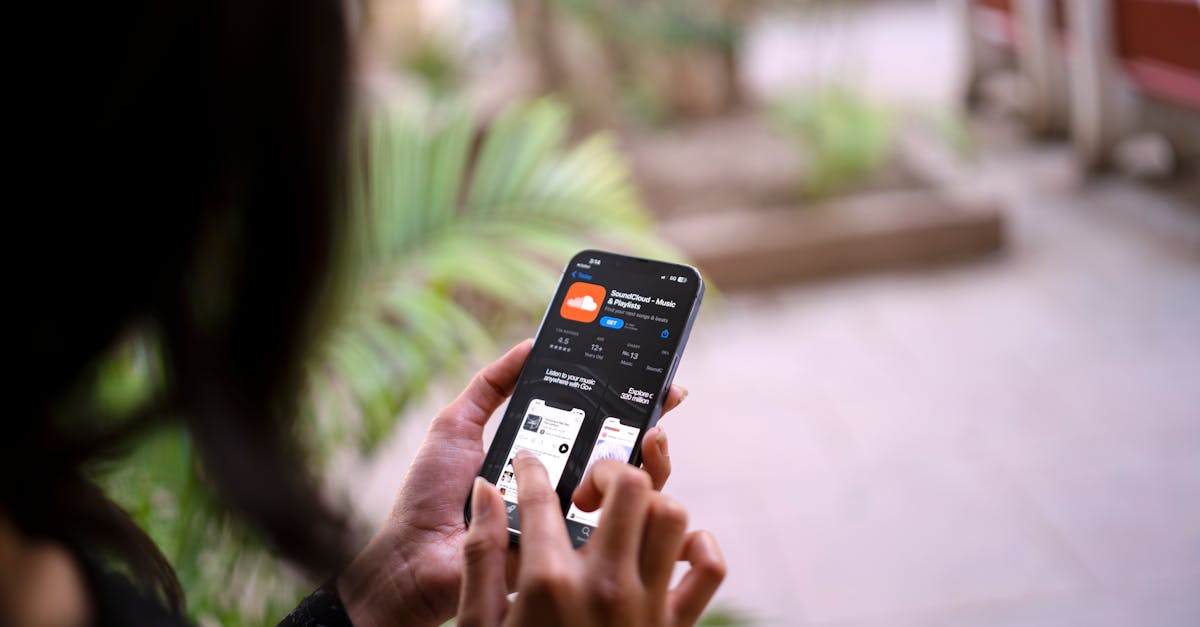
AcuRite Now, a weather-monitoring service used by thousands of home and business customers, has introduced a mandatory app overhaul that removes key functionality and replaces it with a subscription model. Users who rely on the older app for local forecasts or device integrations now face a hard choice: switch to a stripped-down version or pay for access to previously free tools. The move has ignited complaints on social media and tech forums, with many calling it a bait-and-switch tactic.
The new AcuRite Now app lacks features like historical weather data, customizable alerts, and advanced radar views that were standard in the prior version. According to user reports, the company has disabled older software for certain account types, forcing them onto the updated interface. A company FAQ page acknowledges these changes but frames them as necessary for “improved performance”—a claim users say ignores the loss of core functionality.
A history of forced upgrades
This isn’t the first time AcuRite has alienated its customer base. In 2022, the company removed offline map support from its weather app, prompting a wave of negative reviews. At the time, CEO John Hensley defended the change by stating, “We’re shifting toward continuous web connectivity to enable real-time features.” Critics argued the move punished users with spotty internet access. Now, the subscription-based revamp appears to follow the same pattern of leveraging platform control to drive recurring revenue.
The new app’s subscription tier, priced at $9.99/month, restores access to the missing features but adds caveats. Users report that even with a paid plan, the interface feels less intuitive than the original. The company has not published a timeline for when the older app will be fully deprecated, leaving some customers in limbo. This ambiguity compounds frustration, especially for long-time users who invested in AcuRite’s ecosystem of weather stations and sensors.
The subscription playbook in action
AcuRite’s strategy mirrors broader industry trends where companies phase out free tools in favor of paid subscriptions. The approach has worked well for products like Adobe Creative Cloud, but it falters when users feel deprived of existing capabilities rather than gaining new ones. In AcuRite’s case, the backlash highlights a tension between enterprise monetization and customer retention in the IoT space. Smaller firms often lack the brand loyalty to pull off these transitions smoothly.
What makes this transition particularly contentious is the lack of alternative distribution channels. Unlike software companies that maintain open-source forks or third-party marketplaces, AcuRite controls both app store listings and backend access to its services. This creates a monopoly of convenience for users who don’t want to lose access to their weather data entirely. Competitors like Weather.com and AccuWeather offer similar features without such abrupt changes, but switching services would require abandoning AcuRite’s proprietary hardware integrations.
What’s next for anxious customers?
AcuRite now faces pressure to address the growing discontent. The company has not commented on whether it will reverse course, pause the deprecation timeline, or offer migration incentives. However, the situation sets up a critical test for its customer trust. If the backlash persists, the company risks seeing a sharp drop in active users—a vulnerability exacerbated by its reliance on recurring payments.
The most immediate watchpoint is the Federal Trade Commission’s (FTC) ongoing review of app deprecation policies. While the agency hasn’t targeted AcuRite specifically, recent cases in the consumer electronics space suggest regulators are paying closer attention to forced upgrades. If the FTC takes action, the company might be required to grandfather older features for existing users. Independent watchdog groups are already compiling data to support such claims.
Updates
- 2026-09-16 — The new Boox e-ink devices get Android 16 out of the box, including Palma 3 (source)
- 2026-08-17 — This sub-$7,000 sportscar might be just what the future needs (source)
- 2026-08-14 — Hyperscalers might regret embracing natural gas if new forecast proves correct (source)
- 2026-07-30 — Forward-deployed engineers are the AI industry’s latest talent obsession (source)
- 2026-06-07 — JMGO’s N3 Ultimate projector is the new portable 4K champ (source)
Related Articles

Googlebook challenges Apple’s retail play as Mac Studio prices
Google’s $899 AI‑native laptop and Apple’s store‑first philosophy clash amid rising component costs and AI‑driven hardware bets.
Xiaomi MiMo 2.6, Grok 4.7, and a Wave of Mid‑Month Tech Setbacks
A roundup of Xiaomi's MiMo 2.6 launch, x.ai's Grok 4.7 update, NASA's Mars Sample Return cancellation, and other mid‑September tech headlines.

Apple's rapid RC rollout pressures macOS developers
Apple released second release candidates for macOS Tahoe and Sequoia, while beta streams for Golden Gate and iOS 27.2 accelerate, sparking developer strain and highlighting ecosystem frictions.