

Ebola Outbreak Spreads in Congo and Uganda

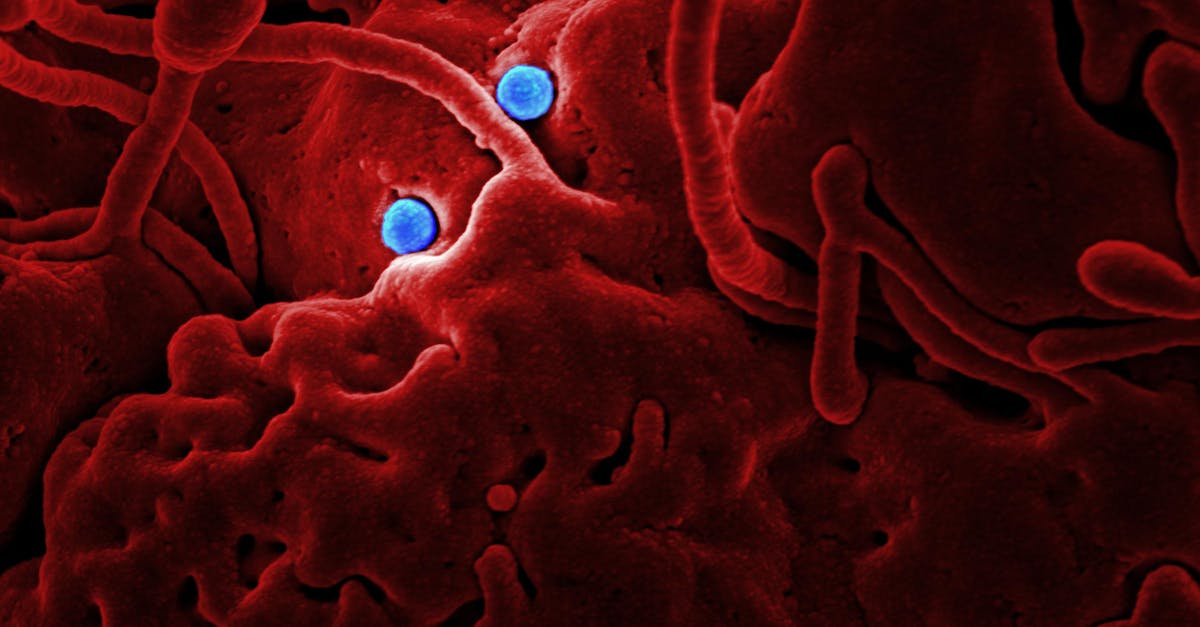
The Outbreak Unfolds
A rapidly spreading Ebola outbreak with an uncommon strain has killed 65 people in Congo and Uganda, prompting health officials to take swift action. The World Health Organization (WHO) learned of potential cases on May 5, and the US Centers for Disease Control and Prevention (CDC) said it was just informed of the outbreak yesterday. The WHO and other health organizations are working to understand the strain and develop effective countermeasures.
The Strain and Its Implications
The strain of Ebola responsible for the outbreak is uncommon, which could complicate efforts to contain it. Ebola outbreaks are often difficult to control, and the virus can spread quickly in areas with limited healthcare infrastructure. According to the WHO, the outbreak is caused by a viral disease that affects humans and non-human primates. The virus is typically spread through direct contact with bodily fluids, such as blood, sweat, and saliva.
The Response Effort
Health officials are racing to respond to the outbreak, with a focus on containing the spread of the virus and providing medical care to those infected. The response effort involves coordination between local health authorities, international organizations, and governments. The goal is to quickly identify and isolate cases, as well as provide supportive care to patients. The WHO and other health organizations are working together to coordinate the response effort and provide guidance and support as needed.
The History of Ebola Outbreaks
Ebola outbreaks have occurred sporadically in Africa over the years, with the first recorded outbreak occurring in 1976. The virus is typically spread through direct contact with bodily fluids, such as blood, sweat, and saliva. The disease is severe, with mortality rates ranging from 25% to 90%. According to the WHO, there have been several Ebola outbreaks in Africa since 1976, including outbreaks in the Democratic Republic of Congo, Republic of Congo, Gabon, and Uganda. For instance, in 2014, an Ebola outbreak in West Africa resulted in over 11,000 deaths.
Industry Context
The Ebola outbreak highlights the ongoing challenges of infectious disease control in Africa. The region has struggled with a range of health crises, from Ebola to cholera to malaria. The international community has a critical role to play in supporting local health systems and responding to outbreaks. According to the WHO, the global response to the outbreak is critical in preventing the spread of the disease and saving lives. The WHO has been working with governments and health organizations to strengthen health systems and improve preparedness for outbreaks.
Technical Mechanics
Ebola is a viral disease that affects humans and non-human primates. The virus is typically spread through direct contact with bodily fluids, and the disease can be severe, with high mortality rates. The development of effective treatments and vaccines has been a priority, with several candidates in various stages of testing. According to the WHO, several treatments and vaccines are being developed to combat the disease, including antiviral medications and vaccines. For example, the WHO has been working with pharmaceutical companies to develop and distribute Ebola vaccines.
What’s Next
The situation is fluid, and health officials are urging calm and cooperation. The next few weeks will be critical in determining the course of the outbreak. The WHO and other health organizations will continue to monitor the situation and provide guidance and support as needed. The public can help by staying informed and following proper precautions to prevent the spread of the virus.
Regulatory Implications
The Ebola outbreak has significant regulatory implications, particularly in terms of international health regulations. The WHO has a critical role to play in coordinating the global response to the outbreak, and governments must work together to share information and coordinate their responses. According to the WHO, the international community must work together to prevent the spread of the disease and save lives.
Downstream Implications
The Ebola outbreak has significant downstream implications, particularly in terms of the impact on local communities and the global response effort. The outbreak has the potential to spread quickly, particularly in areas with limited healthcare infrastructure. According to the WHO, the global response effort must be coordinated and effective in order to prevent the spread of the disease and save lives. The outbreak also highlights the need for sustained investment in global health infrastructure, including healthcare systems, surveillance, and research.
Conclusion
The Ebola outbreak in Congo and Uganda is a rapidly evolving situation that requires a swift and effective response. The WHO and other health organizations are working together to coordinate the response effort and provide guidance and support as needed. The public can help by staying informed and following proper precautions to prevent the spread of the virus.
Future Directions
The international community must remain vigilant and work together to control the outbreak and prevent further spread. This includes providing financial and technical support to affected countries, as well as sharing information and coordinating responses. The WHO and other health organizations must also continue to monitor the situation and provide guidance and support as needed.
Long-term Consequences
The Ebola outbreak has significant long-term consequences, particularly in terms of the impact on global health security. The outbreak highlights the need for sustained investment in global health infrastructure, including healthcare systems, surveillance, and research. It also underscores the importance of international cooperation and coordination in responding to outbreaks. The WHO and other health organizations must work together to develop and implement effective strategies for preventing and responding to outbreaks, and to ensure that the global community is better prepared to address future health crises.
Related Articles
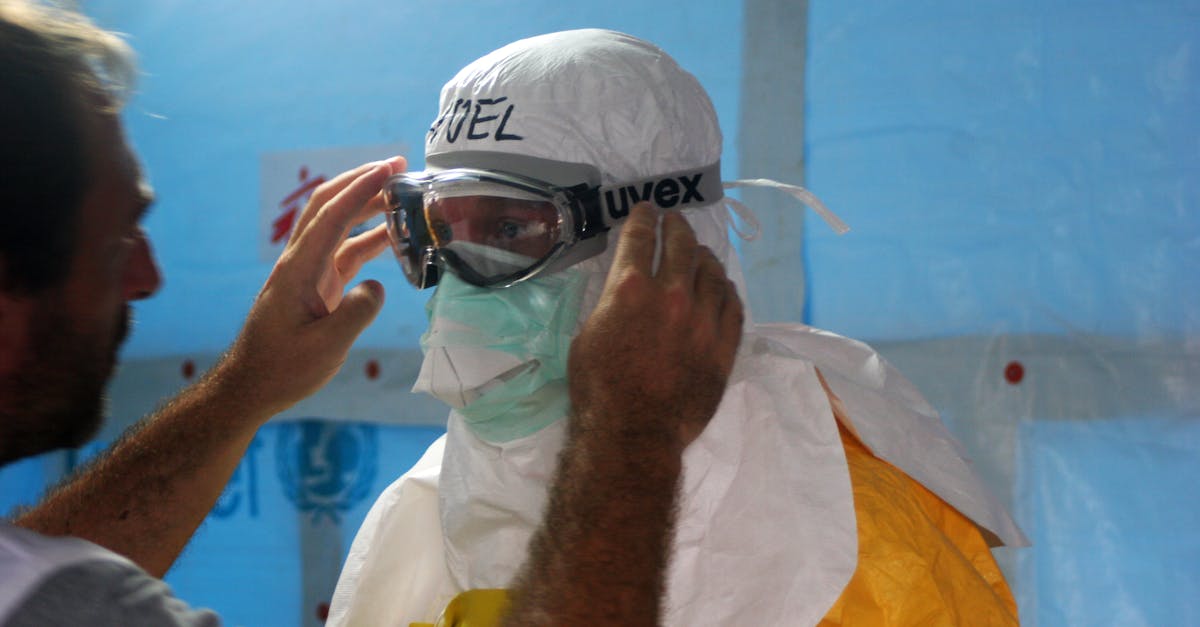
US bars Ebola-exposed Americans, sends them to Europe
The Trump administration sent Americans exposed to Ebola to Berlin and Prague instead of allowing them to return to the US, sparking criticism.

Googlebook challenges Apple’s retail play as Mac Studio prices
Google’s $899 AI‑native laptop and Apple’s store‑first philosophy clash amid rising component costs and AI‑driven hardware bets.

Xiaomi MiMo 2.6, Grok 4.7, and a Wave of Mid‑Month Tech Setbacks
A roundup of Xiaomi's MiMo 2.6 launch, x.ai's Grok 4.7 update, NASA's Mars Sample Return cancellation, and other mid‑September tech headlines.