Tech Giants and US Universities Back National AI Research Cloud


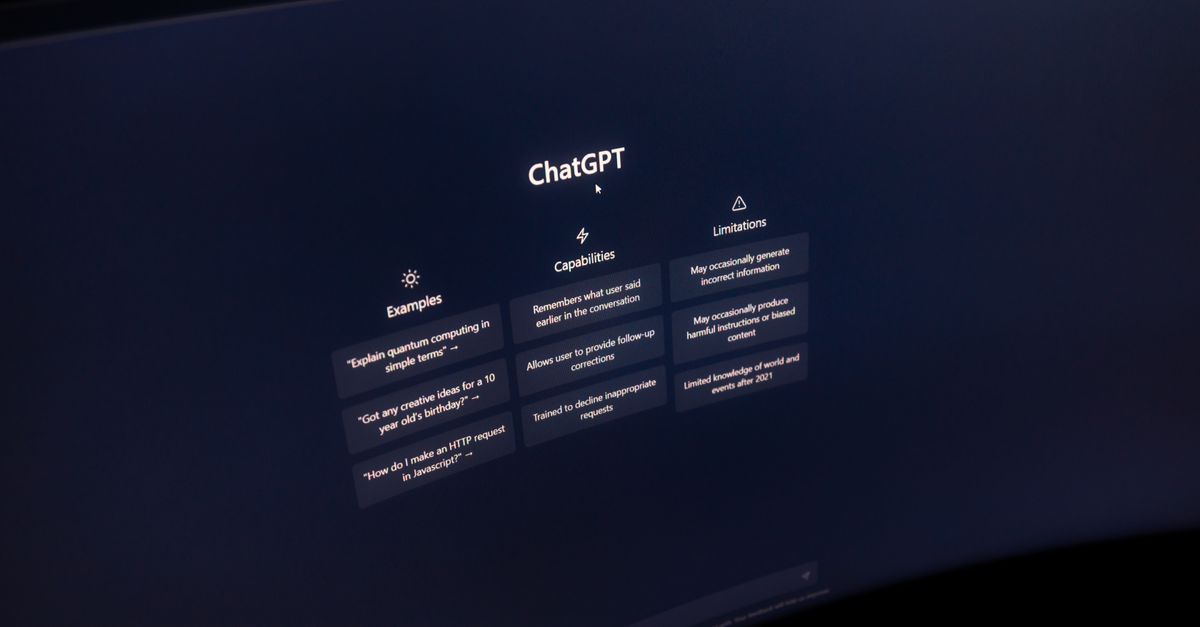
Photo by Markus Winkler on Pexels
Top US AI Research Institutes and Tech Giants Support National AI Research Cloud
Leading US universities engaged in AI research have joined tech giants Google, Amazon Web Services, Microsoft, IBM, and NVIDIA in backing legislation aimed at establishing a roadmap for the creation of a national AI research cloud. Organizations such as the Allen Institute for AI, IEEE, and OpenAI are also supporting the bipartisan and bicameral National AI Research Resource Task Force Act.
The proposed research cloud aims to remove high-cost compute and data resource entry barriers, democratize AI R&D outside of elite universities and big technology companies, and further enable the application of AI approaches across scientific fields and disciplines.
History of the National AI Research Cloud
The idea of a national AI research cloud was first proposed last year by Fei-Fei Li and John Etchemendy, co-directors of the Institute for Human-Centered Artificial Intelligence (HAI) at Stanford University. A March 2020 HAI blog post envisions the National Research Cloud as a partnership between academia, government, and industry to provide researchers with affordable access to high-end computational resources, large-scale government-held datasets in a secure cloud environment, and necessary expertise.
Broader Industry Context
The push for a national AI research cloud comes as the US faces increasing competition from other countries in the field of AI. The initiative aims to maintain US competitiveness in AI and ensure that the country remains a leader in AI research. Other countries, such as China, have been actively investing in AI research and development, and the US government recognizes the need to stay ahead in this rapidly evolving field.
The global AI market size is projected to reach $190 billion by 2025, growing at a CAGR of 38% from 2020 to 2025. The US AI market is expected to account for a significant share of this growth, driven by the presence of major AI players, including Google, Amazon, Microsoft, and IBM.
Technical Mechanics
The proposed research cloud would provide researchers with access to high-end computational resources, including graphics processing units (GPUs) and tensor processing units (TPUs), which are essential for training and testing AI models. The cloud would also provide access to large-scale government-held datasets, which are critical for developing and testing AI systems. By providing researchers with access to these resources, the national AI research cloud aims to accelerate AI research and development in the US.
The use of GPUs and TPUs in AI research has become increasingly important, as they provide the necessary processing power to train complex AI models. The development of these technologies has been driven by the growth of the AI industry, with major players investing heavily in their development.
Implications and Support
Twenty-two US universities signed a letter addressed to President Trump and US Congress in support of the research cloud, saying it “could be one of the most strategic research investments the federal government has ever made.” The National AI Research Resource Task Force Act was introduced in the US House of Representatives last month by Representatives Anna G. Eshoo (D-CA), Anthony Gonzalez (R-OH), and Mikie Sherrill (D-NJ); and in the Senate by the founding co-chairs of the Senate AI Caucus Senators Rob Portman (R-OH) and Martin Heinrich (D-NM).
The legislation has received support from various industry leaders, including the CEO of Google, Sundar Pichai, who emphasized the importance of investing in AI research and development.
Downstream Implications
The legislation would assemble a group of technical experts across academia, government and industry to develop a detailed plan for how the US can build, deploy, govern and sustain a national AI research cloud. As AI continues to play a critical role in technological advancements, it remains to be seen how this initiative will unfold and impact the future of AI research in the US. The national AI research cloud could have significant implications for the development of AI applications in various industries, including healthcare, finance, and transportation.
The development of AI applications has the potential to drive significant economic growth, with estimates suggesting that AI could add up to $15.7 trillion to the global economy by 2030.
What’s Next
The next step is to see how the National AI Research Resource Task Force Act progresses through the legislative process and how the proposed research cloud is implemented. Key stakeholders to watch include the US government, leading universities, and tech giants such as Google, Amazon Web Services, Microsoft, IBM, and NVIDIA.
The implementation of the national AI research cloud will require significant investment and coordination between various stakeholders. However, the potential benefits of the initiative make it an important step towards maintaining US competitiveness in AI and driving economic growth.
Future Directions
The national AI research cloud has the potential to drive significant advancements in AI research and development. However, it is essential to ensure that the initiative is implemented in a way that promotes transparency, accountability, and fairness.
The development of AI systems must prioritize these values, and the national AI research cloud must be designed to support the development of AI systems that are transparent, accountable, and fair.
Conclusion
The national AI research cloud is an important initiative that has the potential to drive significant advancements in AI research and development. The support of leading US universities and tech giants is a testament to the importance of this initiative.
As the initiative moves forward, it is essential to prioritize transparency, accountability, and fairness in the development of AI systems. The national AI research cloud has the potential to drive significant economic growth and improve the lives of citizens, and it is essential to ensure that it is implemented in a way that promotes these values.
Updates
- 2026-09-10 — 4 groups caught using the same Chrome and Windows exploit kit (source)
- 2026-09-08 — How To Reset The Camera Settings On Your iPhone (source)
- 2026-08-27 — How to adjust the custom EQ settings for your AirPods in iOS 27 (source)
- 2026-08-04 — Peak Design’s latest bags have clever integrated hooks (source)
Related Articles