

Intel Reorgs Foundry

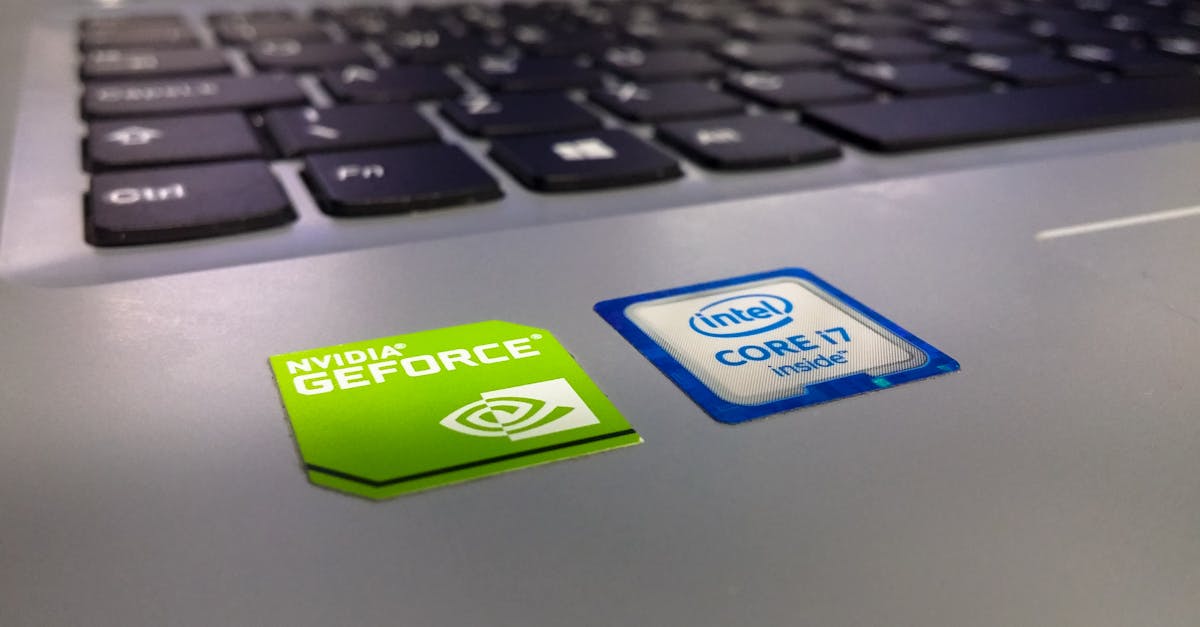
Photo by Jordan Harrison on Pexels
Leadership Shift at Intel
Intel’s executive vice president, Dr. Ann Kelleher, has announced plans to retire later this year after three decades at the company. Kelleher has been responsible for developing Intel’s fabrication technologies since 2020. Her retirement marks a significant shift in leadership as Intel prepares to start production on its 18A process technology.
The succession plan was revealed five months ago, and Kelleher will be succeeded by Naga Chandrasekaran, who will oversee front-end process technology development and manufacturing. Chandrasekaran comes from Micron, where he was in charge of global technology development, advanced packaging, and emerging technology solutions. Navid Shahriari will lead a newly created organization focused on back-end chip production, including Assembly Test Technology Development, Die Manufacturing/Manufacturing Operations, Assembly Test Manufacturing, and C4 Wafer Sort operations.
Context and Implications
Intel’s 18A process technology is the company’s first leading-edge node designed for both its own products and external customers. The new process technology is expected to bring significant performance improvements and power efficiency. The leadership shift comes at a critical time for Intel, as the company is about to start production on its 18A process technology.
The appointment of Chandrasekaran and Shahriari is seen as a strategic move by Intel to integrate technology development and production under one leadership. This is likely to ensure fast ramps, low defect density, and low performance variability. Chandrasekaran’s experience in unifying technology development and production teams at Micron is expected to be instrumental in guiding Intel’s foundry priorities.
Industry Landscape
The semiconductor industry is highly competitive, and Intel’s leadership shift comes at a time when the company is facing intense competition from other manufacturers. AMD is bringing improved FSR 4 upscaling to its older GPUs, and Apple is reportedly testing Intel’s 18A-P process to make iPhone and Mac chips. The initial run will focus on older Apple Silicon systems.
The industry’s competitiveness is further highlighted by the ongoing investments in research and development. Companies like AMD and Apple are continuously working to improve their products and stay ahead of the competition. Intel’s ability to deliver high-quality products with improved performance and power efficiency will be critical to its competitiveness in the semiconductor industry.
Technical Mechanics
The 18A process technology is a significant improvement over Intel’s previous nodes. The new process technology uses a combination of techniques, including extreme ultraviolet lithography and fin field-effect transistors, to achieve higher performance and power efficiency. The 18A process technology is expected to be used in a wide range of applications, from mobile devices to data center servers.
The technical advancements in the 18A process technology are a result of Intel’s significant investments in research and development. The company has been working to improve the performance and power efficiency of its process technologies, and the 18A process technology is a major milestone in this effort. The use of extreme ultraviolet lithography, for example, allows for the creation of smaller transistors, which in turn enables the development of more powerful and efficient chips.
History of Process Technology Development
Intel has been working on the development of its 18A process technology for several years. The company has made significant investments in research and development to improve the performance and power efficiency of its process technologies. The 18A process technology is the result of these efforts and is expected to be a major milestone in Intel’s foundry business.
The development of the 18A process technology has not been without its challenges. Intel has faced significant technical hurdles in the development of the new process technology, including the need to improve the yield and performance of the chips. However, the company’s experience and expertise in the field have enabled it to overcome these challenges and develop a highly competitive process technology.
Downstream Implications
The success of the 18A process technology will have significant implications for Intel’s customers and partners. The company’s ability to deliver high-quality products with improved performance and power efficiency will be critical to its competitiveness in the semiconductor industry. The leadership shift and the appointment of Chandrasekaran and Shahriari are seen as strategic moves to ensure that Intel can meet its production targets and deliver high-quality products to its customers.
The downstream implications of the 18A process technology extend beyond Intel’s customers and partners. The new process technology is expected to have a significant impact on the broader semiconductor industry, as it will enable the development of more powerful and efficient chips. This, in turn, will drive innovation and growth in a wide range of industries, from mobile devices to data center servers.
What’s Next
As Intel starts production on its 18A process technology, the company is expected to face significant challenges in terms of yield and performance. The leadership shift is seen as a strategic move to ensure that the company can meet its production targets and deliver high-quality products to its customers. The success of the 18A process technology will be critical to Intel’s future growth and competitiveness in the semiconductor industry. The company’s ability to execute on its foundry priorities will be closely watched by investors and industry analysts.
Updates
Related Articles
AMD, Intel, Nvidia, and Dell reshape PC hardware roadmaps
AMD commits to AM5 support until 2029, Intel debuts low-cost AI chip, Nvidia enters PC silicon market, and Dell counters MacBook Neo.

Apple and Intel Preliminary Chip Deal
Apple and Intel have a preliminary deal for chip production

Googlebook challenges Apple’s retail play as Mac Studio prices
Google’s $899 AI‑native laptop and Apple’s store‑first philosophy clash amid rising component costs and AI‑driven hardware bets.