

Plastic Pollution

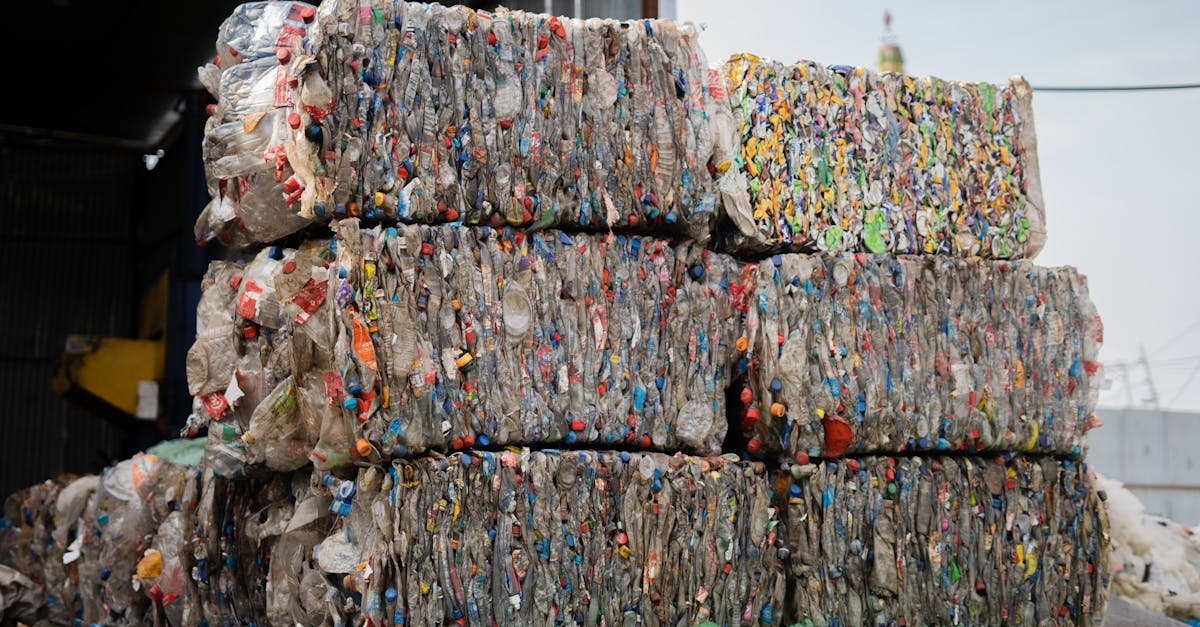
Photo by Gaurav Ranjitkar on Pexels
Introduction to Plastic Pollution
Plastic products release trillions of microscopic particles into water. Recent studies have found that plastic products exposed to water release these particles. The issue of plastic pollution has become a significant concern in recent years, with many experts warning about the potential harm it can cause to human health and the environment.
Types of Plastic Materials
Plastic materials are made up of polymers. Researchers categorize microscopic particles from these plastics into two groups: micro- and nanoplastics. Microplastics are smaller than 5 millimeters, while nanoplastics are smaller than one micrometer. The distinction between these two types of particles is crucial, as they have different effects on the environment and human health.
Studies on Plastic Products
A study analyzed commercial plastic products, such as nylon bags and hot beverage cups coated with low-density polyethylene. The cups were exposed to water at 100 degrees Celsius for 20 minutes. The researchers used a new approach to detect the nanoparticles released. This study is significant, as it highlights the potential risks associated with the use of plastic products in everyday life.
Industry Context
The production and use of plastic products are widespread, with many industries relying on them for packaging, storage, and other purposes. However, the increasing awareness of the risks associated with plastic pollution has led to a growing demand for alternative materials and more sustainable practices. Companies are now under pressure to reduce their plastic usage and develop more environmentally friendly products.
History of Plastic Pollution
The issue of plastic pollution is not new, with studies dating back to the 2010s highlighting the potential risks associated with plastic products. For example, a 2011 study found that most plastic products release estrogenic chemicals, which can have harmful effects on human health and the environment. This study was a wake-up call for many experts, who began to investigate the issue further and raise awareness about the potential risks associated with plastic pollution.
Technical Mechanics
The process by which plastic products release microscopic particles into water is complex and not yet fully understood. However, researchers believe that it involves the breakdown of plastic materials into smaller particles, which can then be released into the environment. This process can be influenced by various factors, including the type of plastic material, the temperature and pressure of the water, and the presence of other substances that can interact with the plastic.
Downstream Implications
The issue of plastic pollution has significant downstream implications, with many industries and individuals affected by the potential risks associated with plastic products. For example, the fishing industry may be affected by the presence of microplastics in the water, which can harm marine life and contaminate the food chain. Additionally, the use of plastic products in everyday life can have significant environmental and health impacts, with many experts warning about the potential risks associated with plastic pollution.
What’s Next
The issue of plastic pollution continues to grow, with many experts warning about the potential risks associated with plastic products. The National Institute of Standards and Technology is expected to continue its research on plastic particles and their impact on human health and the environment. As the awareness of the issue grows, it is likely that we will see significant changes in the way plastic products are designed, produced, and used.
Broader Industry Context
The plastic industry is a significant sector of the global economy, with millions of tons of plastic produced every year. The industry is dominated by a few large companies, which produce a wide range of plastic products, from packaging materials to consumer goods. However, the growing awareness of the risks associated with plastic pollution is leading to a shift towards more sustainable practices, with many companies investing in research and development of alternative materials.
Regulatory Framework
The regulatory framework surrounding plastic pollution is complex and varies by country. In the United States, the Environmental Protection Agency (EPA) is responsible for regulating the use of plastic products and ensuring that they do not harm the environment. However, the EPA’s regulatory powers are limited, and the agency has faced criticism for not doing enough to address the issue of plastic pollution.
Consumer Awareness
Consumer awareness of the risks associated with plastic pollution is growing, with many people taking steps to reduce their use of plastic products. This includes using reusable bags and water bottles, avoiding products with microbeads, and supporting companies that use sustainable packaging. As consumer awareness grows, it is likely that we will see a shift towards more sustainable practices, with companies responding to consumer demand for environmentally friendly products.
Updates
Related Articles

Googlebook challenges Apple’s retail play as Mac Studio prices
Google’s $899 AI‑native laptop and Apple’s store‑first philosophy clash amid rising component costs and AI‑driven hardware bets.

Xiaomi MiMo 2.6, Grok 4.7, and a Wave of Mid‑Month Tech Setbacks
A roundup of Xiaomi's MiMo 2.6 launch, x.ai's Grok 4.7 update, NASA's Mars Sample Return cancellation, and other mid‑September tech headlines.

Apple's rapid RC rollout pressures macOS developers
Apple released second release candidates for macOS Tahoe and Sequoia, while beta streams for Golden Gate and iOS 27.2 accelerate, sparking developer strain and highlighting ecosystem frictions.