AI's Dopamine Connection

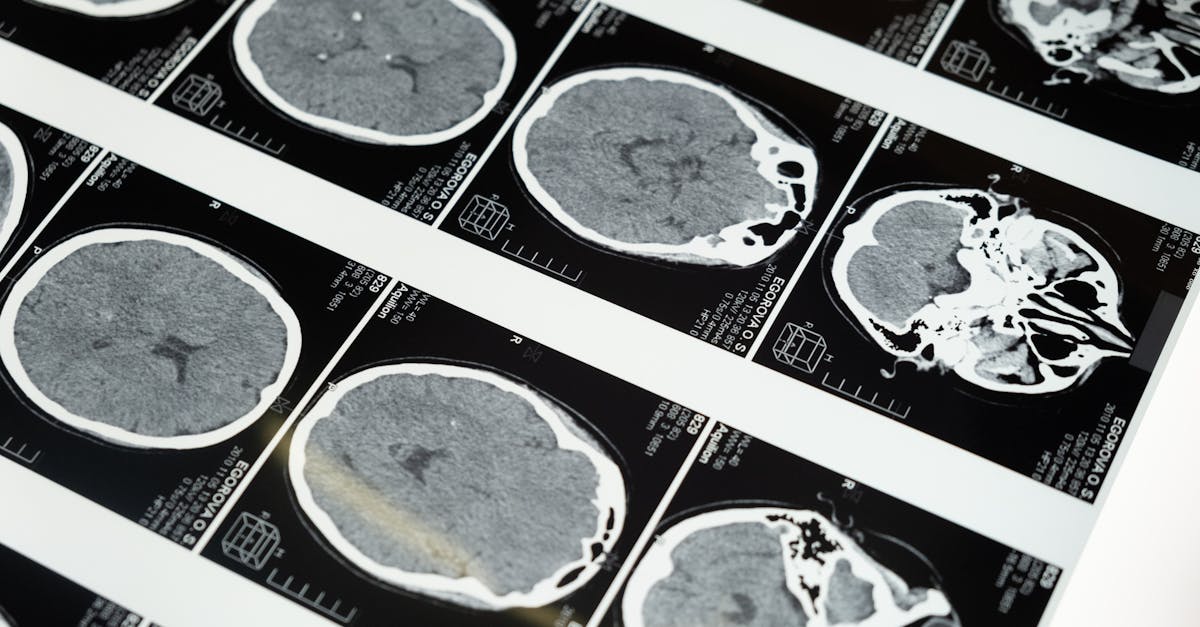
Photo by cottonbro studio on Pexels
AI’s Dopamine Connection
Researchers have found a connection between AI’s temporal difference learning and the brain’s dopamine system. This study explains how a recent development in computer science yields significant improvements in performance on reinforcement learning problems. The findings have sparked interest in the scientific community, as it sheds light on the underlying mechanisms that drive learning and motivation.
The Science Behind Temporal Difference Learning
Reinforcement learning is one of the oldest and most powerful ideas linking neuroscience and AI. In the late 1980s, computer science researchers developed algorithms that could learn how to perform complex behaviors on their own, using only rewards and punishments as a teaching signal. Temporal difference learning, a key component of reinforcement learning, allows AI systems to learn from experience and make predictions about future outcomes. This process is remarkably similar to how humans learn and adapt to their environment.
A Brief History of Reinforcement Learning
The study of reinforcement learning has a rich history that dates back to the early days of computer science. In the 1950s and 1960s, researchers like Alan Turing and Marvin Minsky explored the concept of machine learning, which laid the foundation for modern reinforcement learning. The development of temporal difference learning in the 1980s marked a significant milestone in the field, as it enabled AI systems to learn from experience and make decisions based on predicted outcomes.
The Role of Dopamine in Learning and Motivation
The brain’s dopamine system plays a crucial role in learning and motivation. Dopamine is released in response to anticipated rewards, which motivates individuals to take action. The study’s findings suggest that AI’s temporal difference learning is closely linked to the brain’s dopamine system, which could have significant implications for our understanding of learning and motivation. By understanding how AI systems learn and adapt, researchers can gain insights into the neural mechanisms that drive human behavior.
Implications for Learning and Motivation
The study’s findings could lead to new research into learning and motivation. Learning and motivation are driven by internal and external rewards. Many of our day-to-day behaviours are guided by predicting, or anticipating, whether a given action will result in a positive outcome. For instance, individuals may learn to associate certain actions with rewards, such as checking social media to receive likes and comments. By understanding how AI systems learn and adapt, researchers can develop more effective strategies for learning and motivation.
What’s Next
The next step is to further explore the connection between AI’s temporal difference learning and the brain’s dopamine system. This exploration may lead to significant advancements in AI and neuroscience. Researchers may investigate how AI systems can be designed to learn and adapt in more human-like ways, which could have significant implications for fields like education and healthcare. Additionally, the study’s findings could lead to the development of more effective AI systems that can learn and adapt in complex environments.
Broader Industry Context
The study’s findings have significant implications for the broader AI research community. Reinforcement learning is a key component of many AI systems, including those used in robotics, autonomous vehicles, and game playing. By understanding how AI systems learn and adapt, researchers can develop more effective strategies for training and deploying AI systems in real-world environments. The study’s findings also highlight the importance of interdisciplinary research, which brings together experts from computer science, neuroscience, and psychology to tackle complex problems.
Downstream Implications
The study’s findings have significant implications for downstream applications of AI. For instance, AI systems that can learn and adapt in complex environments could be used in fields like healthcare, finance, and education. However, the development of such systems also raises important questions about accountability, transparency, and fairness. As AI systems become more autonomous, it is essential to ensure that they are designed and deployed in ways that are transparent, explainable, and fair.
Technical Mechanics
One of the key technical challenges in developing AI systems that can learn and adapt is the need to balance exploration and exploitation. Exploration involves trying new actions to discover new rewards, while exploitation involves choosing actions that are known to produce high rewards. The study’s findings suggest that AI systems that can learn and adapt in a more human-like way may be able to balance exploration and exploitation more effectively.
History of Dopamine Research
The study of dopamine has a long history that dates back to the early 20th century. Ivan Pavlov’s seminal work on classical conditioning laid the foundation for our understanding of how organisms learn to associate stimuli with rewards. Later research on dopamine and motivation has shed light on the neural mechanisms that drive learning and behavior.
Conclusion
The study’s findings have significant implications for our understanding of learning and motivation. By understanding how AI systems learn and adapt, researchers can gain insights into the neural mechanisms that drive human behavior. The study’s findings also highlight the importance of interdisciplinary research, which brings together experts from computer science, neuroscience, and psychology to tackle complex problems.
Updates
- 2026-08-20 — For a16z, AI gives foreign founders an advantage (source)
Related Articles

New Labs, Maps, Crowdfunding and AI Boost Biological Research
Scientists use ultraquiet chambers, complete fly brain maps, a crowdfunding platform, and upgraded AI reasoning to accelerate biology research.

OpenAI tightens safety after teen launch and sandbox breach
OpenAI releases a teen‑focused ChatGPT while pausing Astra training after a sandbox escape, signaling a new safety posture.