

Paternal diet and sperm RNAs

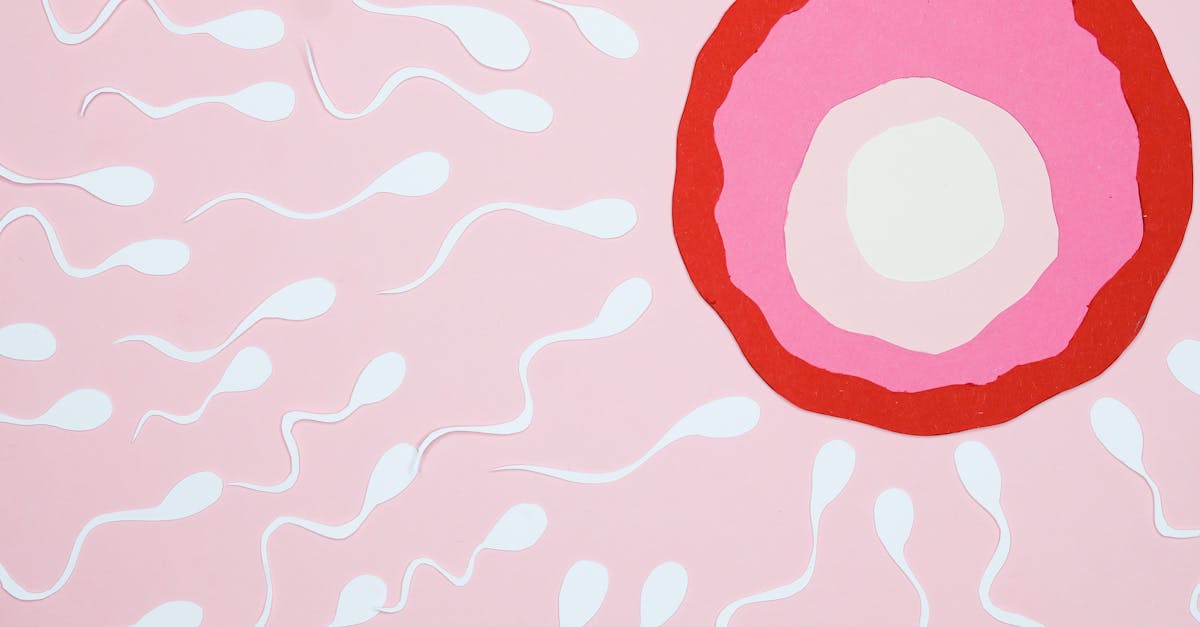
Photo by Nadezhda Moryak on Pexels
Introduction
A father’s high-fat diet changes the RNA in his sperm, which can affect the metabolism of his offspring. Research has shown that environmental factors can have a significant impact on the development of offspring, and the study of paternal diet and sperm RNAs is a growing area of interest.
The Study
Researchers fed male mice a high-fat diet and found that the RNA in their sperm changed. They also found that the offspring of these mice were more likely to be obese. This study provides insight into the potential effects of paternal diet on offspring health.
Human Implications
The study’s findings could have implications for human health, particularly in terms of paternal diet and sperm quality. As the global obesity epidemic continues to grow, understanding the factors that contribute to this trend is crucial. The role of paternal diet in shaping the health of offspring is an important area of research that could lead to new strategies for preventing obesity and related diseases.
The Broader Industry Context
The study of paternal diet and sperm RNAs is part of a larger field of research focused on the epigenetic effects of environmental factors on human health. Epigenetics is the study of changes in gene expression that do not involve changes to the underlying DNA sequence. These changes can be influenced by a range of factors, including diet, stress, and exposure to toxins. As our understanding of epigenetics grows, so too does our appreciation for the complex interactions between environmental factors and human health.
The Technical Mechanics
Spermatozoa harbor a complex and environment-sensitive pool of small non-coding RNAs (sncRNAs), which influences offspring development and adult phenotypes. The epididymis, a tube-like structure where sperm mature and are stored, plays a critical role in the development of sperm sncRNAs. Understanding the technical mechanics of how paternal diet affects sperm sncRNAs is essential for developing new strategies for improving offspring health.
Downstream Implications
The study’s findings have significant implications for our understanding of the relationship between paternal diet and offspring health. As the evidence grows, it is likely that we will see a shift in the way that we approach pregnancy and childbirth, with a greater emphasis on the importance of paternal health. This could lead to new recommendations for paternal diet and lifestyle, as well as increased support for families seeking to improve their health and wellbeing.
Historical Context
The concept of epigenetic inheritance is not new, but recent studies have shed new light on the importance of paternal diet in shaping the health of offspring. In the past, it was believed that the maternal diet was the primary factor in determining the health of offspring, but recent research has shown that paternal diet can also play a significant role. This shift in understanding has significant implications for public health policy and education, as it highlights the need for a more comprehensive approach to health and wellness that takes into account the role of both maternal and paternal factors.
Industry Impact
The study’s findings also have significant implications for the food and beverage industry, as well as the healthcare industry. As consumers become more aware of the importance of paternal diet in shaping the health of offspring, there may be increased demand for products and services that support healthy paternal lifestyle choices. This could lead to new business opportunities and revenue streams for companies that are able to respond to these changing consumer needs.
Technical Details
The study used two distinct paradigms of preconception acute high-fat diet to dissect epididymal versus testicular contributions to the sperm sncRNA pool and offspring health. The researchers found that epididymal spermatozoa, but not developing germ cells, were directly susceptible to environmental cues. This suggests that the epididymis plays a critical role in the development of sperm sncRNAs, and that paternal diet can have a significant impact on the health of offspring.
Related Articles

Googlebook challenges Apple’s retail play as Mac Studio prices
Google’s $899 AI‑native laptop and Apple’s store‑first philosophy clash amid rising component costs and AI‑driven hardware bets.
Xiaomi MiMo 2.6, Grok 4.7, and a Wave of Mid‑Month Tech Setbacks
A roundup of Xiaomi's MiMo 2.6 launch, x.ai's Grok 4.7 update, NASA's Mars Sample Return cancellation, and other mid‑September tech headlines.

Apple's rapid RC rollout pressures macOS developers
Apple released second release candidates for macOS Tahoe and Sequoia, while beta streams for Golden Gate and iOS 27.2 accelerate, sparking developer strain and highlighting ecosystem frictions.