

82 NC Counties Declared Disaster Areas

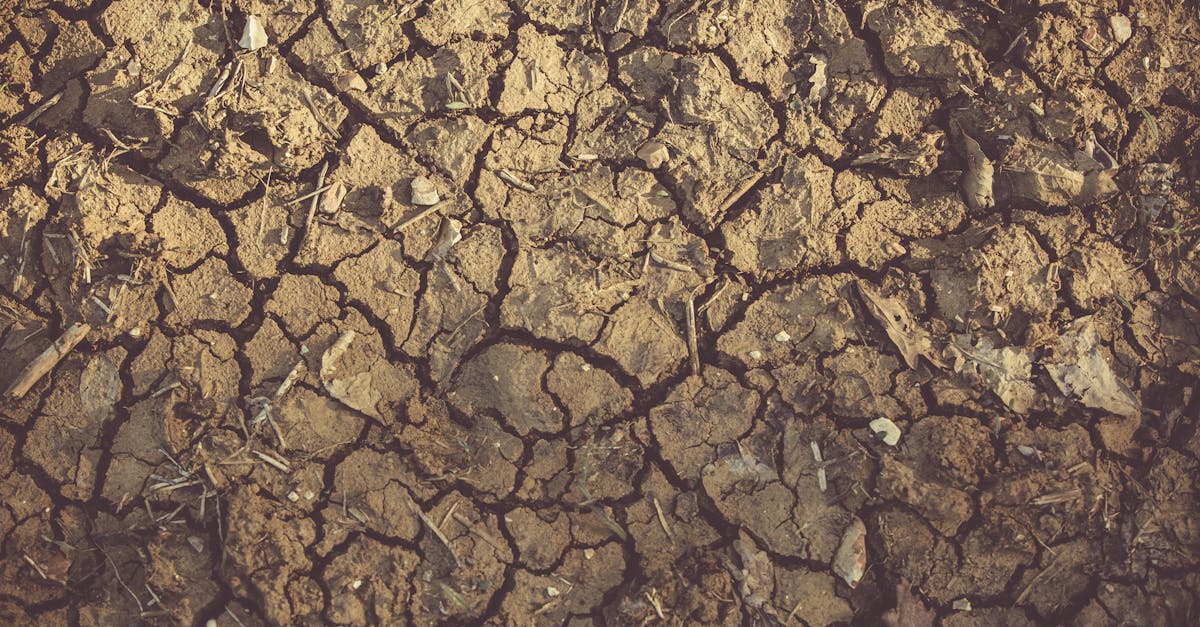
Photo by James Frid on Pexels
Drought Relief for North Carolina Farmers
The US government has designated 82 counties in North Carolina as natural disaster areas due to severe drought conditions across the state. This designation, made by the US Department of Agriculture (USDA) at the request of Governor Josh Stein, opens up emergency loan assistance and other disaster relief programs for farmers in these counties.
Which Counties are Affected?
While the specific list of counties was not immediately available, the latest US drought monitor update shows that the entire state of North Carolina is in some level of drought, with 95% of it in severe, extreme, or exceptional drought. The southeast region is also severely affected, with 97.3% of the area in some level of drought.
What Kind of Assistance is Available?
Farmers in the designated counties may be eligible for emergency loan assistance and other disaster relief programs. The USDA provides a tool to help farmers determine which options they may be eligible for. According to the USDA, disaster designations are made for disasters in which damaging weather conditions or other adverse natural occurrence phenomena have substantially affected farmers, causing severe production losses.
History of Drought in North Carolina
North Carolina has experienced droughts in the past, but the current situation is particularly severe. According to the US drought monitor, the state’s drought conditions have worsened over the past year, with many areas experiencing extreme to exceptional drought. The drought has significant implications for agriculture, water resources, and ecosystems. For instance, farmers in the state have reported reduced crop yields and decreased livestock production due to the drought. The drought has also impacted the state’s water supply, with many reservoirs and lakes experiencing low water levels.
Industry Context
The designation of 82 counties in North Carolina as natural disaster areas highlights the need for disaster risk reduction and climate action. The agriculture sector is particularly vulnerable to climate extremes, and integrating disaster risk reduction into agricultural planning is vital for protecting livelihoods and ensuring food security. The US agriculture industry is a significant contributor to the country’s economy, with North Carolina being a major producer of tobacco, soybeans, and corn. The drought has significant implications for the state’s agricultural production and the national food supply.
Downstream Implications
The drought has significant implications for farmers, rural communities, and the state’s economy. Farmers in the affected counties may experience reduced crop yields, decreased livestock production, and increased costs for irrigation and other inputs. The drought also affects rural communities, which rely heavily on agriculture for employment and economic growth. Furthermore, the drought has significant implications for the state’s water resources, with many reservoirs and lakes experiencing low water levels. The drought has also impacted the state’s ecosystems, with many areas experiencing increased risk of wildfires and decreased water quality.
Climate Change and Disaster Risk Reduction
The increasing frequency and intensity of climate-induced disasters have made disaster risk reduction and climate action two of the most urgent priorities of the twenty-first century. Integrating disaster risk reduction with climate action has emerged as a powerful approach to building safer communities and ensuring sustainable development for future generations. This includes strategies such as climate-resilient infrastructure, nature-based solutions, and inclusive planning frameworks. The US government has taken steps to address climate change, including investing in renewable energy, increasing energy efficiency, and promoting sustainable agriculture practices.
Call for Code: Developing Solutions for Natural Disasters
The Call for Code AI Global Challenge is a developer competition that seeks solutions for natural disasters. The platform, built in partnership with the Office of the United Nations High Commissioner for Human Rights, operates across 190+ countries and has led to the development of over 50,000 applications. The challenge aims to mobilize developers, enterprises, universities, and global institutions to build AI solutions designed for real-world deployment. The competition has led to the development of innovative solutions, such as AI-powered early warning systems for natural disasters and climate-resilient infrastructure.
What to Watch
As the drought continues to affect North Carolina and other parts of the country, it is essential to track the USDA’s disaster designations and the impact on local communities. The next US drought monitor update will likely provide more information on the current state of drought in the region. Farmers and residents can also access resources and tools provided by the USDA and other organizations to help mitigate the effects of the drought.
Updates
- 2026-08-25 — Claude Cowork finally remembers what you told the app in chat (source)
- 2026-08-05 — The AI Notetaker Has Been Invited to All the Meetings (source)
- 2026-07-27 — Razer’s analog Huntsman V3 Pro is over 20 percent off (source)
- 2026-07-26 — The reason why the MacBook Air doesn’t need a fan (source)
- 2026-05-28 — Amazon Thinks the Future of Data Centers Depends on a Technical Problem It Just Solved (source)
- 2026-05-15 — YouTube is expanding its AI deepfake detection tool to all adult users (source)
Related Articles
Sixty Percent of US Experiencing Drought
A look at the US drought crisis, energy shortages in California, and a deportation loophole; plus, a knowledge engine for tracking wealth and power.

Googlebook challenges Apple’s retail play as Mac Studio prices
Google’s $899 AI‑native laptop and Apple’s store‑first philosophy clash amid rising component costs and AI‑driven hardware bets.
Xiaomi MiMo 2.6, Grok 4.7, and a Wave of Mid‑Month Tech Setbacks
A roundup of Xiaomi's MiMo 2.6 launch, x.ai's Grok 4.7 update, NASA's Mars Sample Return cancellation, and other mid‑September tech headlines.