

Robotic Vision and Autonomy Push Past Lab Experiments

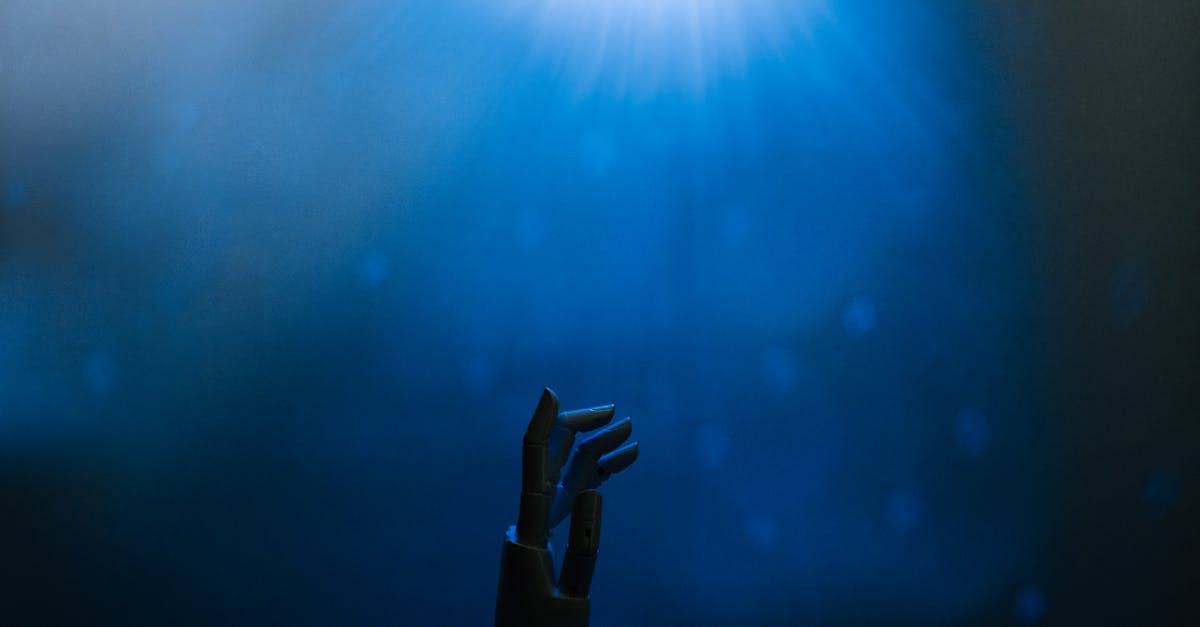
Photo by Tara Winstead on Pexels
Robotic hands, HDR cameras, and the quiet war for real-world autonomy
Genesis AI’s $105 million seed-funded GENE-26.5 model has moved beyond theoretical frameworks. The startup’s demo of robotic hands performing complex tasks—grasping fragile objects, manipulating tools—proves the model can handle physical interaction at scale. But the true test lies in the friction between lab precision and real-world chaos.
Foxglove, a visualization tool gaining traction in robotics circles, reveals why this matters. Its web-based interface cuts through the noise of multimodal data streams, letting teams debug autonomy systems in real time. A developer in Austin described Foxglove as ‘the shared nervous system for our AI brains’—a stark contrast to the fragmented tools that previously fragmented their workflow.
Robotic vision pushes past lab experiments
Genesis AI’s demo isn’t just about hand dexterity. The robotic hands operate in varied lighting conditions, a problem that plagues most autonomy systems. HDR cameras, which composite multiple exposures into a single frame, are the unsung heroes here. Unlike LiDAR, which Tesla and Ford have chosen to abandon for cost reasons, HDR avoids power-hungry hardware while extending visual range.
But HDR’s composite exposure method has limits. The same technique that captures detail in shadowed hydrangeas and sunlit grass introduces motion blur in fast-moving scenarios. This creates a paradox: HDR improves perception in static scenes but falters where real-world robots need it most—on fast-moving autonomous trucks or agile agricultural robots. Genesis AI’s team claims their model compensates for this by predicting motion vectors, but their demo footage doesn’t include high-speed testing.
HDR bridges the day-night divide
The battle between autonomy hardware and ambient light has been ongoing for years. Traditional CMOS cameras fail in bright sunlight or at night, forcing companies to layer in expensive LiDAR systems. HDR offers a middle ground—Tesla’s recent FSD update relies on camera-only perception, but their fleet data shows increased accident rates in twilight conditions.
Truevision’s HD map tool for CARLA simulations highlights this gap. The software’s polygonal area tools and super elevation features let developers test edge cases that real-world HDR cameras can’t yet handle. One robotics engineer noted that while Truevision’s free tier is useful, its premium features (like dynamic traffic light editing) remain essential for companies pushing beyond basic autonomy.
Foxglove streamlines the chaos
The biggest breakthrough isn’t in the hardware—it’s in the software glue. Foxglove’s ability to process time-series data from multiple sensors in real time has reduced debugging cycles by 40% for early adopters. The platform’s annotated data panels and live collaboration features appeal to distributed teams, but its true power lies in handling edge cases: the 2% of scenarios where HDR cameras fail and LiDAR misclassifies objects.
This matters because Aurora’s recent deal with McLane—a $1.2 billion logistics company—reveals the stakes. Aurora plans to deploy driverless trucks along Texas routes by 2026, but their success hinges on tools like Foxglove to manage the unpredictable. A leaked internal memo from a Foxglove user at Aurora calls the platform ‘the only thing keeping our fleet from catastrophic failure in edge cases.‘
Autonomy meets the real world
The convergence of better hardware and smarter software is accelerating, but the cracks remain visible. Genesis AI’s $105 million seed round dwarfs most robotics startups, yet its demo doesn’t include long-term reliability testing. Foxglove users report occasional data sync failures in multi-vehicle scenarios. And Aurora’s 2026 timeline depends on Texas regulators updating vehicle codes—a political fight no one is talking about.
What’s next: Watch for three things. First, Genesis AI’s public benchmarking of GENE-26.5 against industry standards like RTX Robotics. Second, Foxglove’s roadmap announcement—current users are demanding better support for LiDAR data streams. Third, Aurora’s first safety incident in Texas, which will force a reckoning over HDR camera limitations. The real test of autonomy isn’t in the demo—it’s in the next 12 months of operational data.
Updates
- 2026-06-02 — Microsoft Build 2026: All the news about Windows, AI, RTX Spark, and more (source)
- 2026-05-26 — iPadOS 26.6 beta 1 now available, plus watchOS 26.6, tvOS 26.6, more (source)
- 2026-05-13 — DeepMind details Googlebook ‘Magic Pointer’ with demos you can try, also coming to Gemini in Chrome (source)
- 2026-05-07 — Valve will open reservations on May 8 for the second wave of Steam Controllers (source)
Related Articles
Waymo leads Texas AV registrations; startups face lawsuits
Waymo dominates Texas autonomous vehicle registrations while a San Francisco startup battles a lawsuit over Airbnb robot testing, and new visualization and sensor tools reshape robotics.
Ouster Unveils Color Lidar to Replace Cameras
Ouster's new color lidar sensor captures depth and image data, potentially replacing cameras in various applications.
GPT-6 drives robot arms as AI weapons warnings grow
OpenAI's GPT-6 Astra can control robot arms, sparking debate over hype, safety and the looming threat of autonomous weapons.