

Tesla's $25B Bet

Introduction
Tesla has increased its planned capital expenditure to $25B for 2026, three times its historical spending. The move is expected to result in a negative free cash flow for the year, according to the company’s CFO.
The Spending Plan
The increased spending plan is a significant departure from Tesla’s historical spending patterns. The company has traditionally been conservative in its investments, focusing on organic growth and efficiency. However, with the new plan, Tesla is taking a more aggressive approach, investing in areas such as robotics, AI, and its own chip fabrication.
Context and History
Tesla’s history is marked by periods of rapid growth and innovation. The company has consistently pushed the boundaries of electric vehicle technology, introducing new models and features that have disrupted the traditional automotive industry. However, the company has also faced challenges, including production delays, quality control issues, and increased competition from established automakers.
The Competitive Landscape
The electric vehicle market is becoming increasingly crowded, with new entrants and established players competing for market share. Tesla’s increased spending plan is likely a response to this changing landscape, as the company seeks to maintain its position as a leader in the industry. However, the move also raises questions about the company’s ability to generate returns on its investments, particularly given the expected negative free cash flow for the year.
Technical Mechanics
Tesla’s investments in areas such as robotics and AI are likely driven by the company’s desire to improve manufacturing efficiency and reduce costs. The company has already made significant progress in these areas, introducing automation and machine learning techniques to its production lines. However, the new spending plan suggests that Tesla is looking to accelerate these efforts, potentially through the development of new technologies or the acquisition of existing companies.
Regulatory Implications
The increased spending plan may also have regulatory implications, particularly in areas such as environmental sustainability and consumer protection. Tesla’s investments in electric vehicle technology and renewable energy are likely to be viewed positively by regulators, who are increasingly focused on reducing greenhouse gas emissions and promoting sustainable development. However, the company’s aggressive spending plan may also raise concerns about its financial stability and ability to comply with regulatory requirements.
What to Watch
As Tesla moves forward with its increased spending plan, there are several key areas to watch. The company’s ability to generate returns on its investments will be critical, particularly given the expected negative free cash flow for the year. Additionally, the competitive landscape will continue to evolve, with new entrants and established players competing for market share. Finally, regulatory developments will be important, particularly in areas such as environmental sustainability and consumer protection.
Conclusion
Tesla’s increased spending plan is a significant development for the company and the electric vehicle industry as a whole. While the move raises questions about the company’s ability to generate returns on its investments, it also reflects Tesla’s commitment to innovation and growth. As the company moves forward, it will be important to watch key areas such as competitive dynamics, regulatory developments, and financial performance.
Forward-Looking Statements
The future of the electric vehicle industry is uncertain, and Tesla’s increased spending plan is just one factor that will shape the landscape. As the company continues to invest in new technologies and manufacturing capabilities, it will be important to consider the potential risks and opportunities associated with these developments. One key area to watch is the development of new battery technologies, which could significantly impact the cost and efficiency of electric vehicles. Additionally, the growth of autonomous driving technologies will be important, as companies such as Tesla and Waymo continue to invest in these areas.
Market Implications
The increased spending plan may have significant implications for the broader market, particularly in areas such as technology and automotive. The company’s investments in areas such as robotics and AI may drive growth and innovation in these sectors, potentially leading to new opportunities for investors and entrepreneurs. However, the move may also raise concerns about the company’s financial stability and ability to comply with regulatory requirements, potentially impacting investor sentiment and market valuations.
Final Thoughts
In conclusion, Tesla’s increased spending plan is a significant development for the company and the electric vehicle industry as a whole. While the move raises questions about the company’s ability to generate returns on its investments, it also reflects Tesla’s commitment to innovation and growth. As the company moves forward, it will be important to watch key areas such as competitive dynamics, regulatory developments, and financial performance. The future of the electric vehicle industry is uncertain, but one thing is clear: Tesla is committed to playing a leading role in shaping the landscape of the industry.
What’s Next
As Tesla continues to invest in new technologies and manufacturing capabilities, the company will be closely watched by investors, regulators, and industry observers. The development of new battery technologies, the growth of autonomous driving technologies, and the expansion of the electric vehicle market will all be important areas to watch. Additionally, the company’s ability to generate returns on its investments will be critical, particularly given the expected negative free cash flow for the year. As the electric vehicle industry continues to evolve, Tesla’s increased spending plan will be an important factor in shaping the landscape of the industry.
Key Takeaways
- Tesla has increased its planned capital expenditure to $25B for 2026
- The move is expected to result in a negative free cash flow for the year
- The company is investing in areas such as robotics, AI, and its own chip fabrication
- The electric vehicle market is becoming increasingly crowded, with new entrants and established players competing for market share
- Tesla’s investments in electric vehicle technology and renewable energy are likely to be viewed positively by regulators
- The company’s ability to generate returns on its investments will be critical, particularly given the expected negative free cash flow for the year
- Regulatory developments will be important, particularly in areas such as environmental sustainability and consumer protection
- The development of new battery technologies and the growth of autonomous driving technologies will be important areas to watch
- The expansion of the electric vehicle market will be driven by factors such as government policies, consumer demand, and technological innovation
Updates
- 2026-09-13 — Your car is selling your data (source)
- 2026-09-03 — You can watch the coolant flow inside Ugreen’s liquid-cooled power bank (source)
- 2026-09-03 — DJI’s new robovac can climb obstacles, vacuum quietly, and claims much improved privacy (source)
- 2026-08-27 — The best displays to pair with your new Mac mini or Mac Studio (source)
- 2026-08-13 — Live from New York, it’s another awkward Pixel keynote (source)
- 2026-08-11 — Threads has a VR app now (source)
- 2026-05-15 — OpenAI now wants ChatGPT to access your bank accounts (source)
- 2026-05-14 — Razer updates the Blade 18 with new chips, a specced-out model costs $7,000 (source)
- 2026-05-12 — George Clooney, Tom Hanks, and Meryl Streep back new ‘Human Consent Standard’ for AI licensing (source)
- 2026-04-30 — Salesforce is crowdsourcing its AI roadmap — with customers (source)
- 2026-04-28 — DJI’s new Mic Mini 2 adds colorful covers to help them blend in (source)
- 2026-04-27 — “Super ZSNES” is a stab at a modern SNES emulator from the original developers (source)
- 2026-04-27 — Spotify is partnering with Peloton for guided workouts (source)
Related Articles
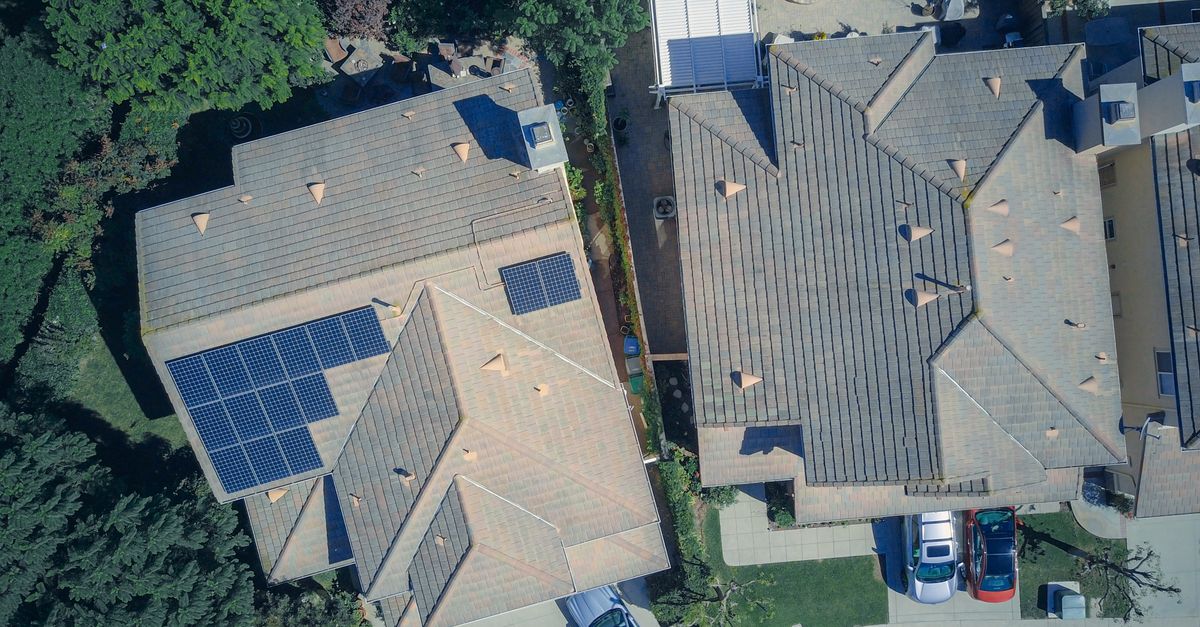
Tesla pulls Solar Roof, leaving installers with six‑figure hits
Tesla’s sudden Solar Roof exit saddles installers with six‑figure losses and raises questions about the product’s real‑world performance and strategy.

Headphone Deals, Tesla Trademark, and Audiophile Wins
Nothing headphones drop to $100, Tesla files a trademark for audio gear, and community‑driven Fostex and Grado models prove value still matters.

Tesla's China recall avalanche exposes systemic safety gaps
Tesla faces three massive recalls in China, covering over 4 million cars, as regulators clamp down on safety flaws from door handles to suspension and cruise control.