

California Court Rejects Tesla Bid to Dismiss Discrimination Suit

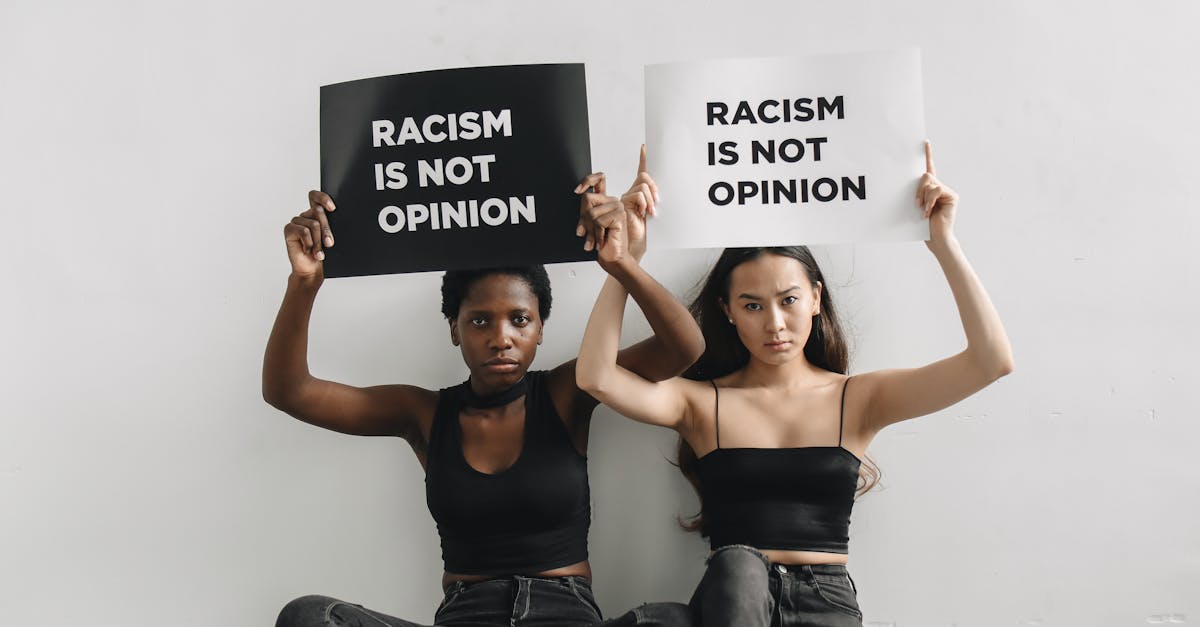
Photo by Polina Tankilevitch on Pexels
Court denies Tesla’s motion to throw out suit
The California Department of Fair Employment and Housing secured a ruling that keeps a racial discrimination case against Tesla active. The agency said the decision clears the way for a trial scheduled for July.
The court’s order follows Tesla’s attempt to dismiss the complaint filed by fifteen factory workers in Alameda County Superior Court. The agency highlighted that the plaintiffs’ allegations meet the statutory threshold for proceeding to trial. No further details about the judge’s reasoning were released in the filing.
Plaintiffs describe daily racial harassment
The lawsuit lists nine men and six women who worked at Tesla’s Fremont and Foster City plants. About half of the group left the company, either through termination or resignation, while the remainder remain employed.
According to the complaint, employees endured slurs such as variations of the n‑word, “Boy,” and antiquated terms like “Blackies” and “Darkies.” The filing notes graffiti bearing the n‑word, “KKK,” and swastikas on restroom walls, lockers, and breakroom tables that lingered for months without removal.
The plaintiffs allege that supervisors, managers, and Human Resources staff participated in or ignored the abuse. One former worker, Nathaniel Aziel Gonsalves, says an April 2021 incident at CEO Elon Musk’s home precipitated his firing the same day. The complaint also claims Black workers were denied promotions and assigned to the most physically demanding tasks, while less‑qualified non‑minority staff received technical assignments.
The suit cites violations of California labor law and the Unruh Civil Rights Act, seeking monetary damages for racial discrimination, retaliation, emotional distress, and wrongful termination.
Parallel harassment claims broaden the controversy
A separate filing in a different California court alleges anti‑LGBT harassment at the Fremont plant. The plaintiff, Jorge Ferro, says a supervisor mocked his clothing as “gay tight,” threatened violence, and later reported the abuse to a manager. After a second complaint, HR allegedly removed Ferro’s badge, labeling him “handicapped” and unfit for work.
Ferro’s attorney, Chris Dolan, describes the pattern as “blame the victim.” The complaint asserts that Tesla failed to intervene and ultimately terminated Ferro in retaliation. Tesla’s public response, quoted in media coverage, claims the company has “the best track record” on discrimination, a statement the agency rejected as unsubstantiated.
These filings arrive amid a wave of discrimination lawsuits targeting Silicon Valley firms. Uber’s 2022 sexual‑harassment scandal prompted dozens of complaints, and Tesla has faced prior accusations of gender‑based bias and underpayment of women engineers.
Regulatory backdrop and Tesla’s labor history
California’s civil rights agency has pursued multiple actions against large employers for systemic bias. Under the Unruh Civil Rights Act, businesses that serve the public must provide equal access regardless of race, gender, or sexual orientation. The agency’s victory here signals a willingness to enforce the statute aggressively, especially when internal complaints appear ignored.
Tesla’s labor record includes several high‑profile disputes. In 2021, the National Labor Relations Board reported alleged violations of workers’ rights to organize at the Fremont plant. The same year, a separate class‑action suit alleged wage‑theft for overtime hours. While the company settled some cases, it has repeatedly contested others, arguing that contractors, not Tesla, bear responsibility for workplace conduct.
The current lawsuits challenge that contractor defense. Plaintiffs name individual supervisors and HR personnel as defendants, suggesting that the alleged conduct was integral to Tesla’s operational procedures rather than isolated contractor actions.
Industry implications and next steps
If the July trial proceeds, it could set a precedent for how California courts assess employer liability for systemic harassment. A finding that Tesla’s “standard operating procedures” include discriminatory practices would pressure other automakers and tech manufacturers to audit internal reporting mechanisms.
Investors and suppliers watch labor risk closely. A protracted trial may affect Tesla’s production timelines, especially if the court orders injunctive relief that alters staffing or training protocols. The outcome may also influence California’s future enforcement priorities, potentially prompting the agency to target similar complaints at other high‑growth firms.
What to watch
The July trial date marks the first major courtroom test of the California agency’s claim that Tesla’s internal processes enable racial discrimination. Track the court docket for motions on evidence admissibility, particularly any attempts by Tesla to introduce contractor‑status arguments. Monitor statements from the Department of Fair Employment and Housing for updates on enforcement actions against other manufacturers. The verdict, expected later in the year, will likely shape litigation strategies for both plaintiffs and large employers across the state.
Updates
- 2026-08-25 — Trump is upping the price of Big Tech’s favorite visa (source)
- 2026-08-25 — The Supreme Court’s Mail-In Ballot Ruling Is a Step Toward Chaos in the Midterms (source)
- 2026-08-21 — The Patrick Clancy Conspiracy Theories Are Rooted in the Harsh Realities of Motherhood (source)
- 2026-08-05 — The world’s smallest USB drive has more storage than an iPhone 17 (source)
Related Articles
Microsoft Bans School Data for AI as Labor Pushes Back on Tech
Microsoft agreed not to use teacher‑union data for AI training, while unions, model releases, and autonomous‑car safety signal a new friction point for the industry.
Tesla pulls Solar Roof, leaving installers with six‑figure hits
Tesla’s sudden Solar Roof exit saddles installers with six‑figure losses and raises questions about the product’s real‑world performance and strategy.
California exempts Linux from age‑verification law
California lawmakers unanimously exempt GPL, MIT, BSD and Apache licensed software from the state's new age‑verification requirement.