

Framework refreshes Laptop 16 with RTX 5070 module and Ryzen AI

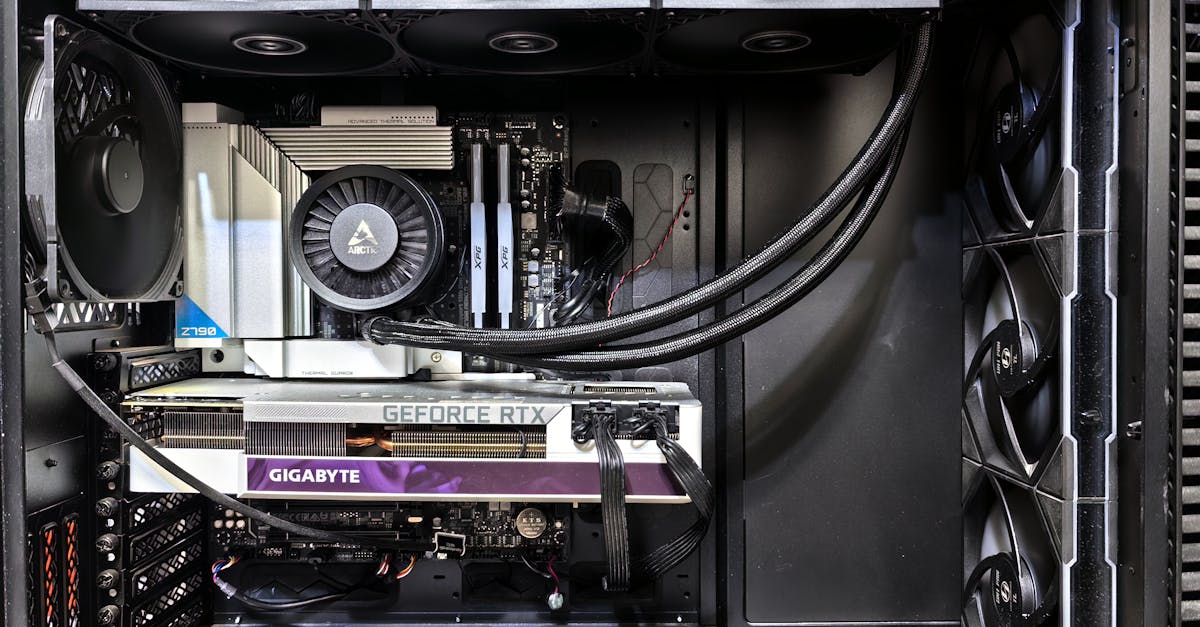
Photo by Andrey Matveev on Pexels
New silicon and graphics in the 16‑inch chassis
Framework announced a refreshed Laptop 16 that swaps the original Ryzen 7 7840HS for a family of Ryzen AI processors. The entry tier uses the Ryzen AI 340 chip, a move the company says will trim the base price. The top tier retains a Ryzen 9 7940HS, but Framework warned that model will disappear once inventory runs out. Both CPUs sit behind a new graphics module that houses Nvidia’s mobile GeForce RTX 5070. The module carries an 8 GB GDDR7 stack on a 128‑bit bus, shares the GB206 die with the desktop RTX 5060 Ti, and promises a 30‑40 % uplift over the previous Radeon RX 7700S. Nvidia‑specific features such as DLSS, CUDA and ray‑tracing are now available, although the 8 GB memory ceiling may limit some workloads. The refresh also upgrades the power delivery system. A 240 W brick replaces the earlier 180 W unit to accommodate the RTX 5070’s higher draw. The chassis itself remains unchanged: a 16‑inch matte IPS panel at 2560 × 1600 resolution, 165 Hz refresh, and a second‑generation backlight that now advertises both G‑Sync and FreeSync support. The original display only listed FreeSync, so the new panel expands the adaptive‑sync options for gamers and creators. Pricing opens at $1,499 for the DIY edition – a $100 bump from the first Laptop 16 launch. That price excludes RAM, storage, an operating system and any Expansion Cards. The lower‑end Ryzen AI 340 configuration is expected to sit below that figure, though Framework has not released a concrete number. Pre‑orders began the same day as the announcement, and the first shipments are slated for November.
How the refresh fits the modular market
Framework’s business model hinges on user‑replaceable parts. The RTX 5070 module follows that philosophy: it slots into the same expansion bay used for the original Radeon GPU, and it adds a USB‑C port that can carry display and power simultaneously. In practice that frees an expansion slot for a different peripheral, such as a second SSD or a custom I/O board. The module’s heatsink and fan have been redesigned to manage the extra thermal load, a detail that matters to the company’s core audience of DIY enthusiasts. The lower‑end Ryzen AI 340 CPU option, mentioned by Ars Technica, is a clear attempt to broaden the price ladder. By offering a cheaper CPU, Framework can attract buyers who were previously deterred by the $1,299 starting price of the older Ryzen 7 7840HS model. That older configuration remains on sale at $1,299 for the DIY edition, providing a fallback for customers who prefer the proven Radeon GPU and a larger battery budget. From a competitive standpoint, the Laptop 16 now sits alongside other modular or upgradable laptops that still rely on soldered graphics. The RTX 5070’s mobile‑grade performance is comparable to a desktop RTX 5060 Ti, which is a modest but real step up from the integrated Radeon solutions found in most thin‑and‑light laptops. The trade‑off is the 8 GB VRAM limit, which places the machine behind higher‑end mobile GPUs that ship 12 GB or more. For developers who need CUDA acceleration, the new module is a welcome addition; for hardcore gamers, the memory ceiling may be a deal‑breaker.
Production bottlenecks and the heatsink saga
Framework’s update schedule has been punctuated by a series of public engineering logs. The most recent hurdle was a CPU heatsink that failed to meet the company’s yield targets. Cooler Master, the heatsink supplier, spent two weeks overhauling its manufacturing line and building new test fixtures. The first batch of validated heatsinks arrived at Framework’s factory the week of January 22, and the company aimed to ship the first Batch 1 units before the end of that month. A subsequent update confirmed that the final heatsink units cleared customs in Taiwan and entered the production line in early February. The Lunar New Year holiday forced a factory shutdown from February 8‑14, prompting Framework to accelerate assembly ahead of the break. Batch 1 customers received a “pre‑shipment” email in late January, and the company pledged to keep the email cadence flexible now that mass production is underway. Press review units that arrived earlier this year displayed a handful of minor issues – firmware quirks, thermal throttling spikes, and a slightly uneven panel finish. Framework said those defects have been corrected in the customer‑facing units. The company also listed a few lingering items that are not halting production, indicating a pragmatic approach to risk management. The overall timeline suggests that, barring new setbacks, all pre‑orders placed to date should be fulfilled in the first half of the year, with the company citing a June end target on Twitter.
Upgrade path and firmware questions
The new display panel’s dual‑sync capability raises a technical question: can existing Laptop 16 owners retrofit G‑Sync through a firmware update? Framework’s engineering notes acknowledge the possibility but admit they have not yet solved it. The company’s public stance is that end‑user firmware updates are “something we are actively investigating,” leaving the door open for a future patch. Beyond the screen, the graphics module’s added USB‑C port is a subtle but useful change. Users can now run a monitor and charge the laptop over a single cable, potentially freeing an expansion slot for a secondary SSD or a custom I/O board. The module’s redesign also improves airflow, which should translate into higher sustained GPU clocks under load. However, the 240 W power brick introduces a larger power envelope that may affect battery life in portable scenarios – a trade‑off that power‑hungry creators will need to weigh. Framework’s modular ethos also means that the RTX 5070 module is backward compatible with the original Laptop 16 chassis. Existing owners can purchase the module as an upgrade, preserving their investment in the frame, keyboard and battery. The company has not disclosed pricing for the upgrade path, but the DIY‑first pricing model suggests the module will be sold as a separate component rather than bundled.
What to watch next
The immediate horizon includes the November ship date for the first retail units and the expected June fulfillment deadline for all pre‑orders. Observers should track whether the G‑Sync firmware lands in a future update, as that could retroactively enhance the value of earlier displays. A second indicator will be the market response to the lower‑end Ryzen AI 340 configuration – if it drives enough volume, Framework may expand that tier into a permanent offering. Another variable is the relationship with Nvidia. Framework has secured a mobile RTX 5070 module, but the company’s public comments on Nvidia’s support are mixed. Continued driver stability and CUDA compatibility will be essential for the laptop’s professional user base. Finally, the production line’s ability to stay ahead of the Lunar New Year shutdown and avoid further heatsink‑related delays will determine whether the H1 shipping target holds. Any deviation will likely surface in the next batch‑status email, which the community watches closely.
Updates
- 2026-09-01 — Apple Maps follows Google in renaming Lake Ontario (source)
- 2026-08-07 — What’s behind the Google AI shakeup (source)
- 2026-05-27 — Roids were all the rage at the Enhanced Games (source)
- 2026-05-27 — Here’s how Google is responding to Fitbit users who don’t like the new Health app (source)
- 2026-05-22 — SpaceX files to go public, and the math requires a little faith (source)
- 2026-05-20 — ‘Perfect Storm’: How Trump’s Aid Cuts Are Fueling the Ebola Outbreak (source)
- 2026-05-09 — The React2Shell Story (source)
- 2026-05-07 — The future of Disney Plus is a confused mess (source)
- 2026-05-07 — Five architects of the AI economy explain where the wheels are coming off (source)
- 2026-05-05 — The Italian Dubbing of ‘The Devil Wears Prada 2’ Has Stirred Up a Surprising Controversy (source)
- 2026-05-05 — OpenAI’s president does ‘all the things,’ except answer a question (source)
- 2026-05-04 — MagSafe Monday: The ESR Geo Wallet Boost is the ultimate Find My accessory (source)
- 2026-05-03 — Ask.com has shut down, marking the official farewell to the Internet’s favorite butler (source)
- 2026-04-29 — Electric air taxis are finally taking flight — just not with passengers (source)
- 2026-04-28 — The resurrected Commodore 64 is getting a facelift like the original (source)
- 2026-04-28 — You can get dragged into a police investigation by proximity alone — for now (source)
- 2026-04-26 — Trump turns the WHCD shooting into a pitch for the White House ballroom (source)
- 2026-04-24 — How Project Maven taught the military to love AI (source)
- 2026-04-23 — Netflix can’t seem to follow up its biggest shows (source)
Related Articles

Googlebook challenges Apple’s retail play as Mac Studio prices
Google’s $899 AI‑native laptop and Apple’s store‑first philosophy clash amid rising component costs and AI‑driven hardware bets.
Xiaomi MiMo 2.6, Grok 4.7, and a Wave of Mid‑Month Tech Setbacks
A roundup of Xiaomi's MiMo 2.6 launch, x.ai's Grok 4.7 update, NASA's Mars Sample Return cancellation, and other mid‑September tech headlines.
New hardware quirks ring note‑taker AI feeder retro upgrades
A ring‑sized note taker, AI‑driven cat feeder, free retro‑handheld upgrades, E Ink tablets, and Android UI tweaks illustrate niche hardware shifts.