

The Subtle Art of Imperfection: McDonald's Japan's Asymmetric

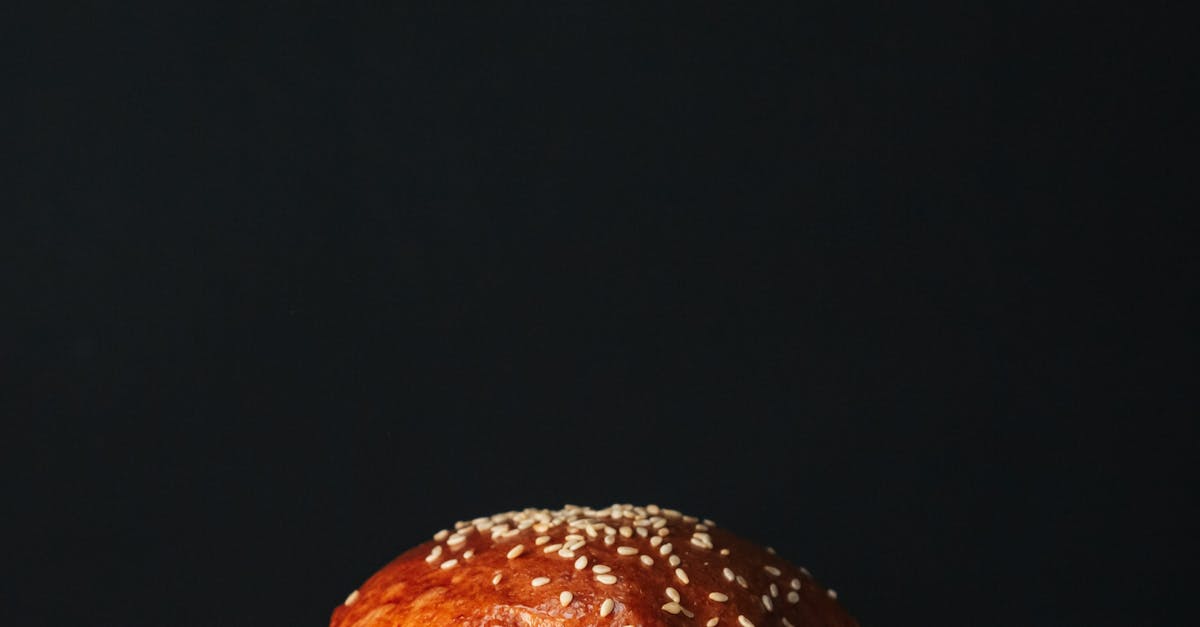
In an era saturated with hyper-stylized, perfectly rendered product shots, a curious observation from McDonald’s Japan’s online menu has sparked considerable discussion: every burger featured boasts a bun that is just ever-so-slightly askew. This isn’t an accident; it’s a deliberate, nuanced departure from the meticulously crafted perfection typically seen in food advertising, signaling a sophisticated shift in how brands aim to connect with consumers.
The initial discovery, widely shared and debated on platforms like Hacker News, highlights a profound understanding of modern consumer psychology. For decades, food photography aimed for an unattainable ideal – every sesame seed perfectly placed, every sauce drizzle impossibly neat. While visually appealing, this approach often fostered a subconscious distrust, a gap between the advertised dream and the delivered reality of a quickly assembled fast-food item. McDonald’s Japan seems to be flipping that script.
By embracing a minor, almost imperceptible imperfection, the brand subtly communicates authenticity. An askew bun suggests a burger that’s just been put together, a little messy, a little real – much like one might actually receive. This clever imperfection can foster a sense of relatability and honesty, making the product feel more approachable and less like a sterile, digitally enhanced fantasy. It’s a wink to the customer, acknowledging the true nature of fast food without sacrificing appetite appeal.
This strategy is particularly intriguing given Japan’s cultural appreciation for aesthetic imperfection, often embodied by concepts like wabi-sabi, which finds beauty in transience and incompleteness. While perhaps not a direct application, the principle resonates: there’s charm in something that isn’t flawlessly machine-made. For a global brand, this localized marketing brilliance speaks volumes about understanding regional sensibilities while pioneering new pathways in digital advertising.
Ultimately, McDonald’s Japan’s askew bun isn’t just a quirk; it’s a testament to the evolving landscape of brand communication. It demonstrates that in a world increasingly skeptical of polished facades, a touch of carefully curated ‘realness’ can be far more powerful than perfection. It’s a masterclass in subtle branding, proving that sometimes, the most impactful statements are made with the slightest tilt.
Updates
- 2026-09-10 — Bending Spoons to buy collaboration tools maker Miro for $1.36B, 90% less than its 2022 valuation (source)
- 2026-09-02 — M6 MacBook Pro: Three new upgrades launching this fall (source)
- 2026-05-15 — OpenAI just released new personal finance features for ChatGPT customers (source)
- 2026-05-08 — Live only at TechCrunch Disrupt 2026: Why most founders are already behind on raising a Series A in 2027 (source)
- 2026-04-25 — Apps to distract you from the endless cycle of doomscrolling (source)
- 2026-04-23 — BMW bumps the 7 Series for 2027, adds all-new battery (source)
Related Articles

Deep Discounts Hit Tempo, HBO Max, Norton, Lenovo
WIRED finds steep discounts on meals, streaming, security, and hardware, changing how consumers budget essentials.

Googlebook challenges Apple’s retail play as Mac Studio prices
Google’s $899 AI‑native laptop and Apple’s store‑first philosophy clash amid rising component costs and AI‑driven hardware bets.
Xiaomi MiMo 2.6, Grok 4.7, and a Wave of Mid‑Month Tech Setbacks
A roundup of Xiaomi's MiMo 2.6 launch, x.ai's Grok 4.7 update, NASA's Mars Sample Return cancellation, and other mid‑September tech headlines.